






_trans_2500x2500.png)




















.jpg)

.jpg)







Closing the gap with QAQC
Background
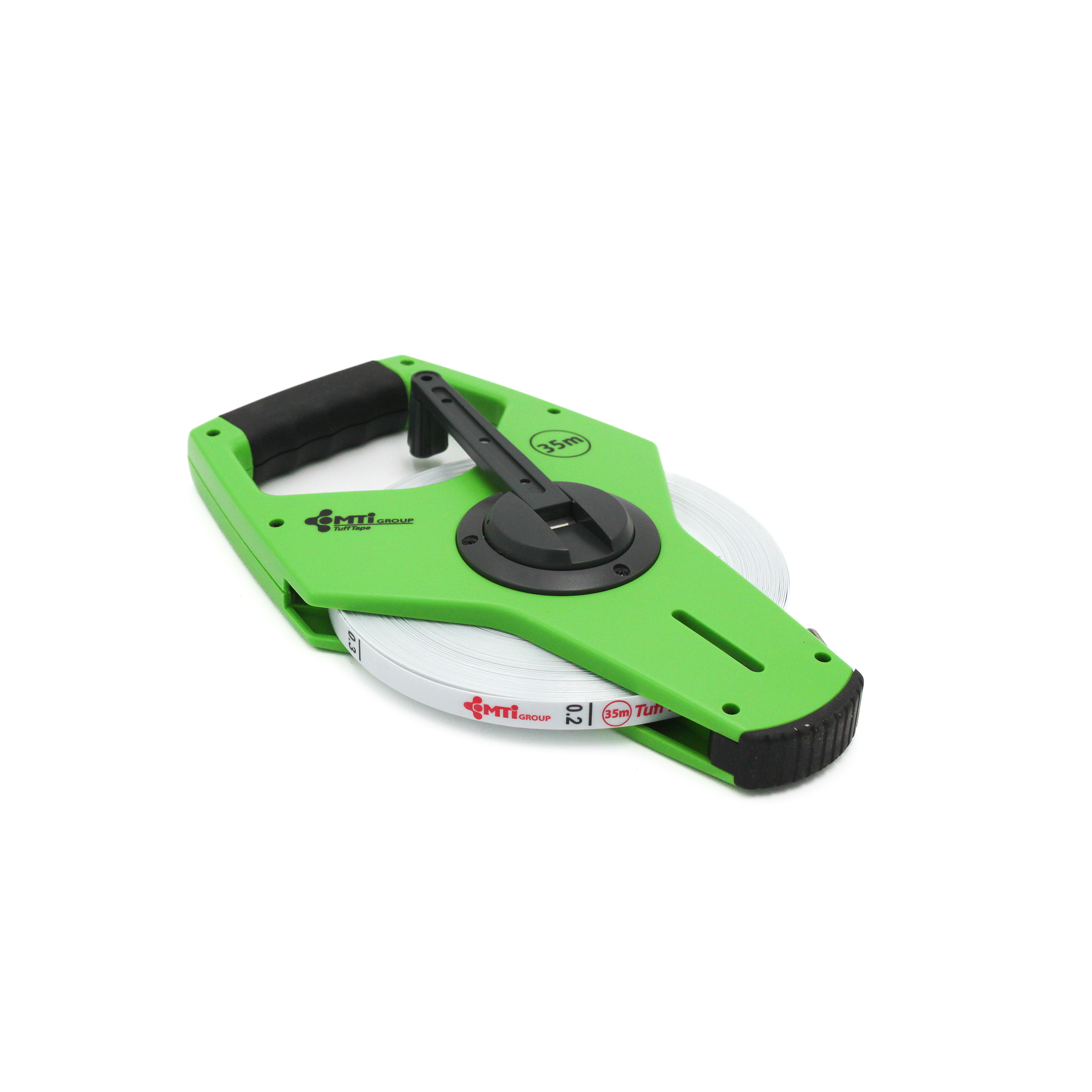
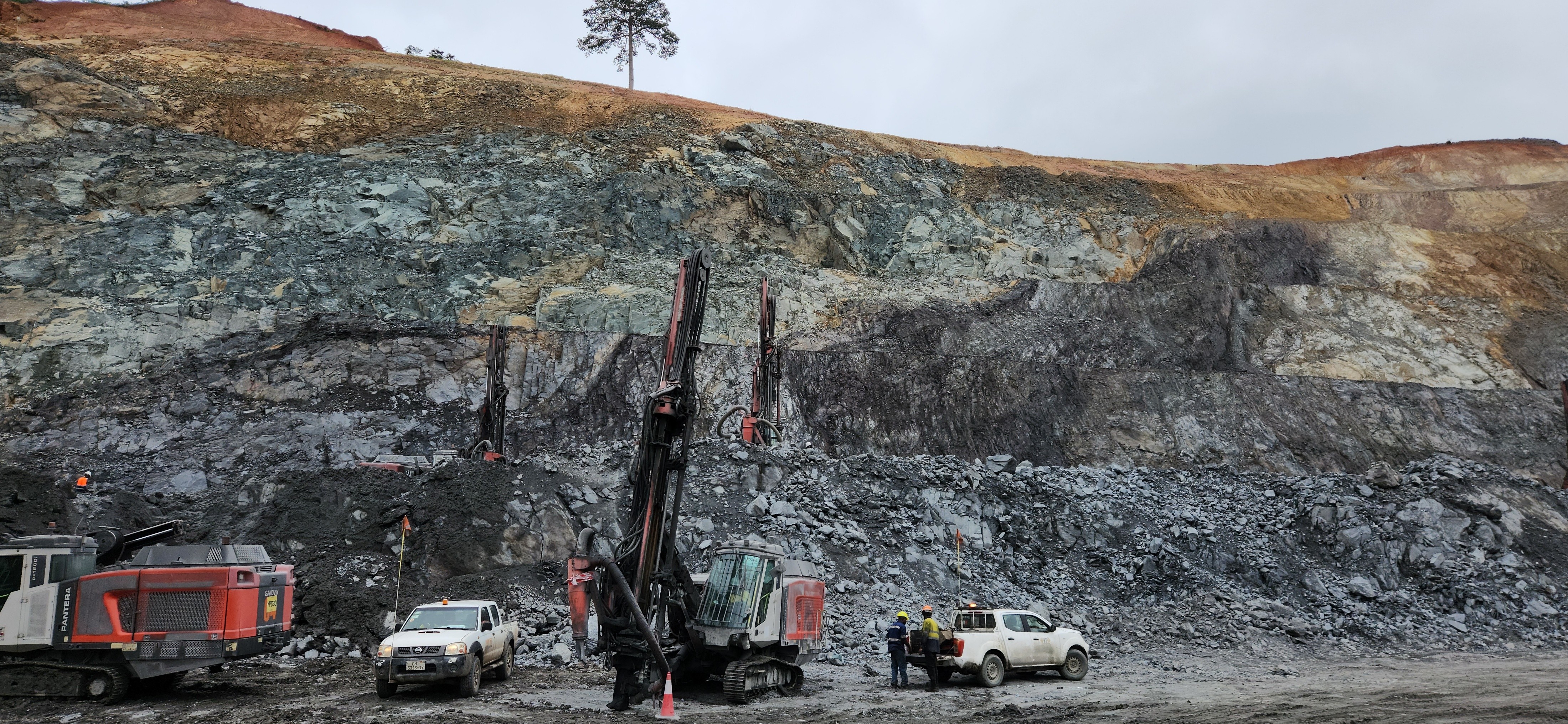
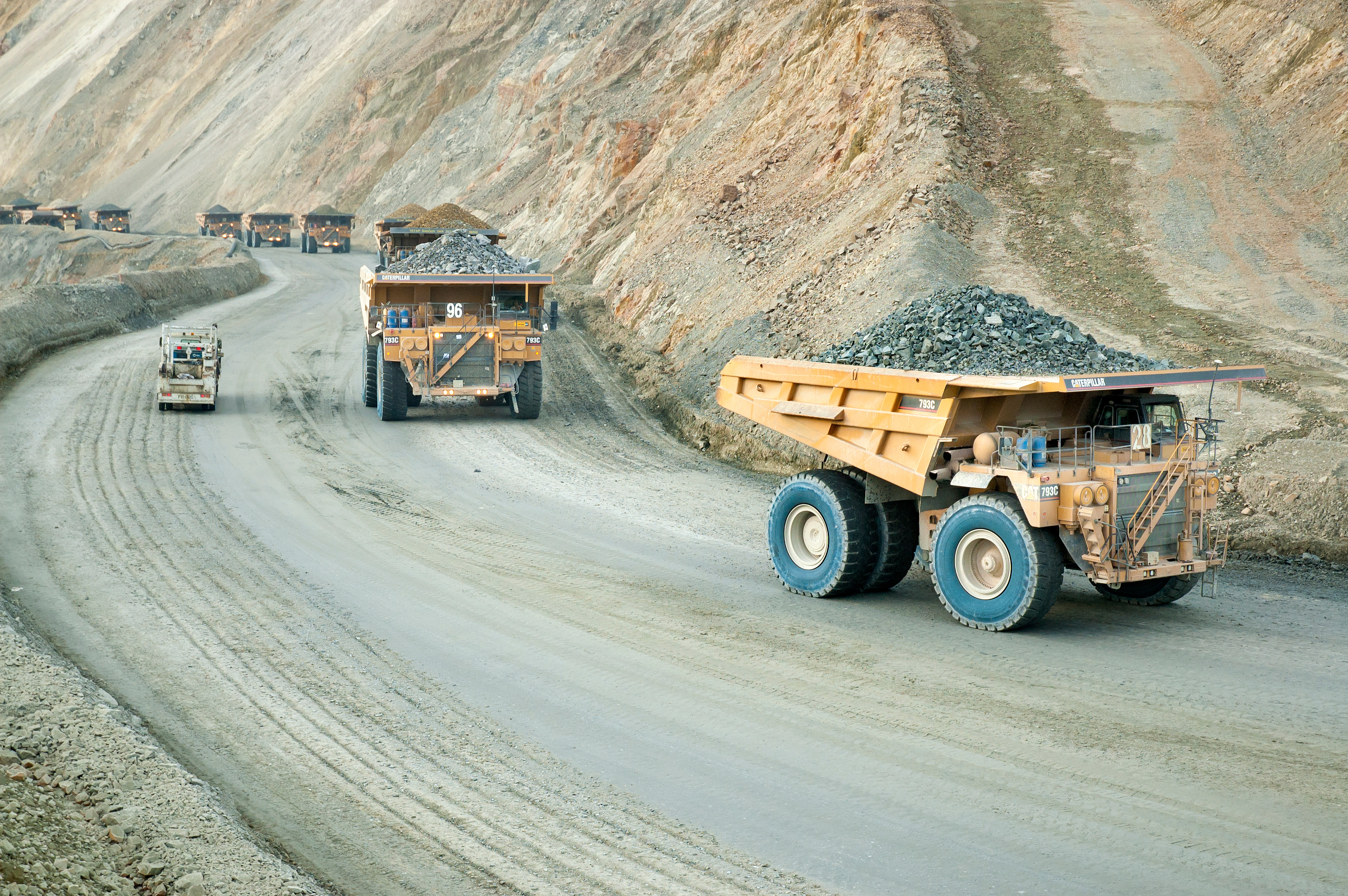
QAQC is the foundation of effective blast design. Without accurate hole data, blast plans become guesswork, leading to poor fragmentation, safety concerns, environmental impact, and wasted resources. Mining operations globally have historically relied on traditional QAQC practices for their drill and blast processes. The most common method involves personnel manually measuring blasthole depths using a tape measure and recording data on paper or tablets. While widely used, these methods present safety risks and often yield inaccurate, inconsistent and hard to use data, forming the base for the blast plans.
The Challenge
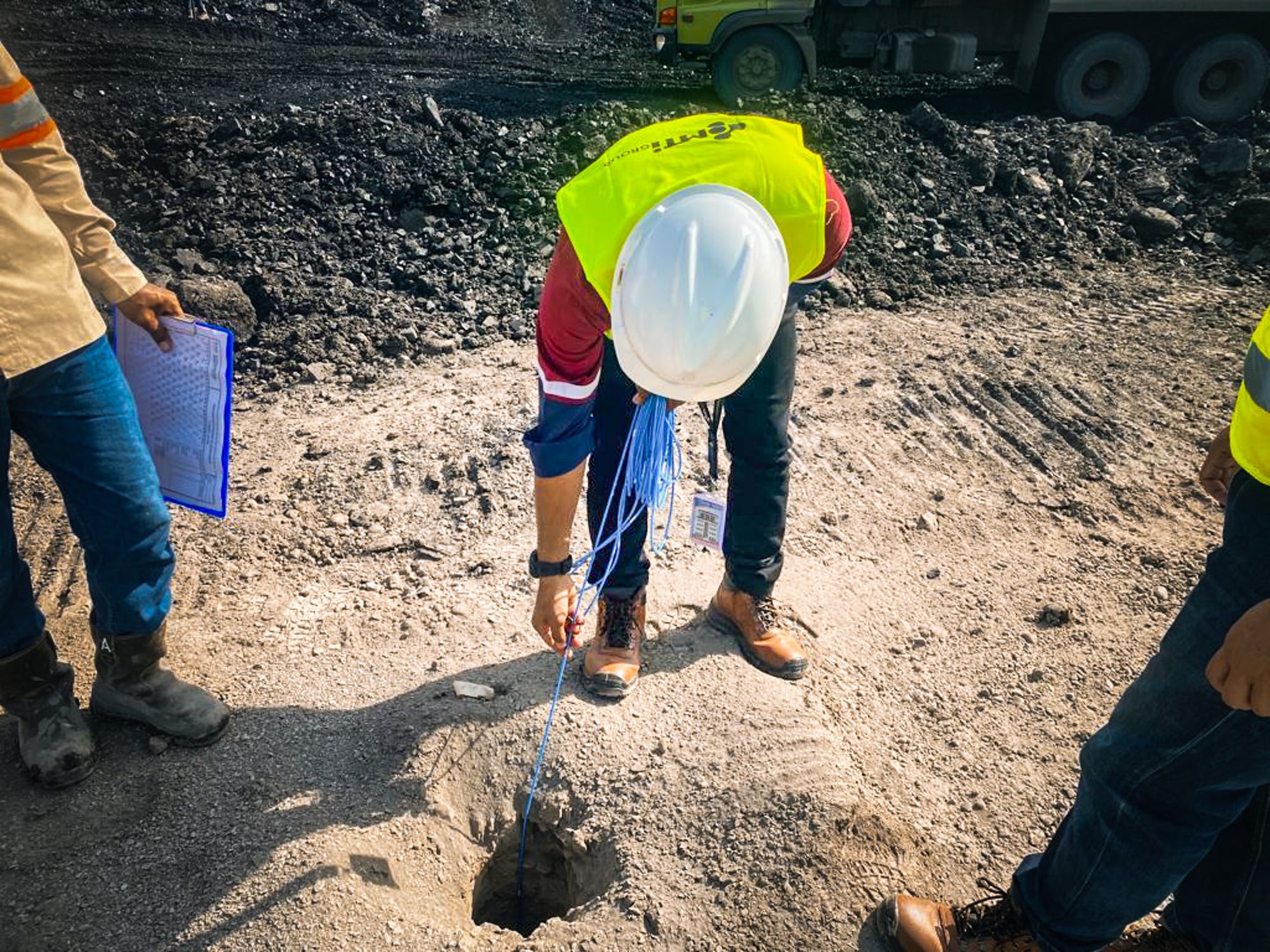
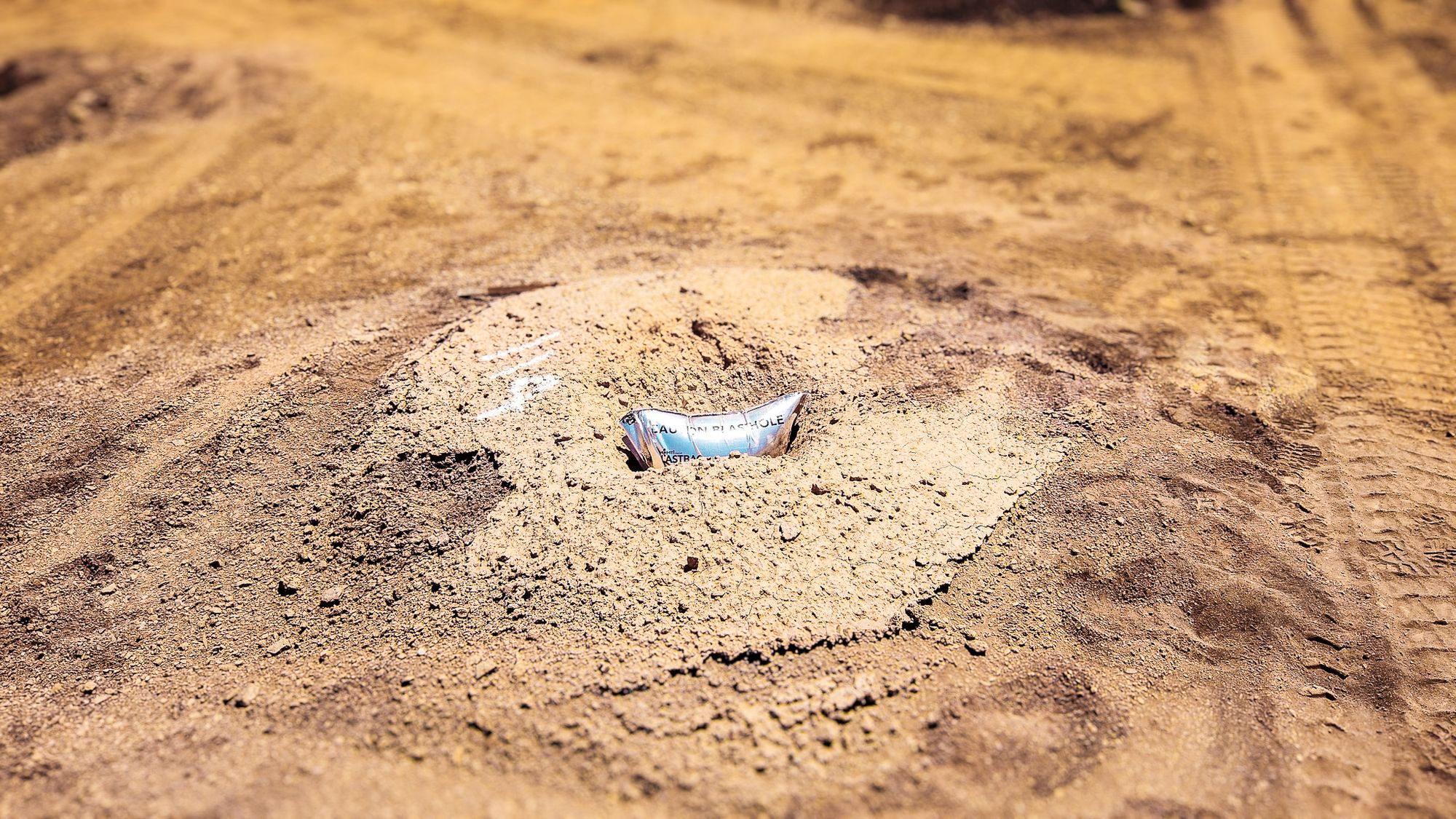
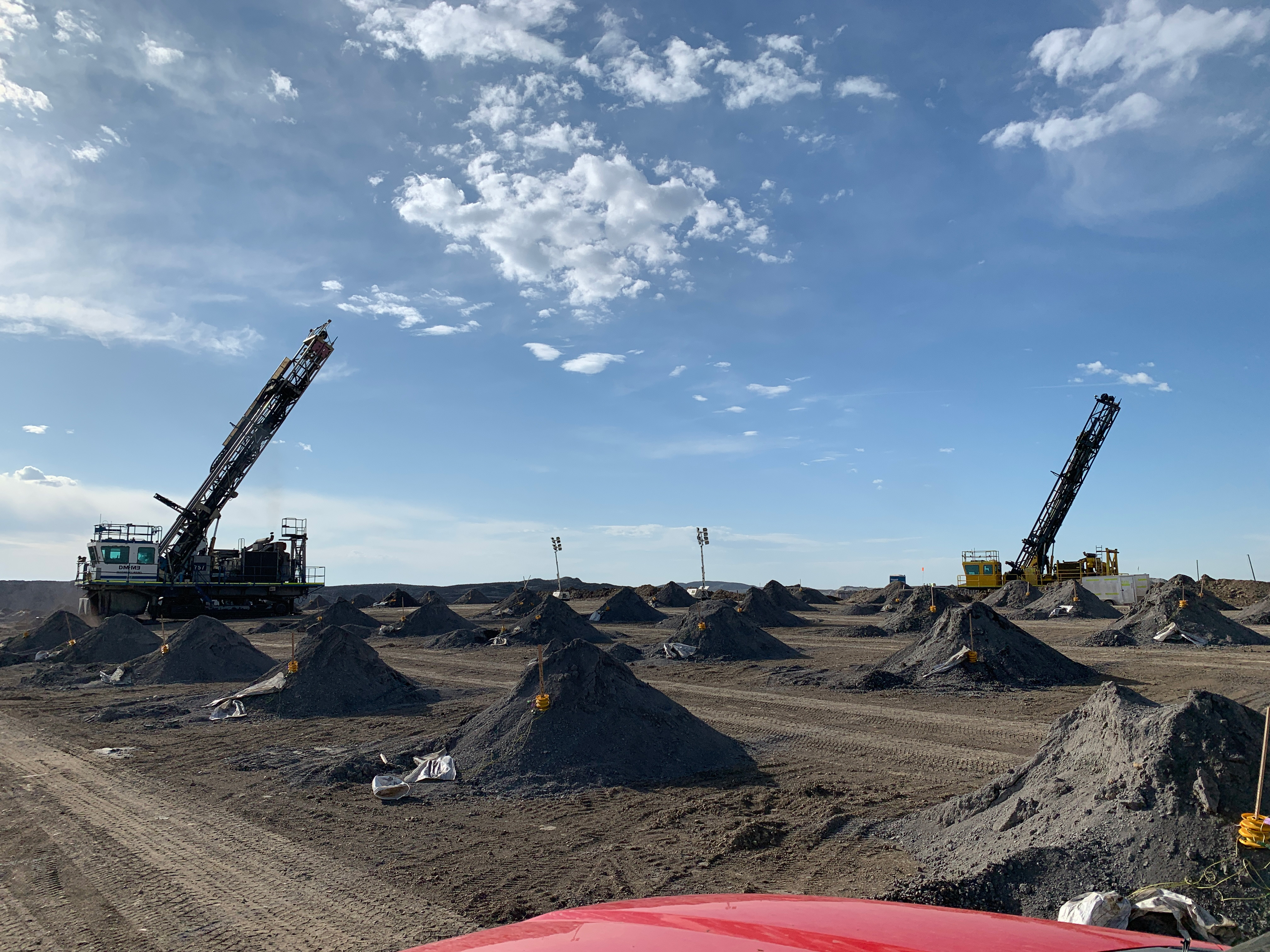
Despite the deployment of cutting-edge drilling technology and the integration of generated data into blast management systems, many mine sites still need to conduct in depth QA/QC. A major issue is hole integrity, which can be compromised between drilling and charging due to factors such as poor drilling, groundwater exposure, weather conditions, or equipment movement. These factors may change hole lengths, making it neccessary for operators to have a process whereby they can get accurate measurements if they want to be able to proactively respond to changes and adjust charge plans.Traditionally, hole measurements are taken using dip tapes, with the data manually entered into tablets for charging plans. This method is often inaccurate and time-consuming, requiring significant effort from field personnel to dip and record hole data. It typically involves more than one person and exposes workers to safety hazards associated with operating on a drilled bench. In sites where drilling information-such as hole location and length-is unavailable, planned (design) data is used to generate charging sheets. This introduces further inaccuracies, especially since drills often need to be repositioned due to actual bench conditions. These limitations make it difficult to respond eectively to deviations from blast designs and to ensure compliance. As a result, blast plans are often based on design assumptions rather than as-drilled data, which restricts the development of optimised and reliable blast strategies. This variability signicantly impacts the quality of explosive charging operations, reducing consistency and its overall capability. Consequently, blast outcomes - such as fragmentation quality, slope stability, and eects on surrounding communities- can be severely compromised.
The Solution
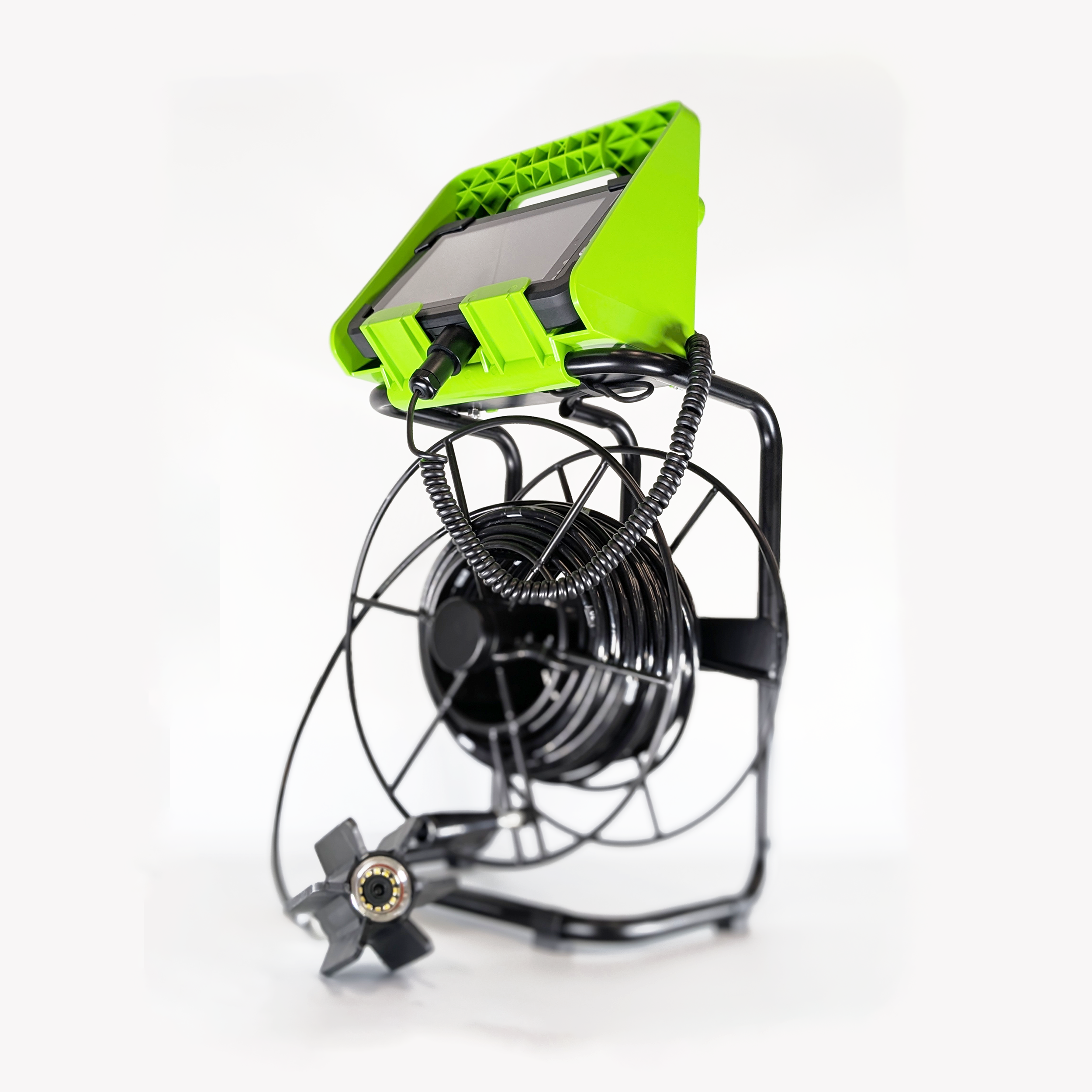
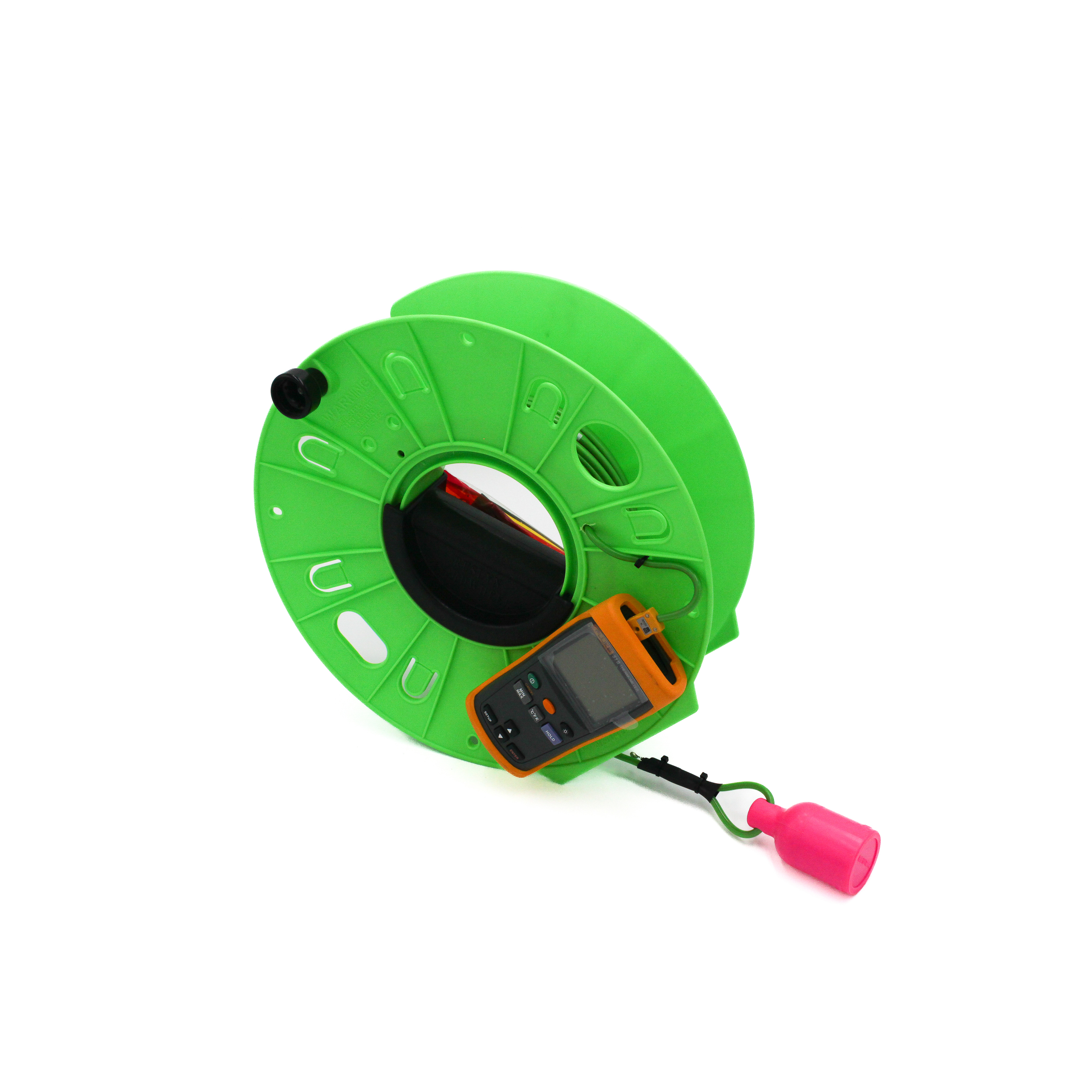
BLASTSCOUT solves these problems by delivering a fully digital, easy-to-use QAQC system that:
Enables faster and more reliable data collection
Supports superior blasting outcomes
Reduces environmental and safety risks
Designed to suit both lean and highly integrated mining operations, Blastscout adapts to each site's level of digital maturity-delivering accurate data and consistent results, no matter the infrastructure and mine systems in place.
Many paths. One great result
The adaptability of the BLASTSCOUT system makes it suitable to every kind of operator, irrespective of their technological capabilities and operational requirements. With a long and growing track record of implementations worldwide, BLASTSCOUT can be adapted to work as a simple QAQC tool or a multifuntional QAQC and blasthole survey system.
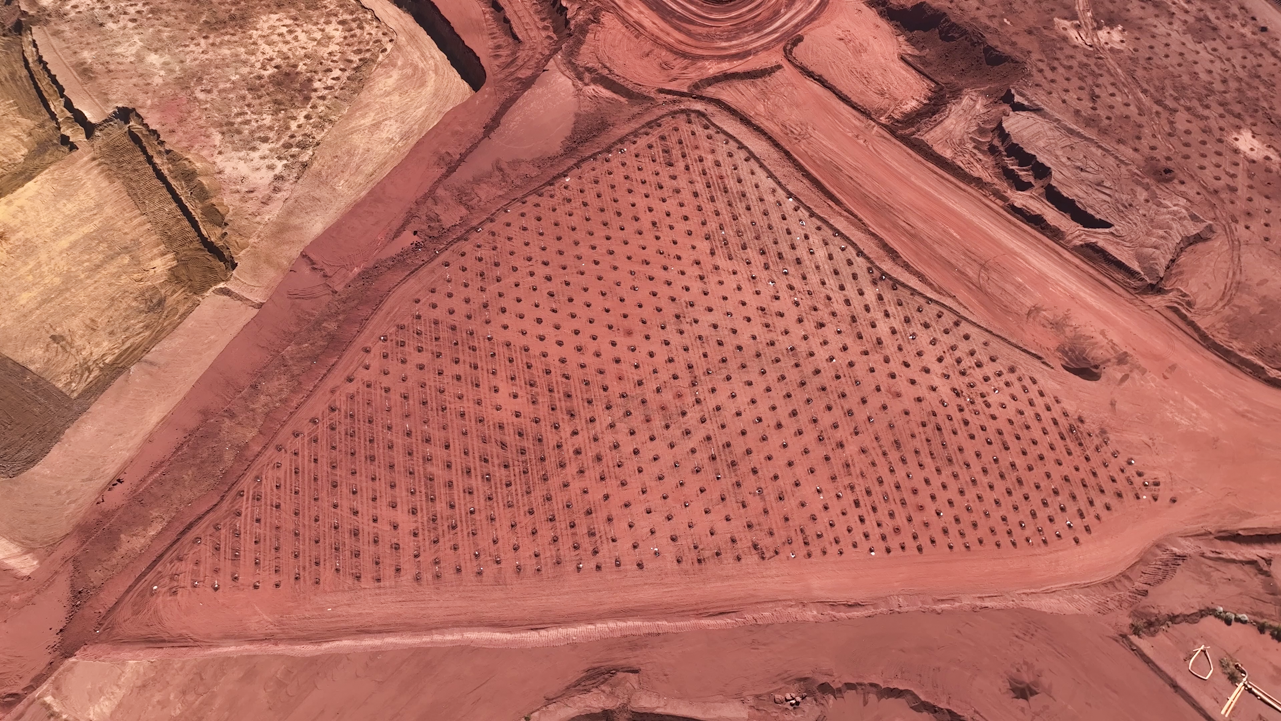
On sites with highly integrated systems where "as drilled" GPScoordinates are available; a relatively simple onboarding and setup is followed to get BLASTSCOUT up and running (known as integrated systems onboarding).On sites with leaner systems integration, where no "as drilled" GPS data is available, a slightly more involved onboarding process ensues (refered to as lean systems onboarding). This process establishes the RTK GPS coordinates giving these sites the same quality of data as any other.Irrespective of the onboarding path, both approaches deliver the same output: precise hole mapping and accurate blast plans. The choice is solely dependent on the site�s data infrastructure.
The Result
Since 2023, the BLASTSCOUT system has measured over 1.6 million holes, across 5 countries on multiple sites. And over that time, we�ve observed consistent and considerable results.
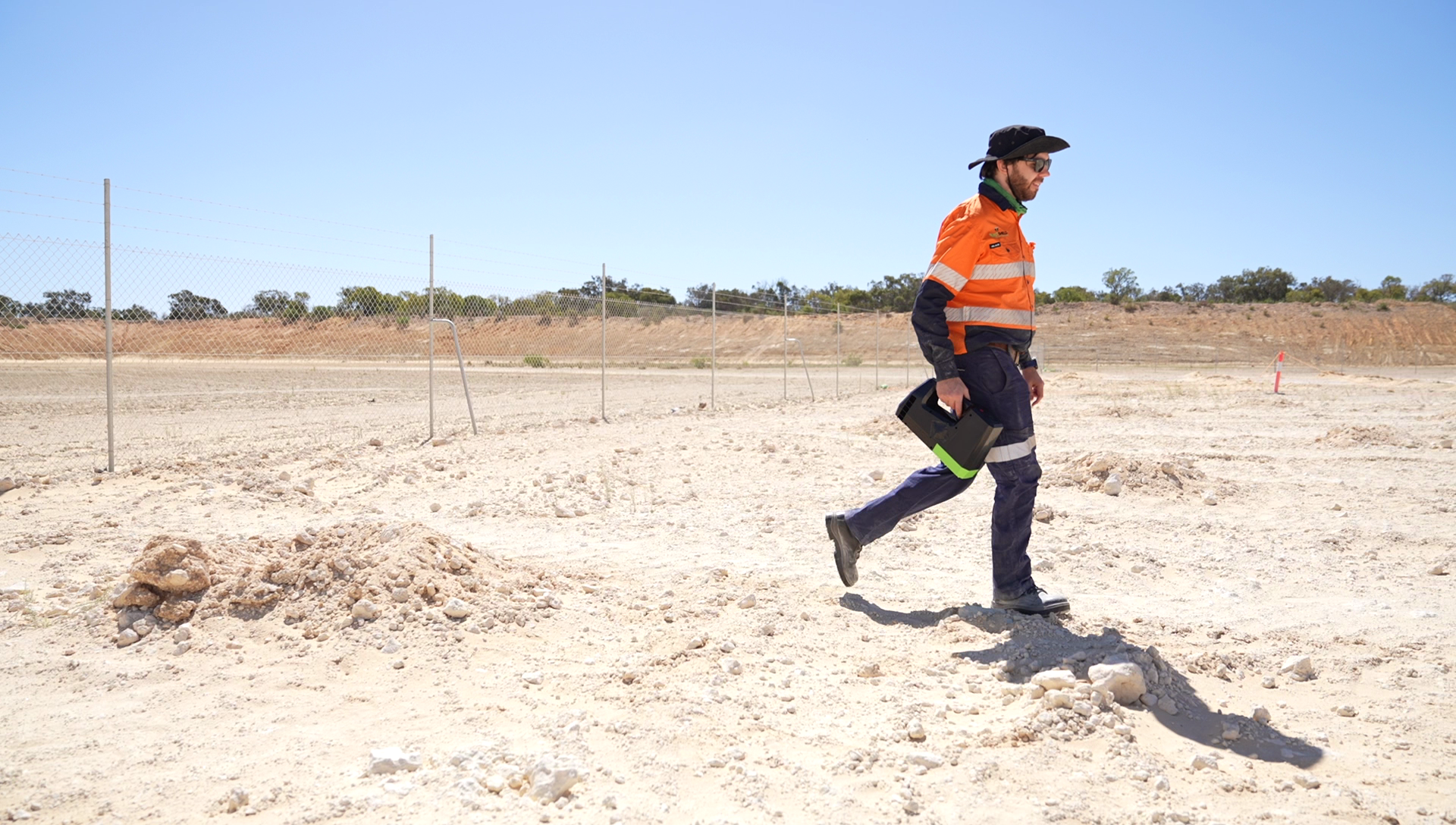
At one site in Western Australia, with an integrated blastmanagement system , the implementation of BLASTSCOUT has delivered:
58% reduction in QAQC FTE requirements- without the need to write or physically record hole depths, personnel have been freed to pursue other activities.
71% reduction in bench exposure time- due to faster data acquisition
29% improvement in explosives charging consistency-with accurate and reliable data driving the blast plans
Improved identi cation of drilling and blasting process inefficiencies using auditable and well recorded data
Another successful story was in South America at a mine where the "as drilled" data wasn't available. Here in addition to the benefits experienced at the highly integrated mine, BLASTSCOUT was able to truly deliver accurate blast plans, drill and blast auditability and enable continuous improvement.
In conclusion, BLASTSCOUT delivers a robust and exible QAQC solution that's easily deployable across the mining industry-regardless of a site's digital maturity. From lean operations to fully integrated mines, it empowers teams with reliable, accurate data and dramatically enhances safety, eciency, and blasting outcomes.

Project Powered By:
Australia (WA)
Australia (NSW)
Australia (QLD)
United States
South Africa
Site links
- Home
- products
- Site Services
- Case Studies
- Contact Us
- Inflatable Plugs
- Technology
- Blasthole liners
- In-hole accessories
- Bench accessories
- Delineation
- Inflation Equipment
- Measuring
- products
- Site Services
- Case Studies
- Blastbags
- Blastscout
- Blastshield
- Spiders