




_trans_2500x2500.png)














.jpg)

.jpg)







Improving stemming efficiency
Background
The Challenge
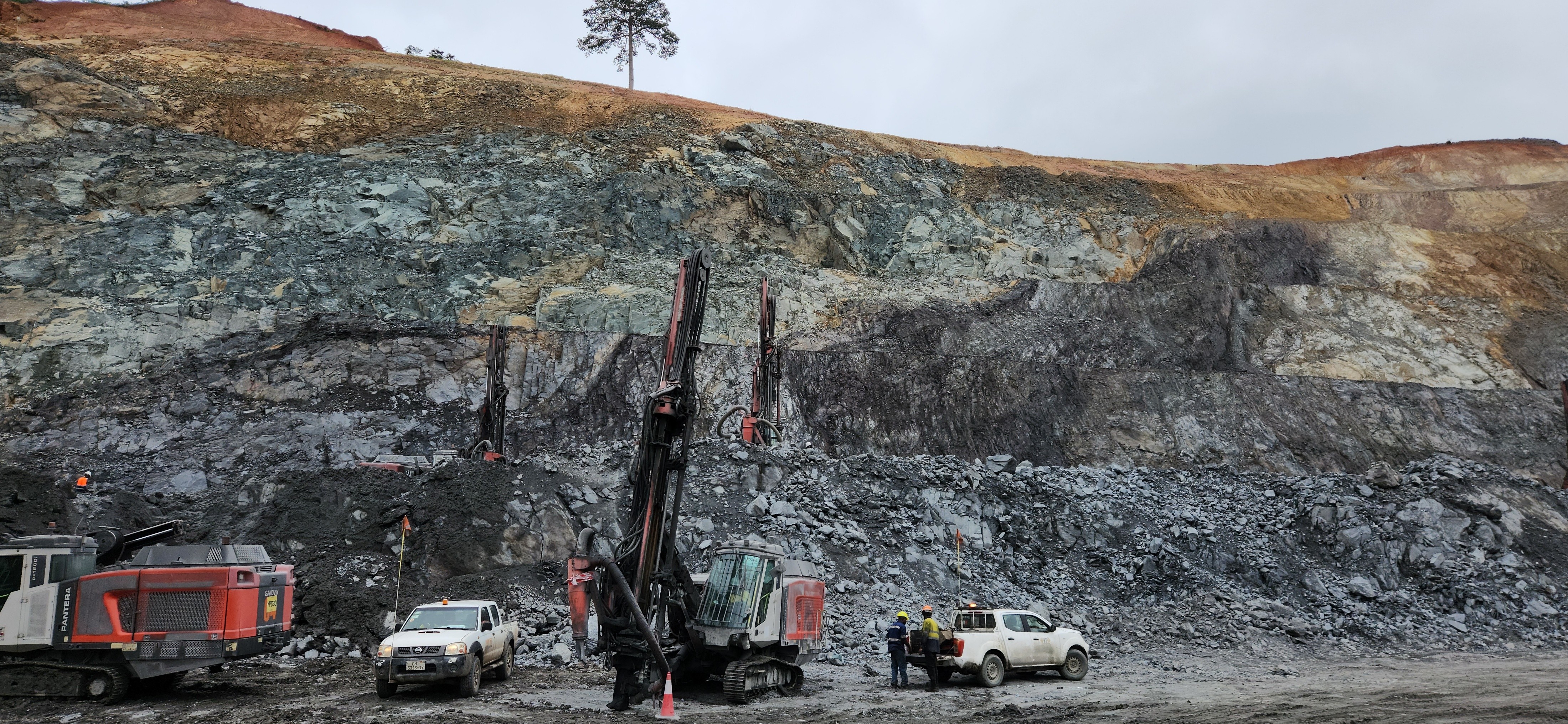
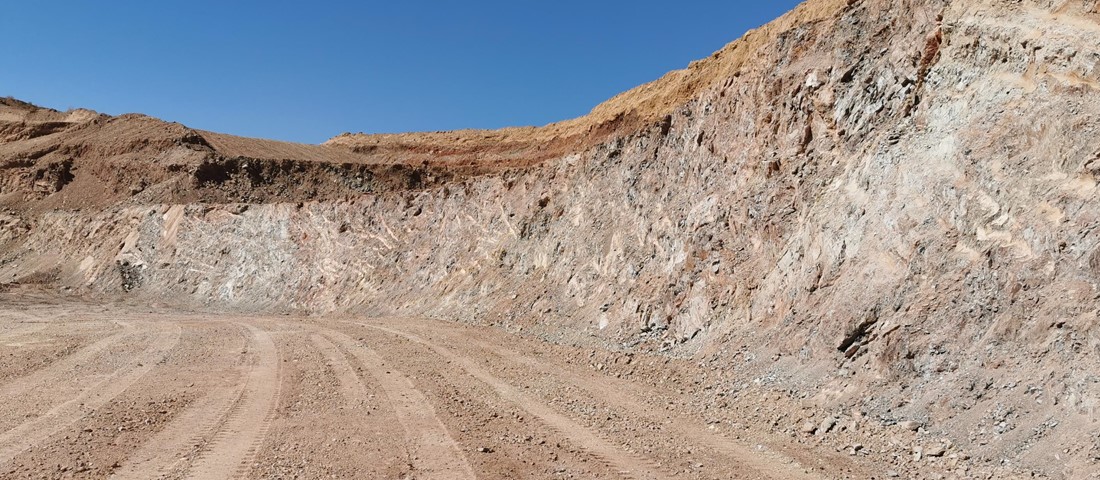
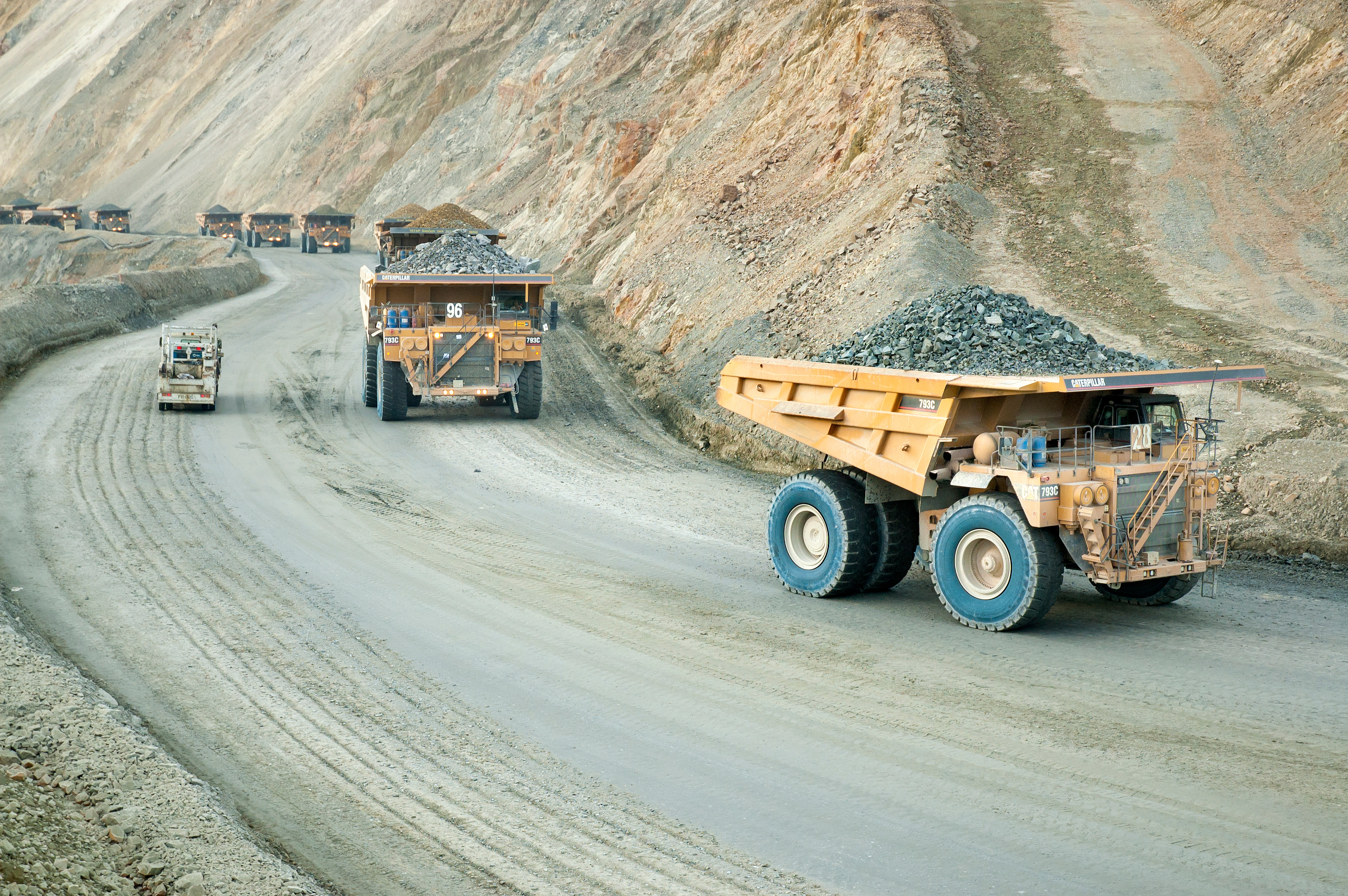
With a production capacity of 90 million tonnes per year, a large iron ore operator began to experience blasting issues. These issues included increased excessive ejections , unevenfragmentation, and oversized material, which posed a safety risk to personnel. Additionally, the increase in oversized material led to higher maintenance costs due to greater wear and tear on equipment, while productivity declined as loading and crushing required more time and energy. Seeking to address these challenges and others, the mine enlisted the expertise of the Enaex Mining Technical Solutions (EMTS) team to provide an end-to-end optimisation solution. From Initial observations and discussions with the site crew it was revealed that the blasting issues were due to inadequate connement caused in part by local geology (hard rock on the top of friable rock) and an inecient stemming design.
The Solution
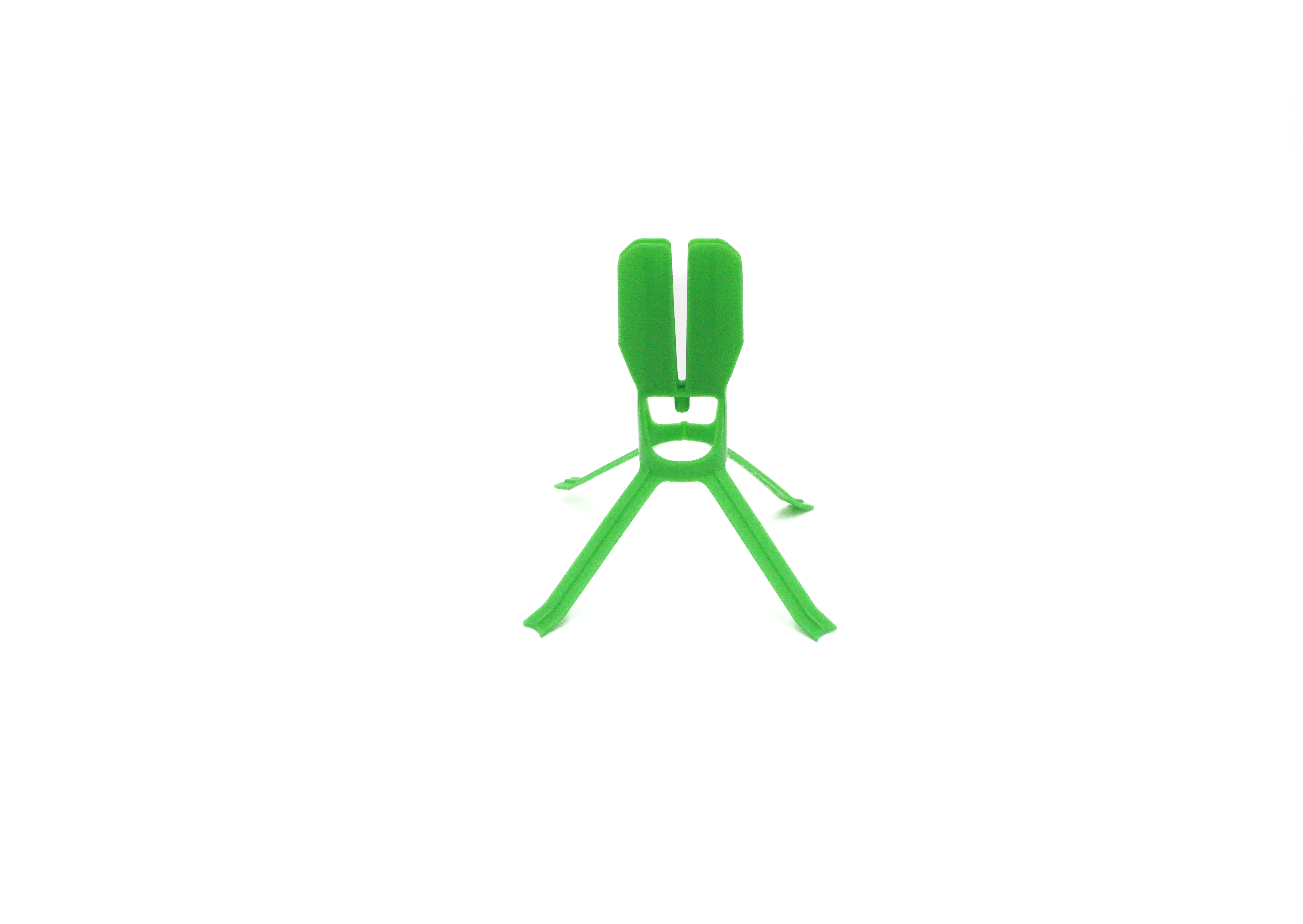
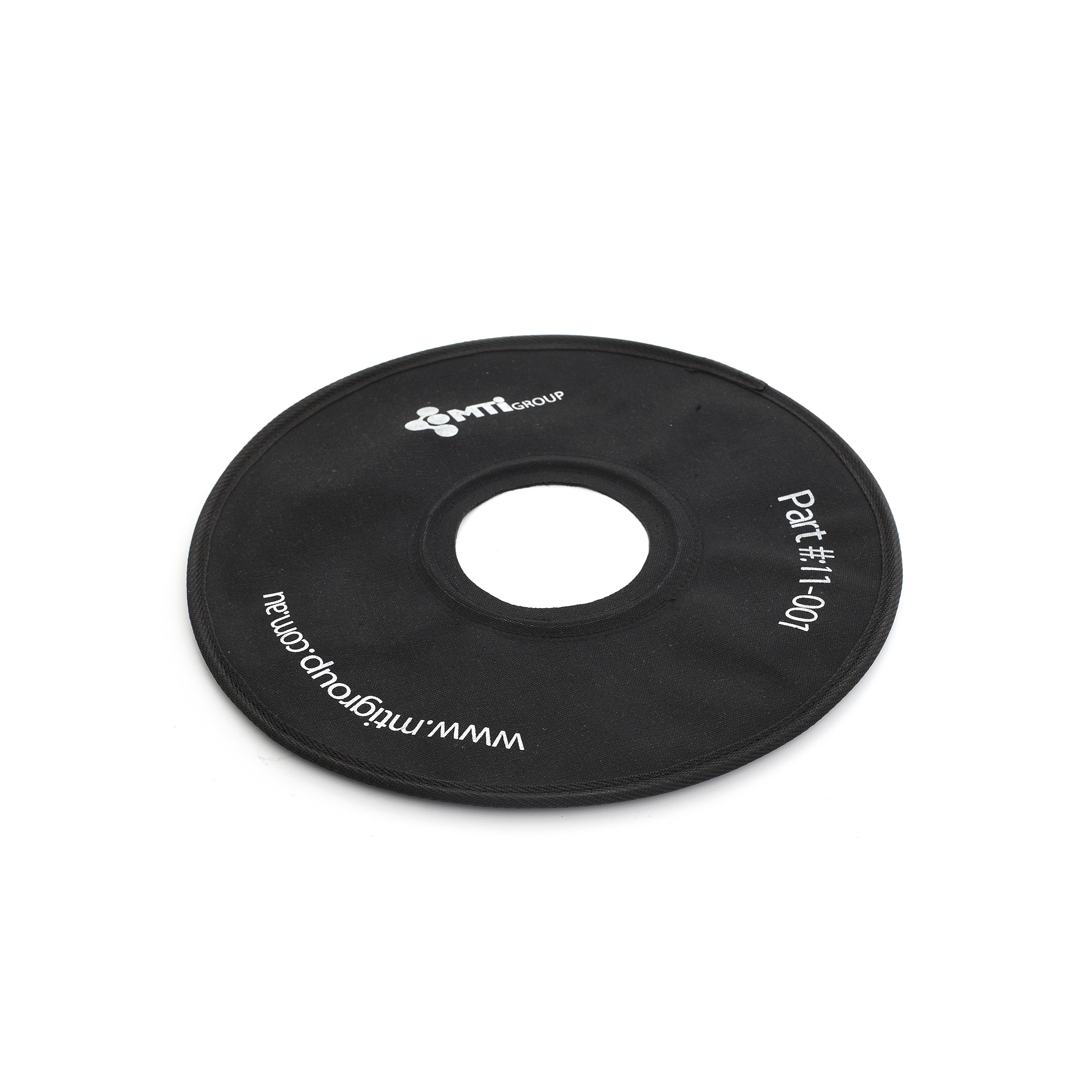
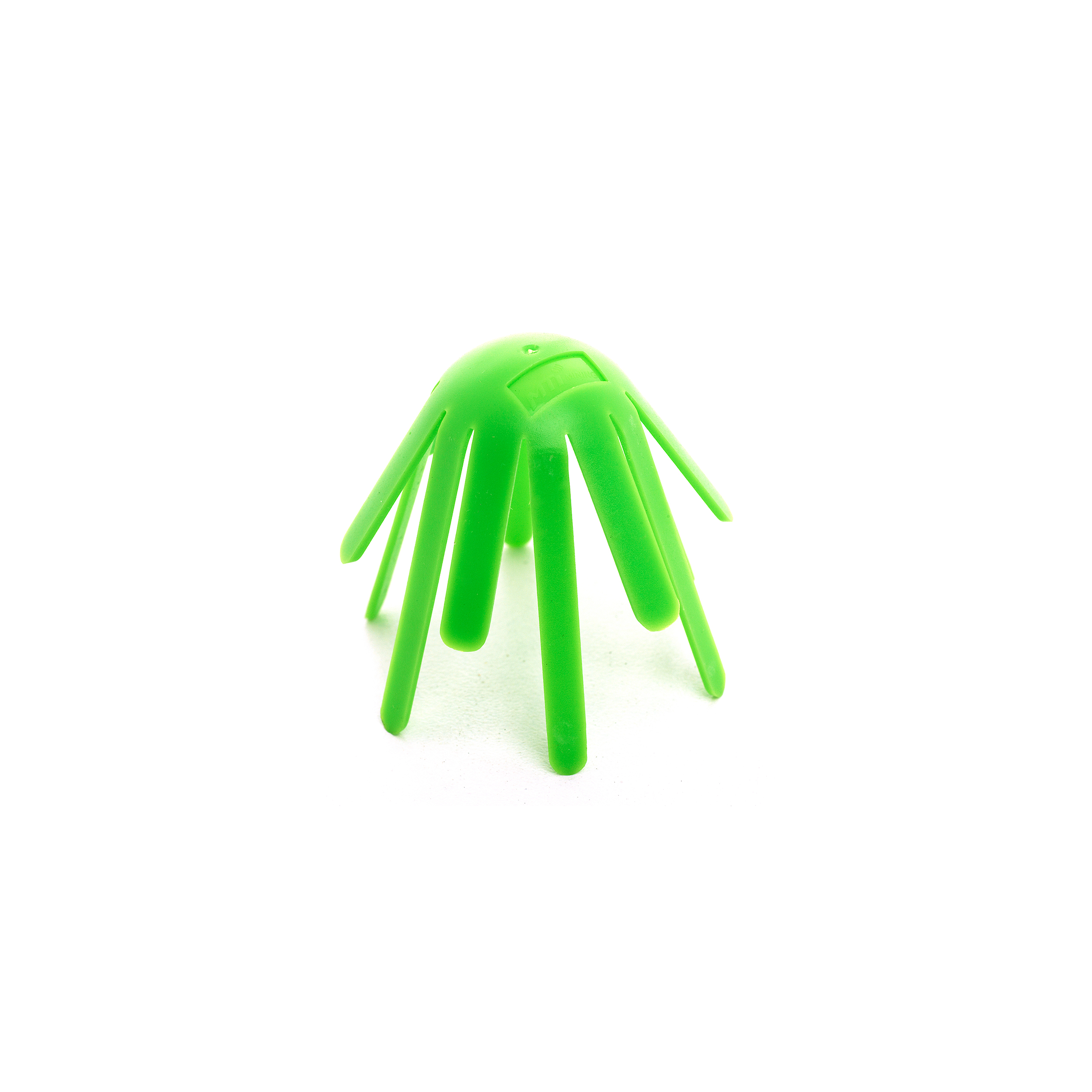
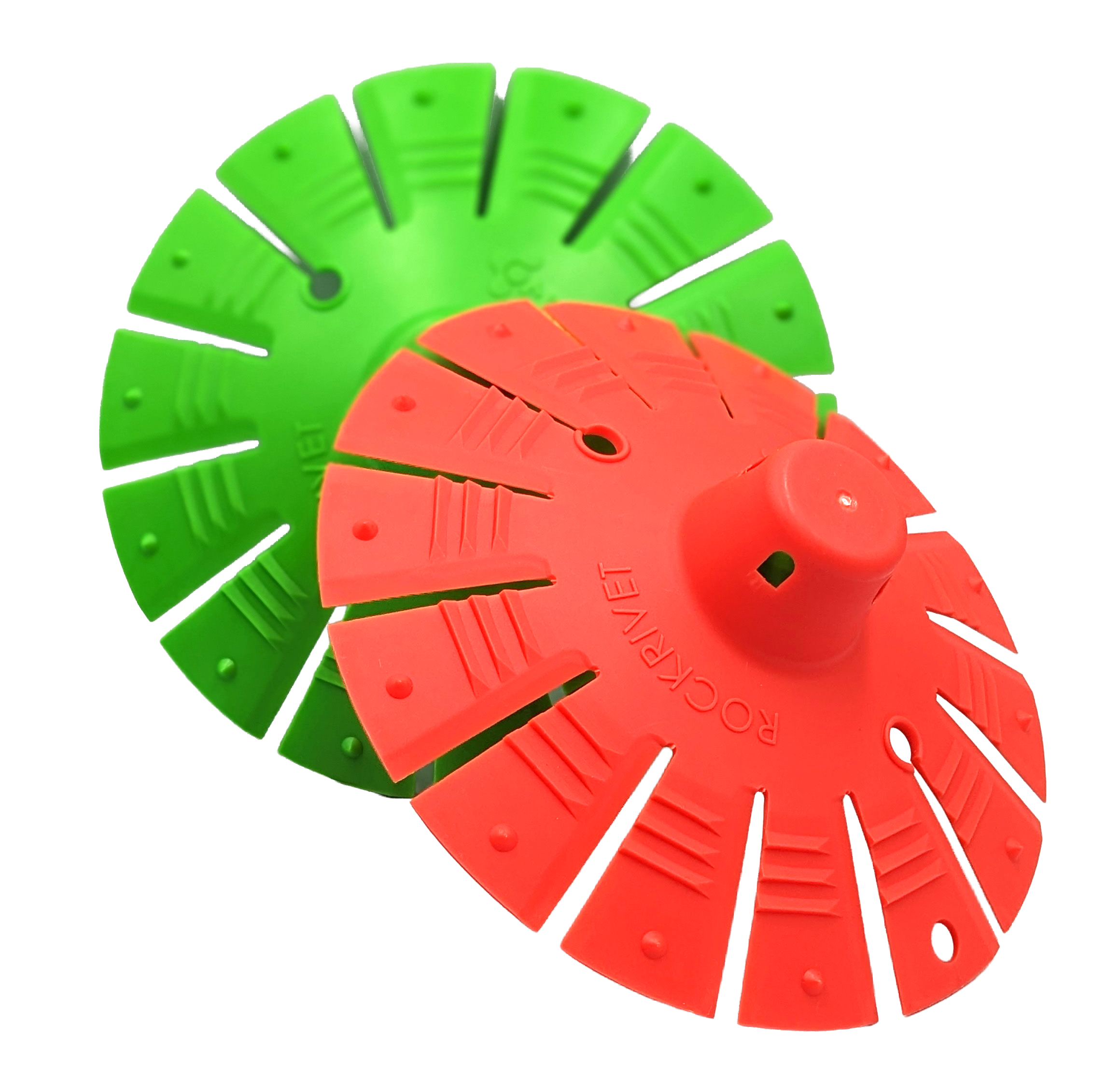
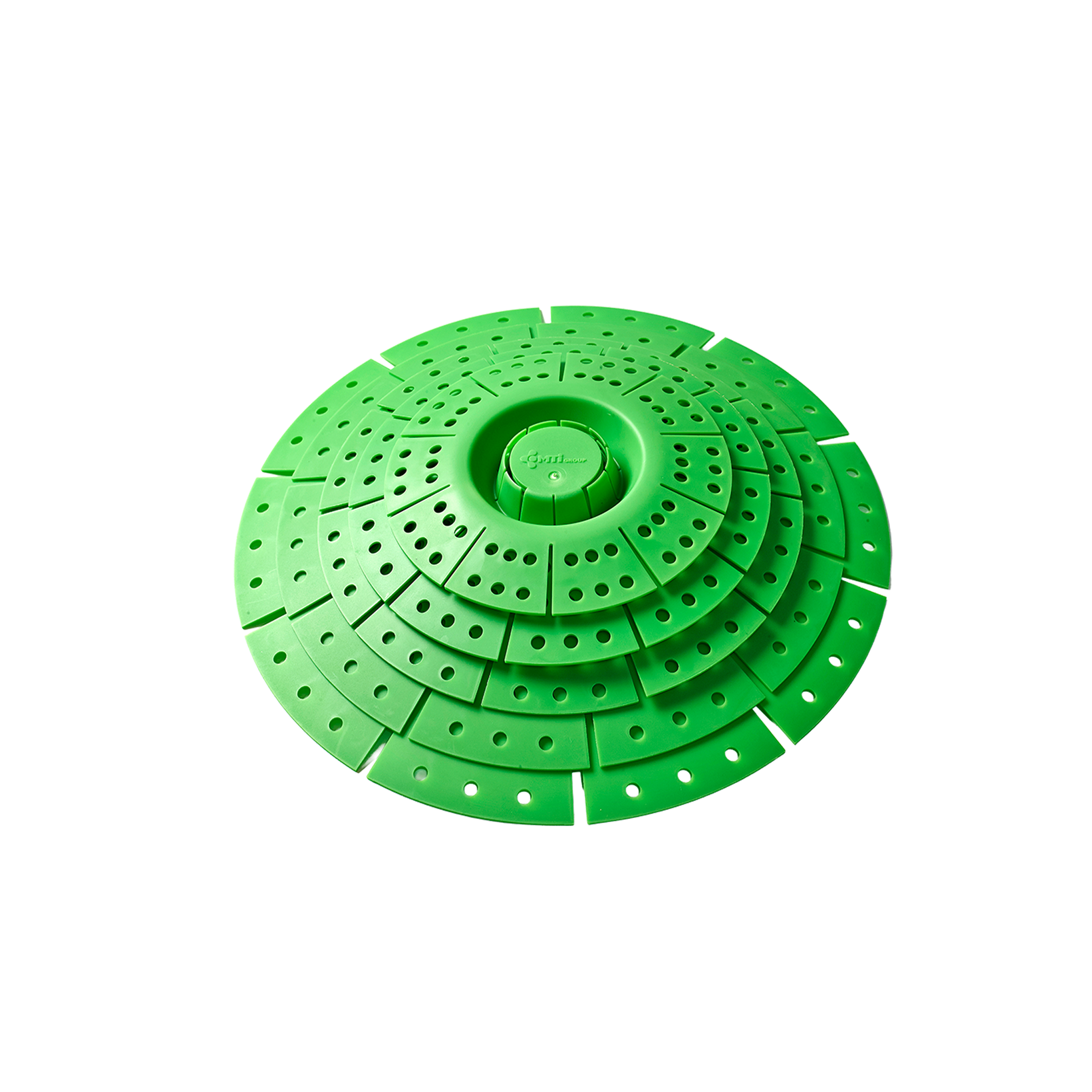
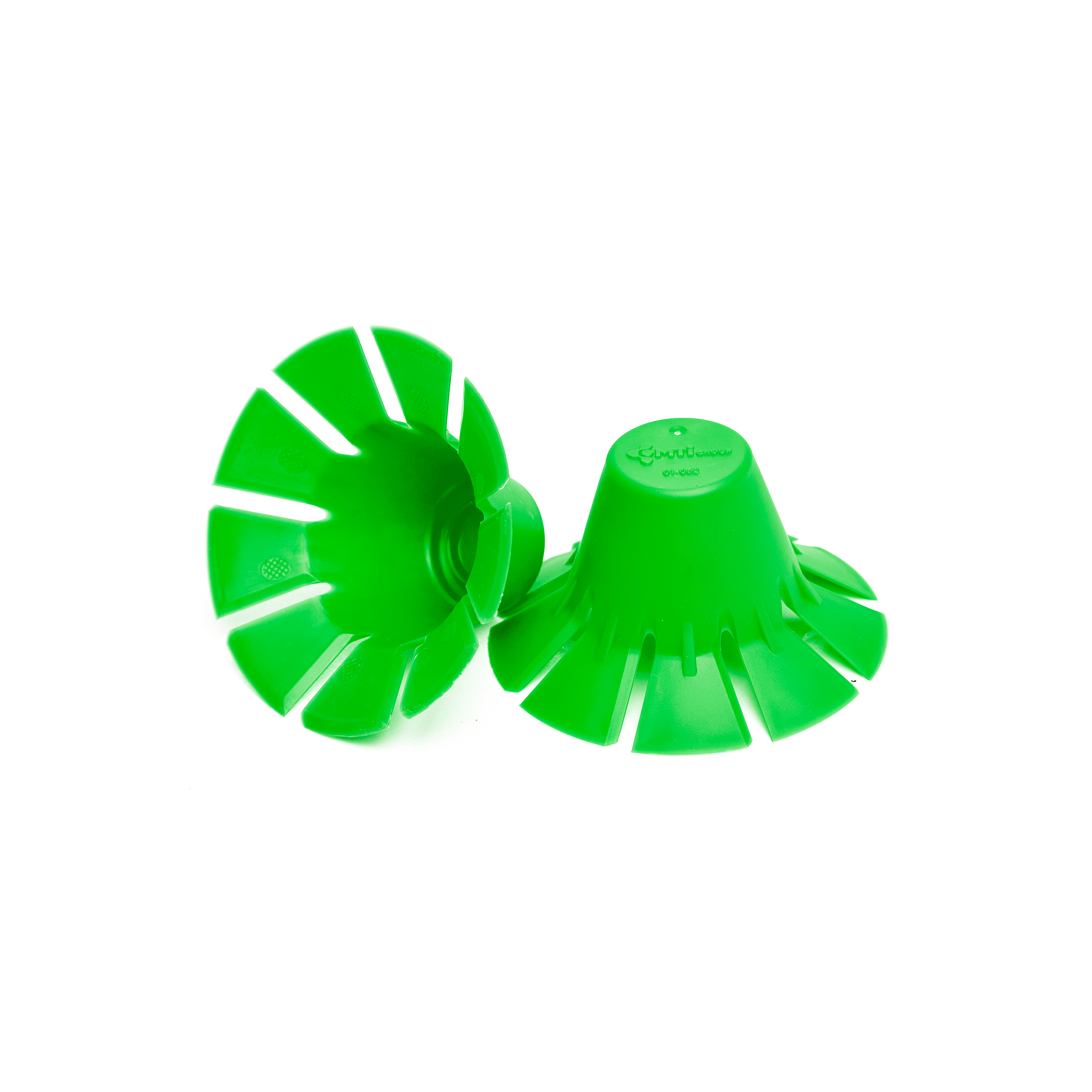
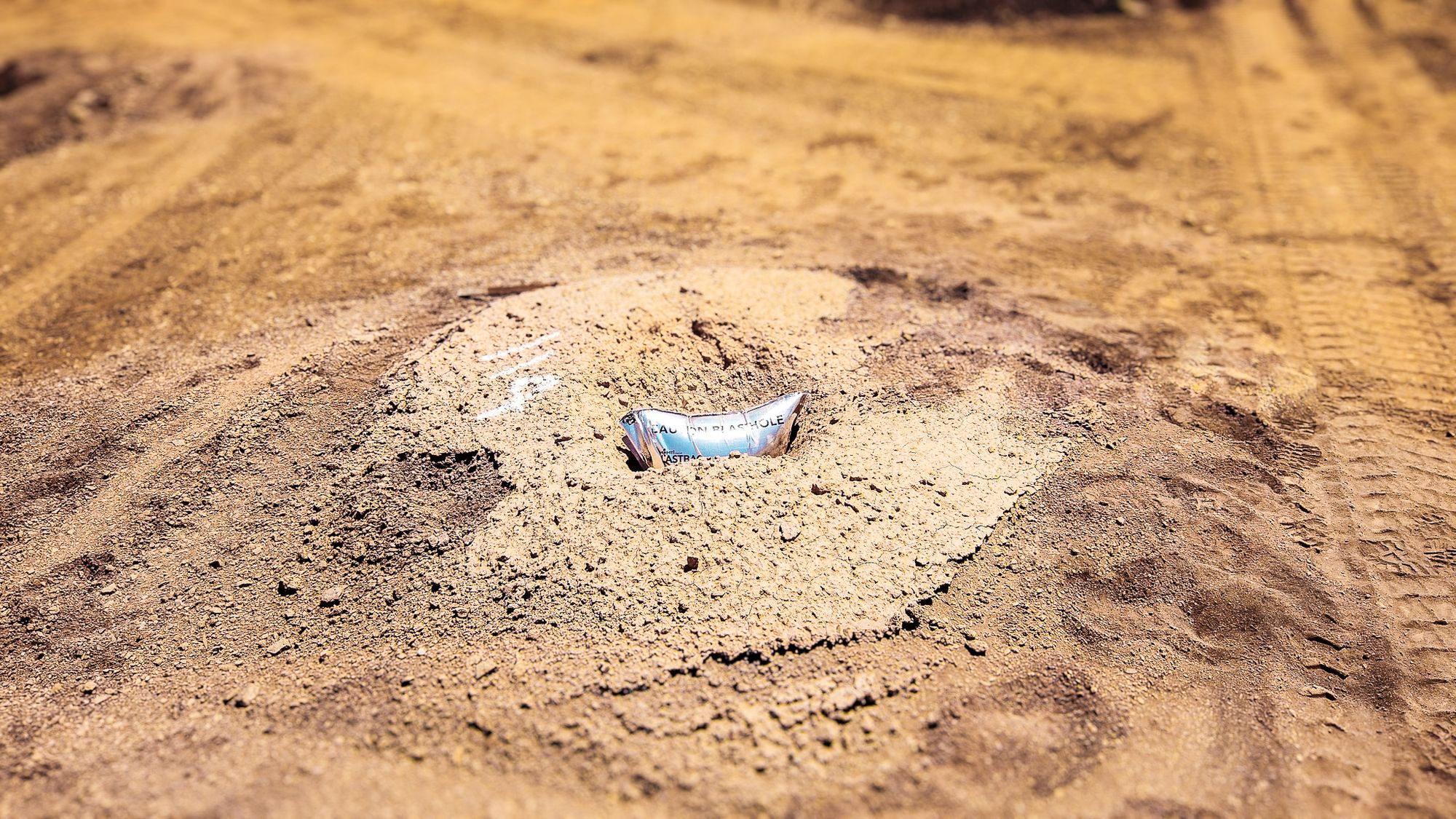
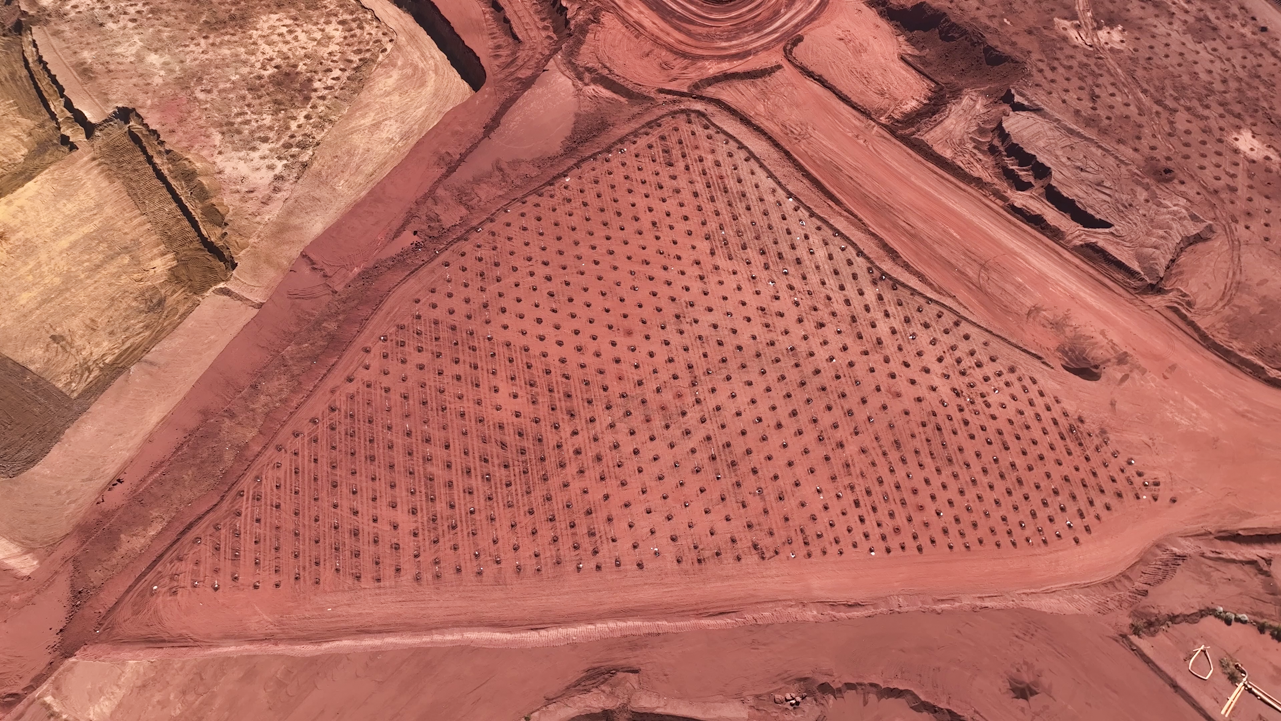
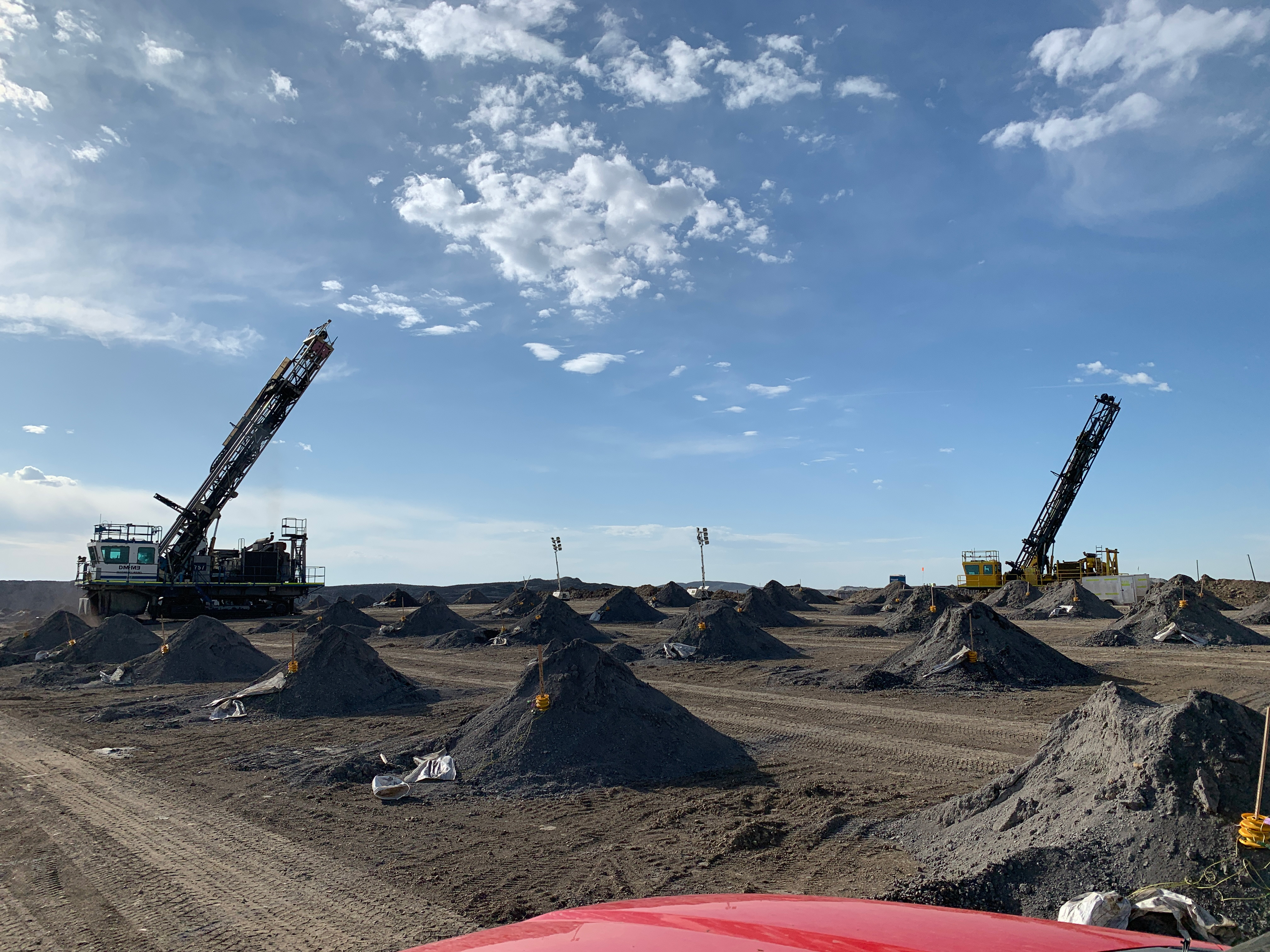
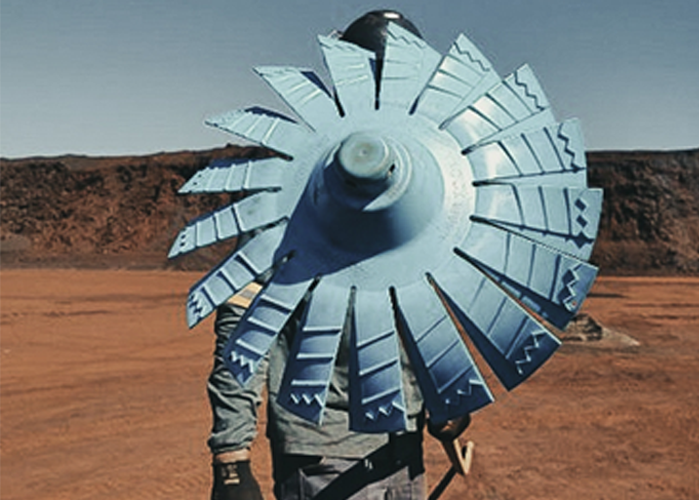
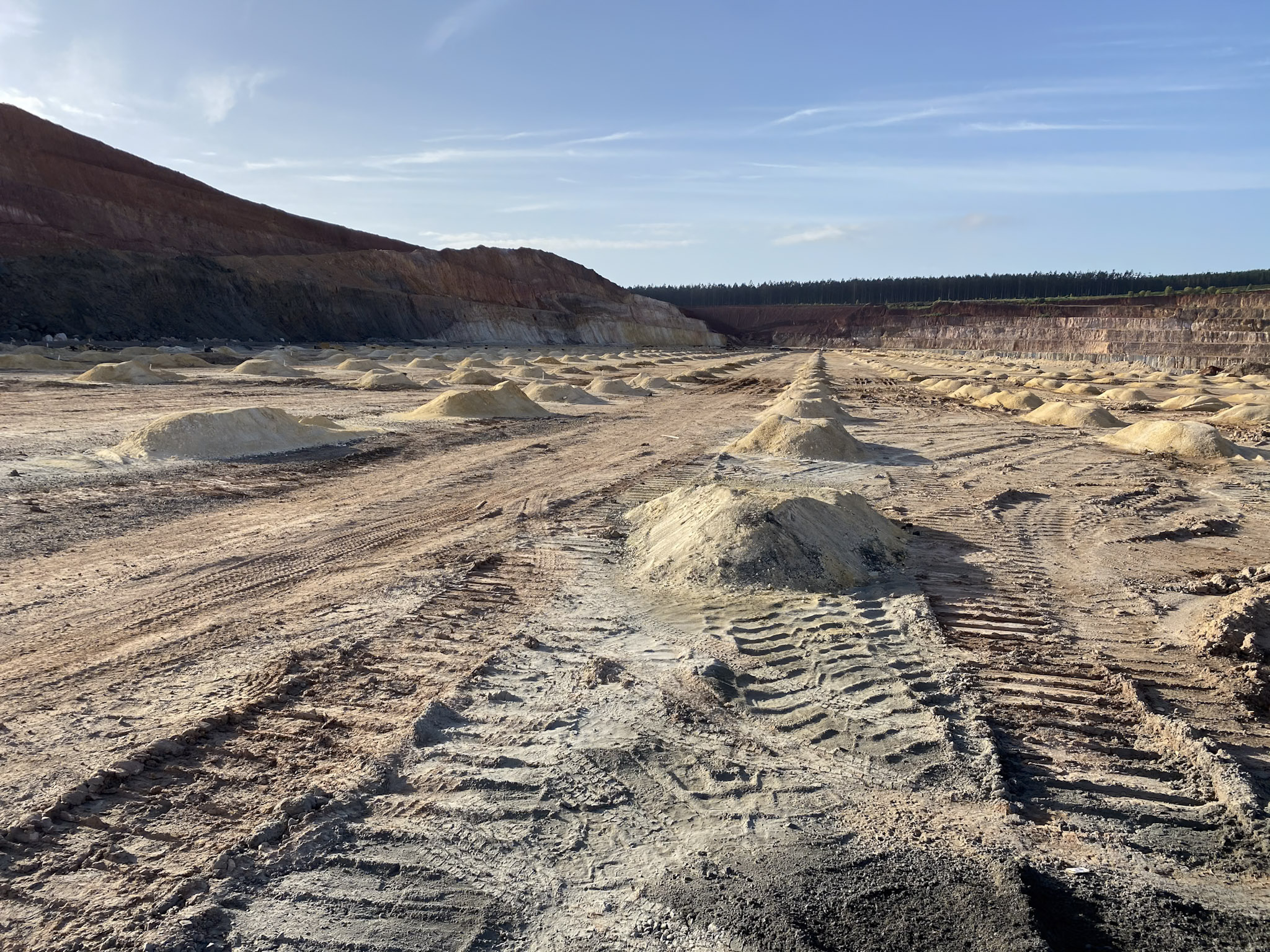
Confinement, is a critical parameter in blasting as it relates to the ability to hold the explosive energy a. As a general rule, excessive connement leads to excessive induced vibrations and damage to the surrounding rock mass, while insucient connement results in safety risks due to excessive ejections (yrock), energy wastage and poor fragmentation. To solve the problem the team designed several stemming congurations using dierent materials - cuttings, gravels and rock rivets. To evaluate the eectiveness of this solution under dierent charge proles and congurations, crater tests were conducted. In this eld experiment, eight holes were individually detonated to create visible craters on the ground, enabling EMTS to measure and analyse the size and shape of the craters to assess blasting eciency. High-speed cameras and drone photography were used for visual assessment of the ejections prole, while physical measurements of the crater dimensions were taken to determine the eectiveness of the blasts. Of the eight holes, half (holes 3, 4, 7, and 8) contained Rockrivets placed at various depths and stemming lengths, while the remaining holes had no stemming support. Made from a rigid plastic with fins along their outer edges,Rockrivets are a disc-shaped retention plug designed to easily slip into a hole and remain fixed once the required depth is reached. Selected for their ability to support material and prevent explosive contamination, Rockrivets would provide the ideal support needed for EMTS stemming solution.
The Result
From the tests performed it was observed that holes containing Rockrivets showed significantly larger craters than those without stemming plugs. Reaching measurements as high as 20m and 21m in diameter (hole 7 & 8 respectively), representing a 40%-75% increase in size compared to conventional configurations (holes 1 & 2). Video inspection also confirmed less ejections from these holes.This indicated an improvement in energy containment without compromising fragmentation into the rock mass because of enhanced confinement. Following the successful trial, the client adopted the stemming solution across problematic areas. In the short period after implementation, several positive outcomes were observed:
Improved fragmentation, with better size distribution,38% reduction in P80, (See graph) leading to smoother loading and hauling operations.
Reduced top-size material by 15% enhancing crushing and processing efficiency. (see graph)
Decreased flyrock and reduced flyrock range, significantly improving overall operational safety.
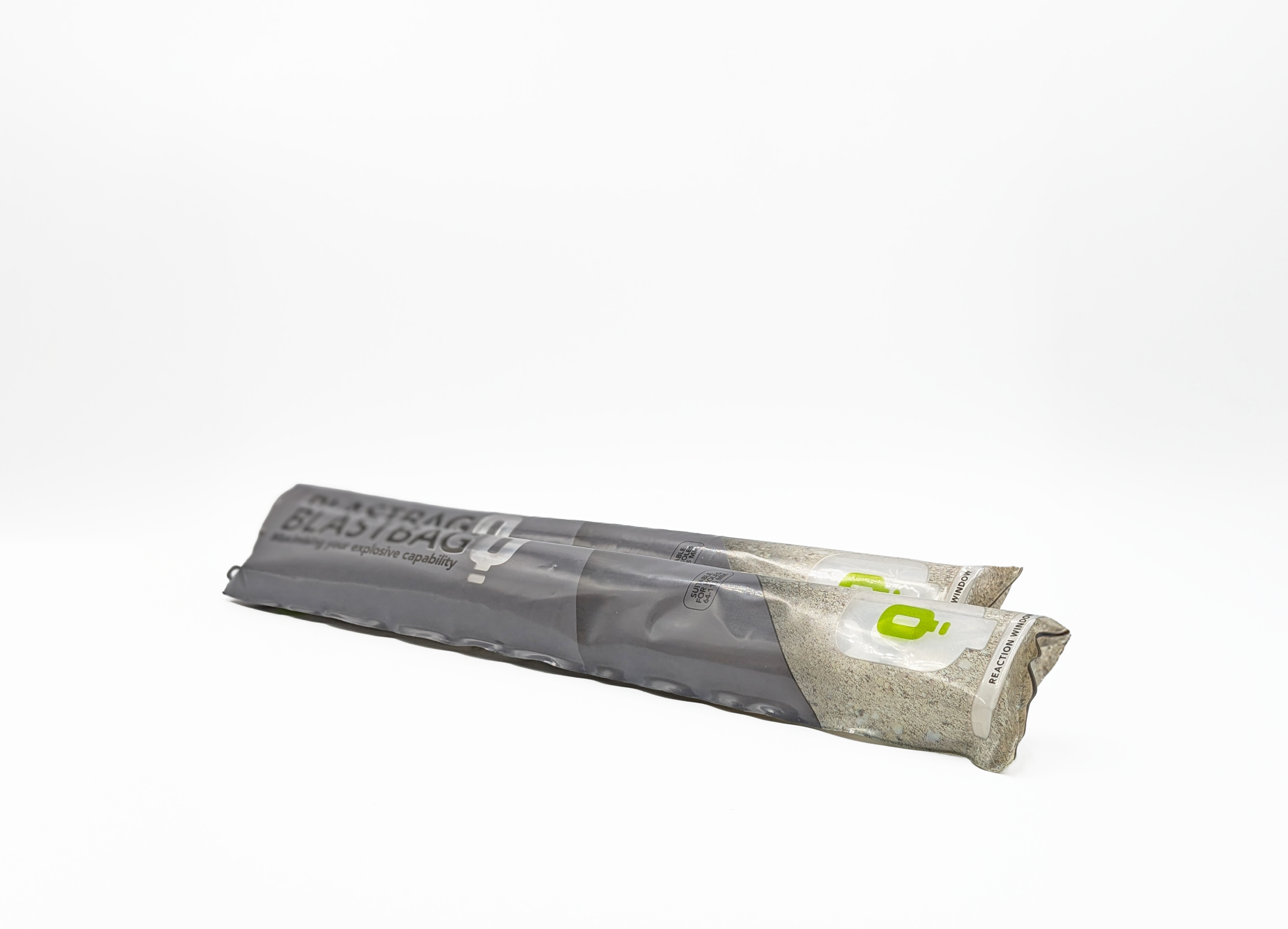
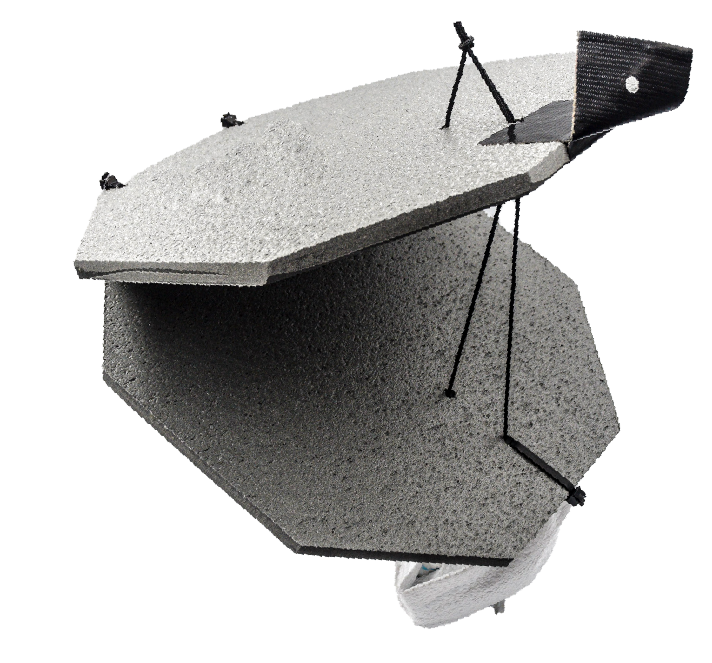
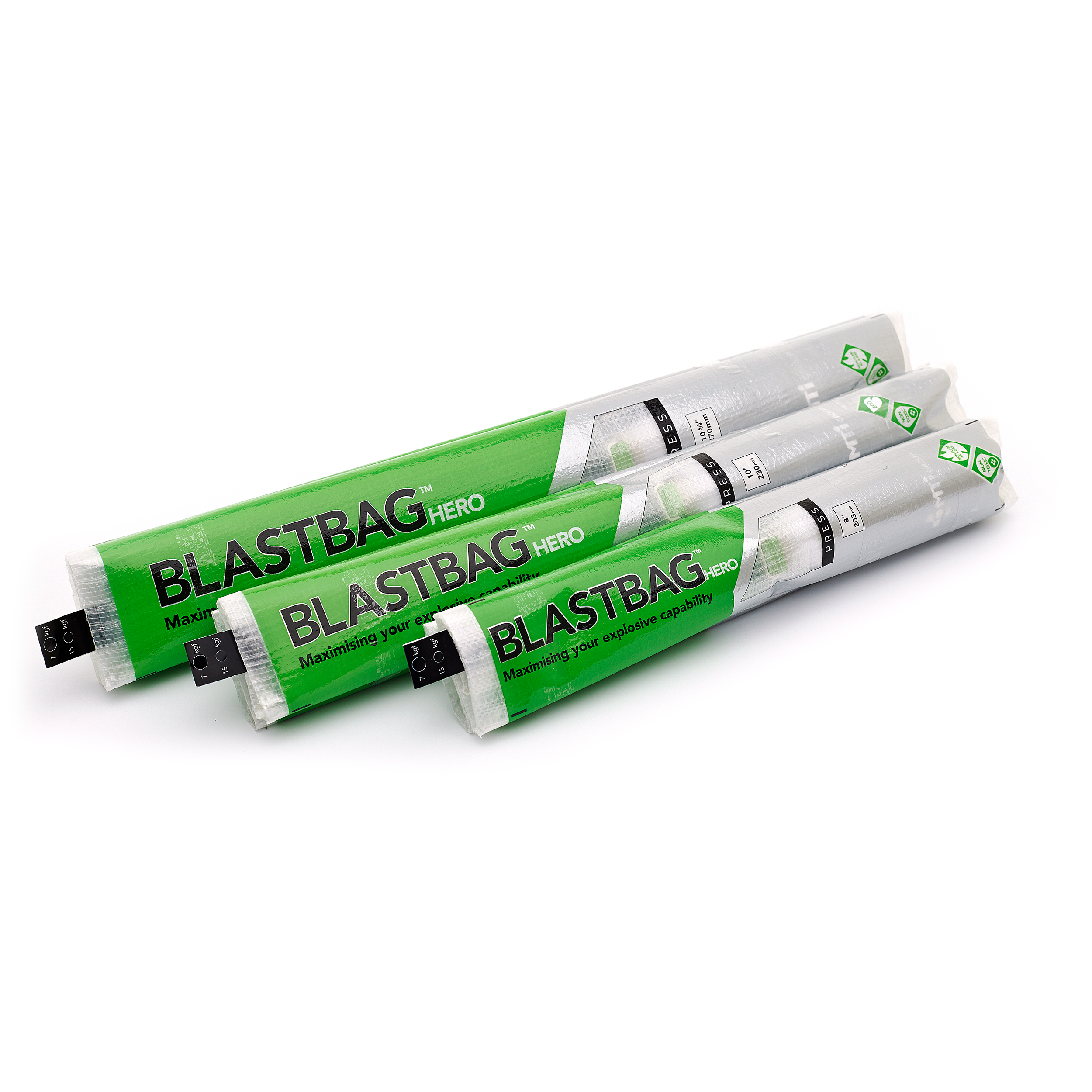
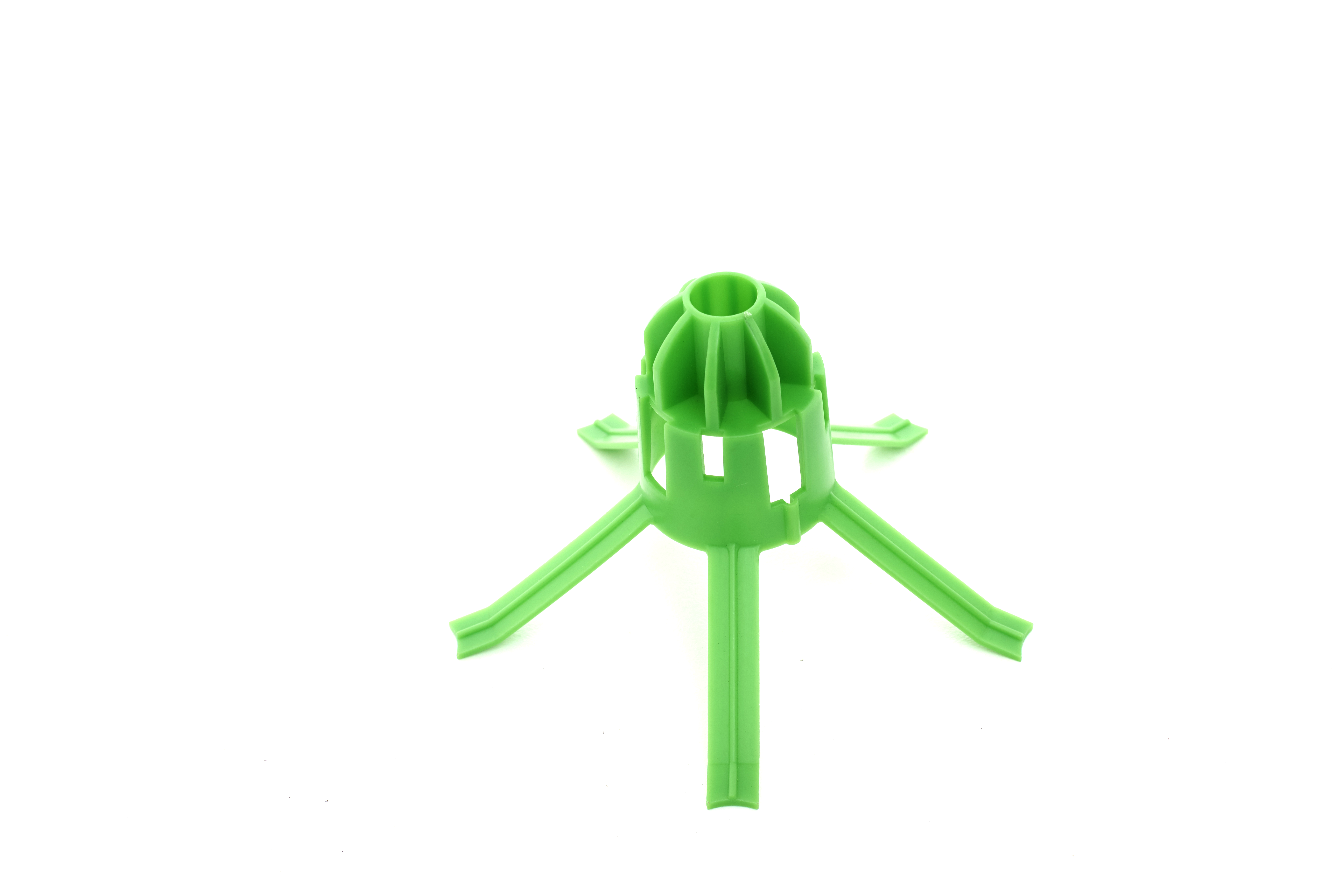
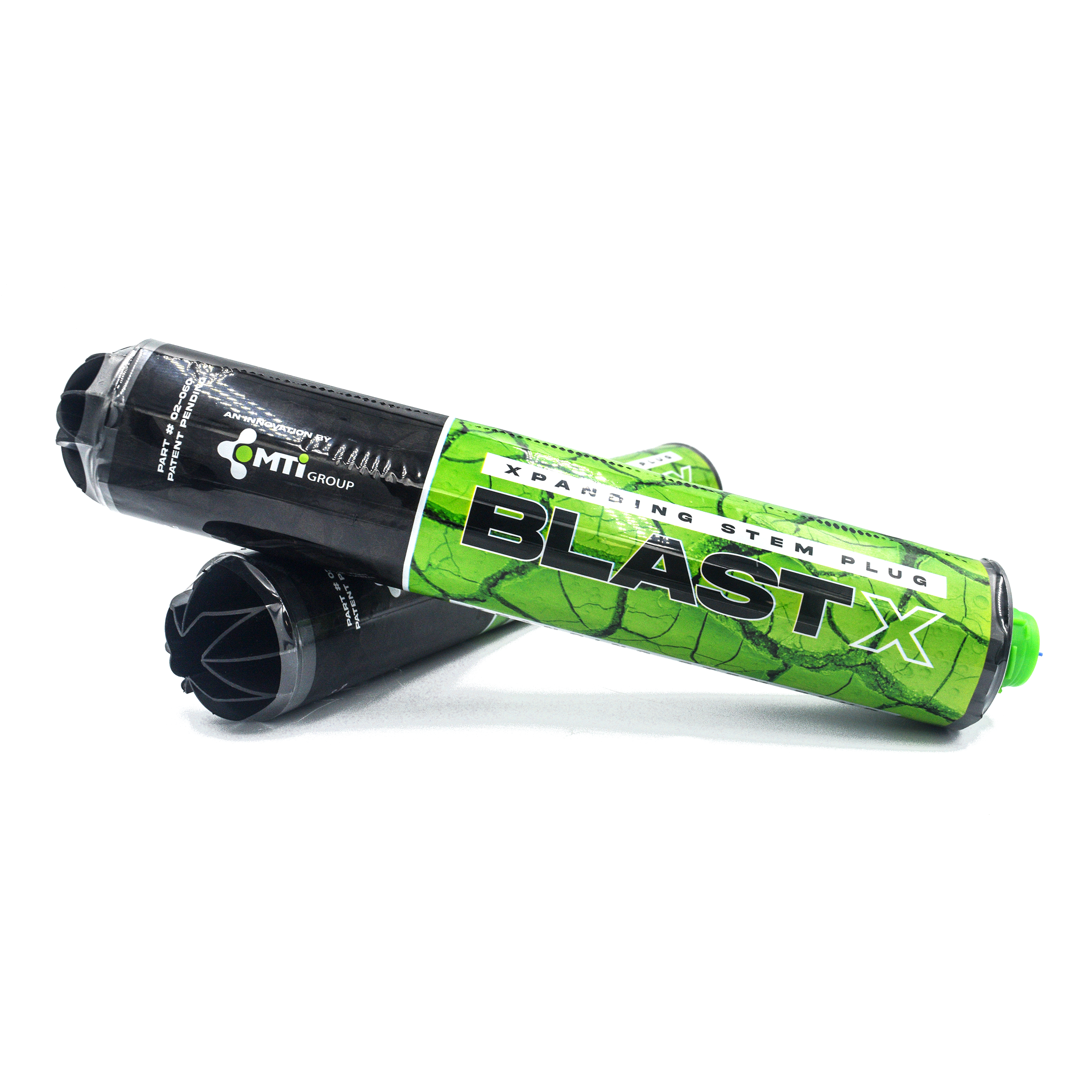
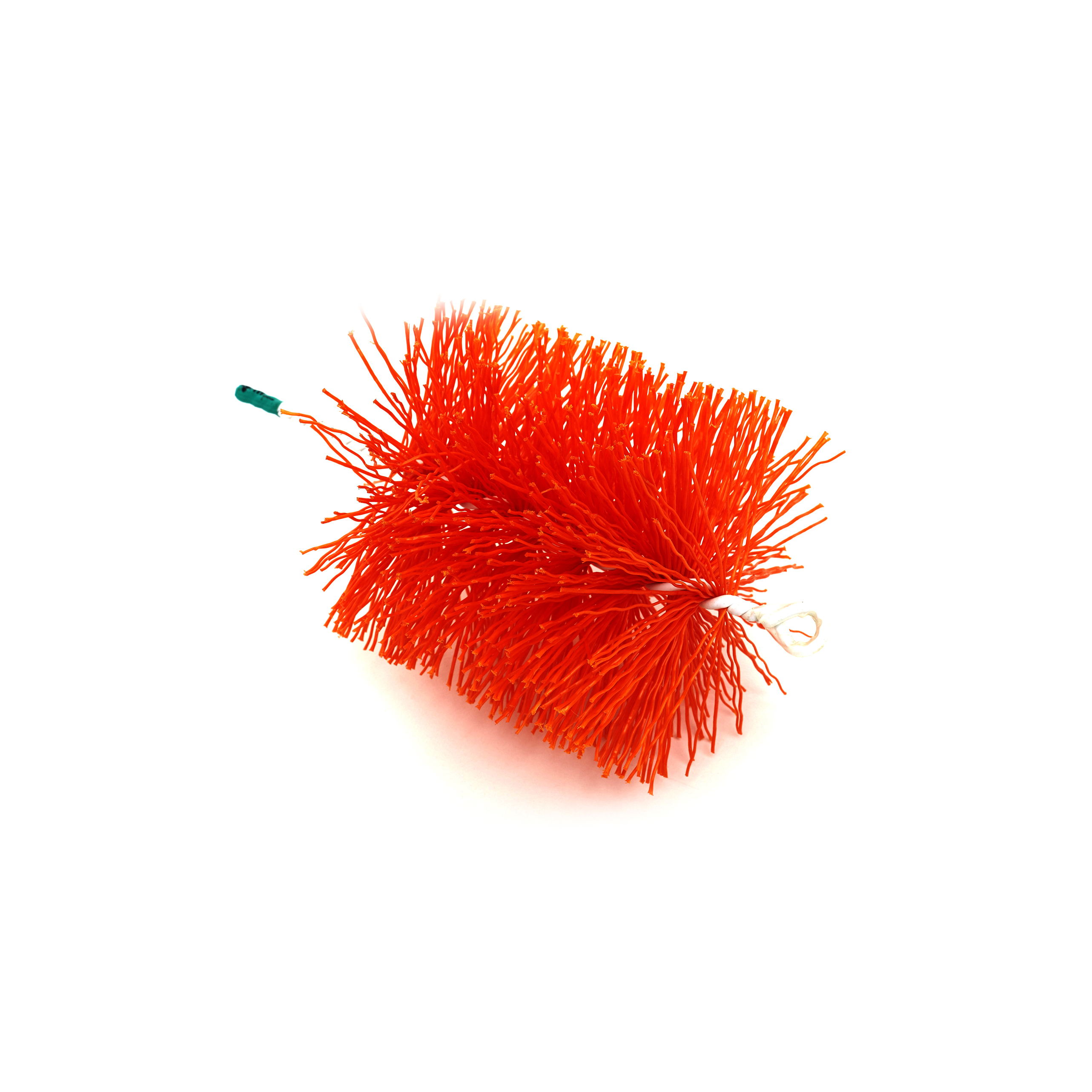
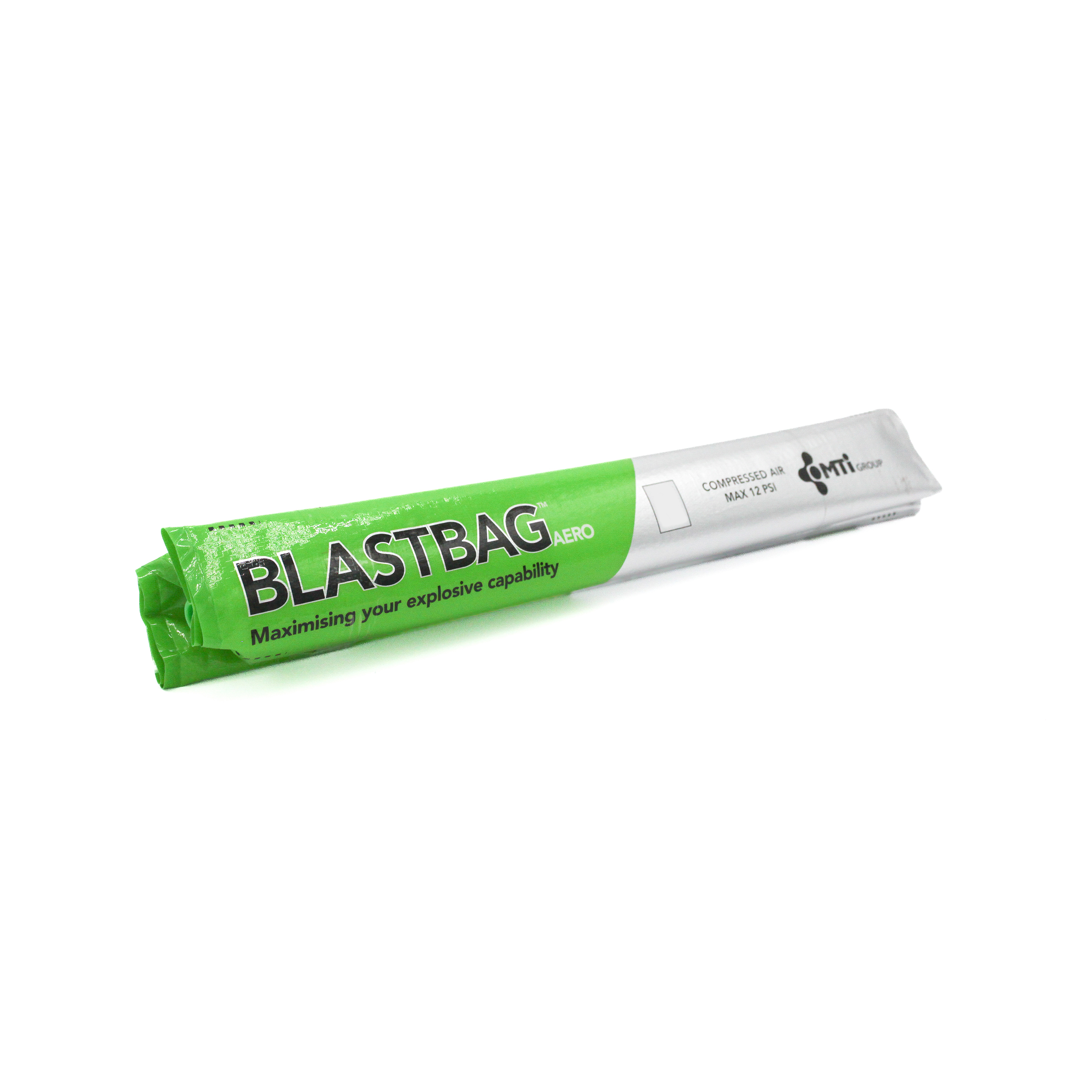
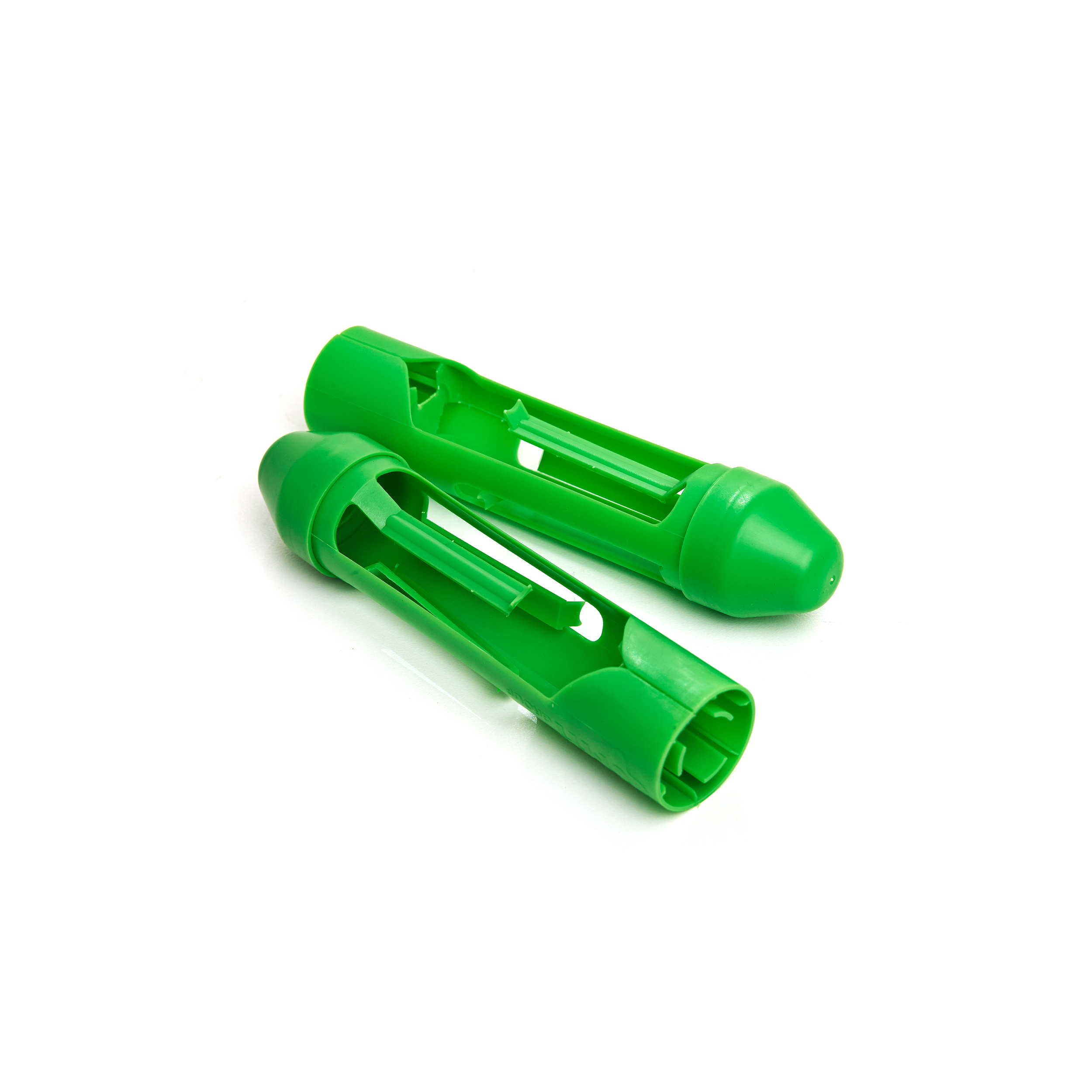
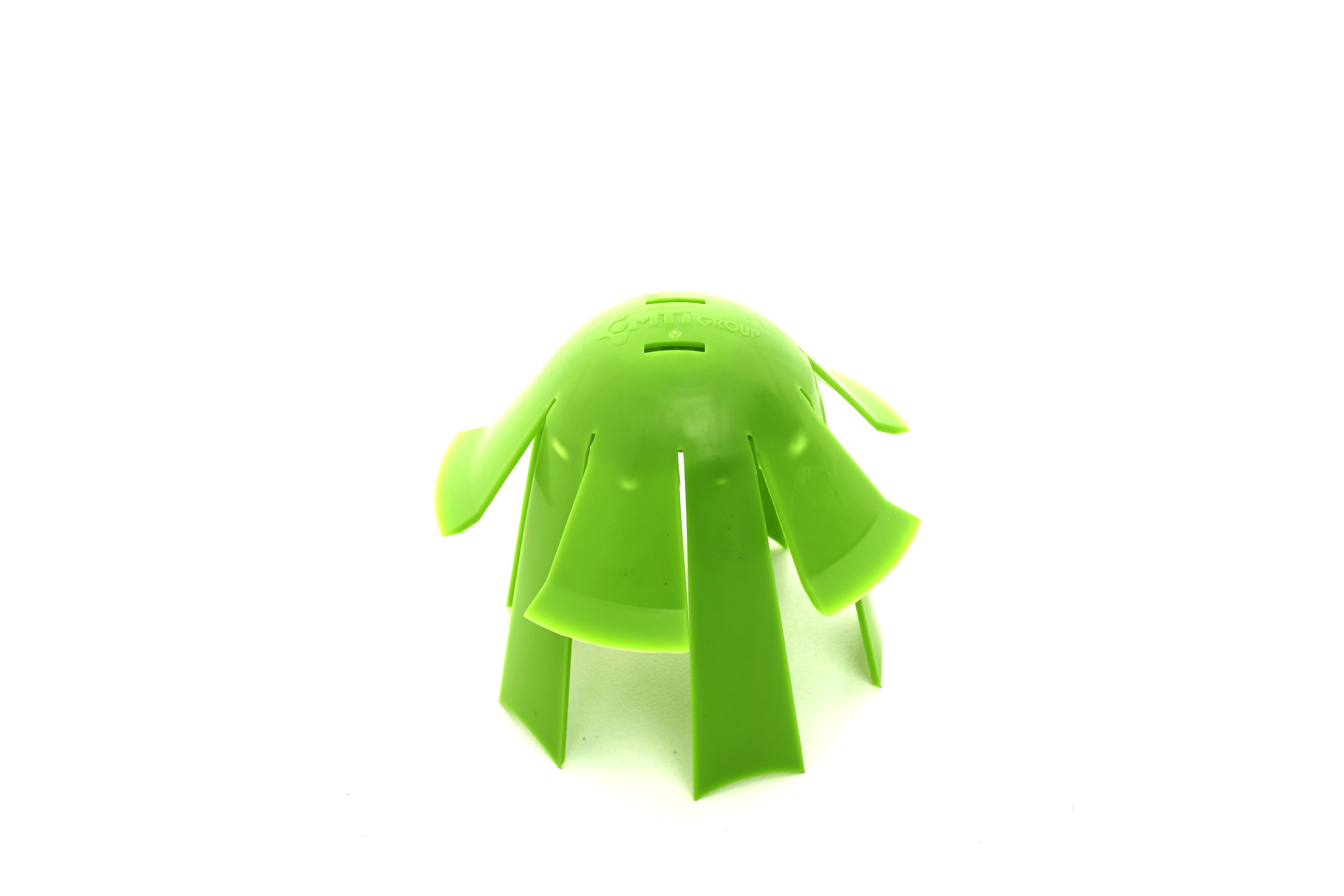
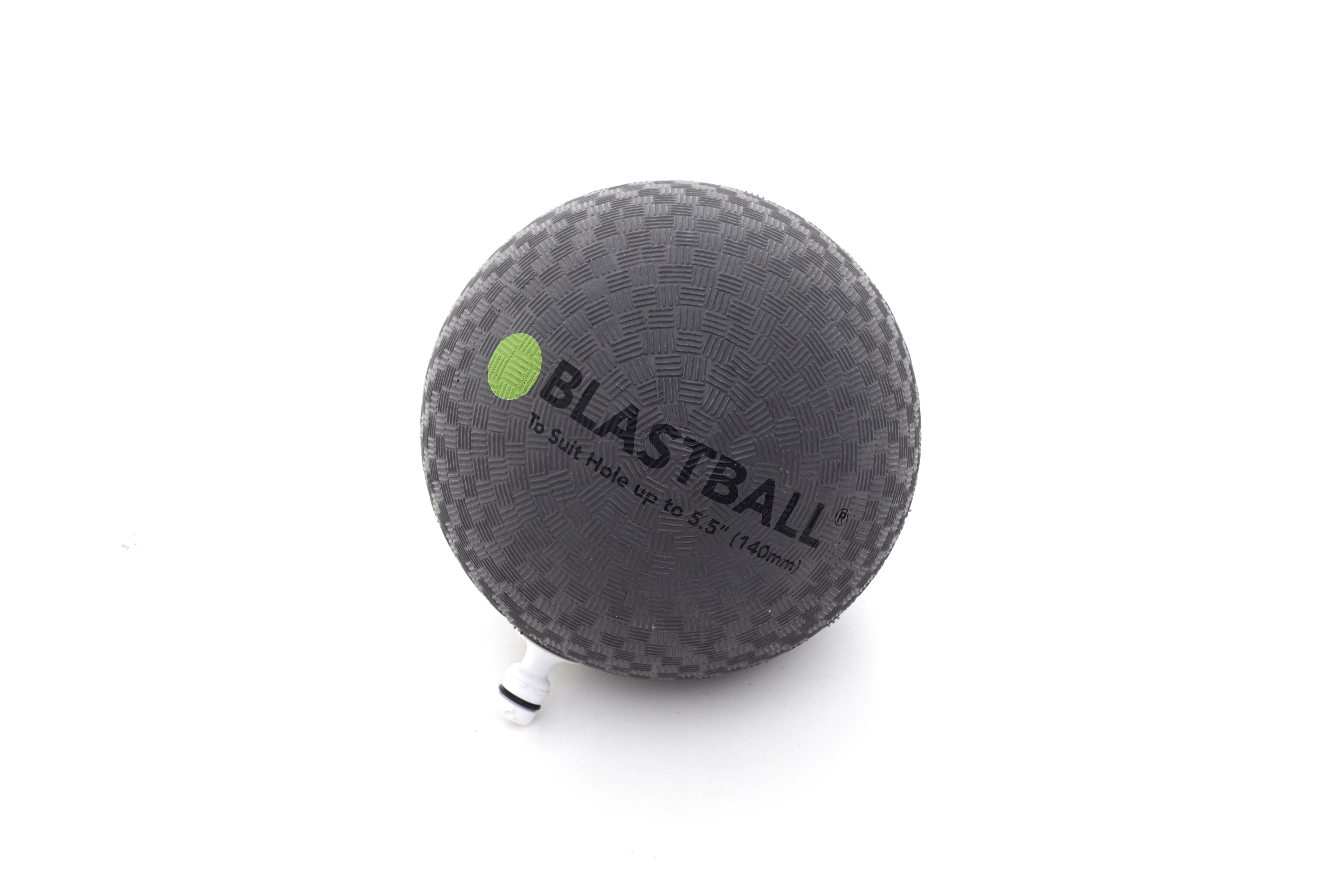
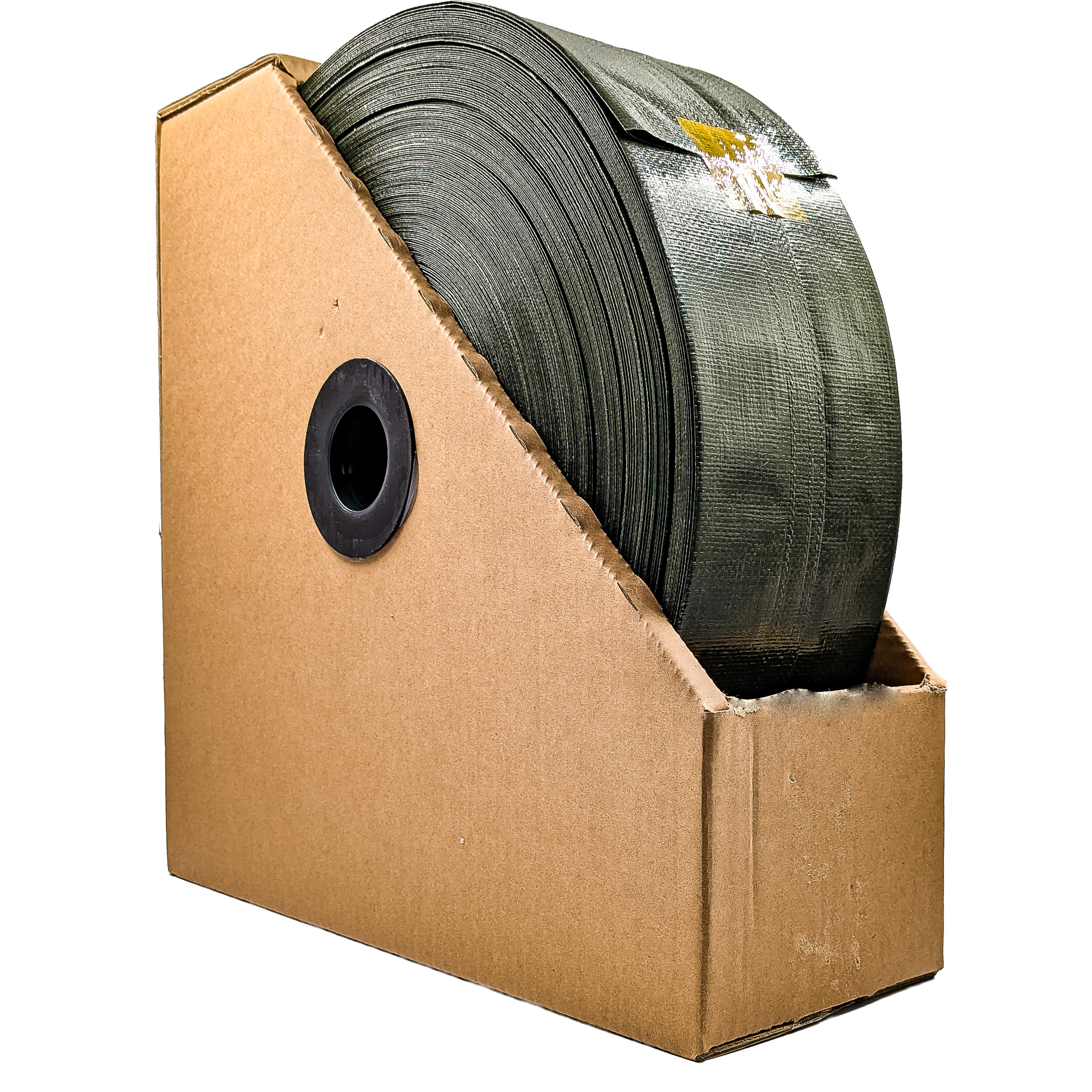
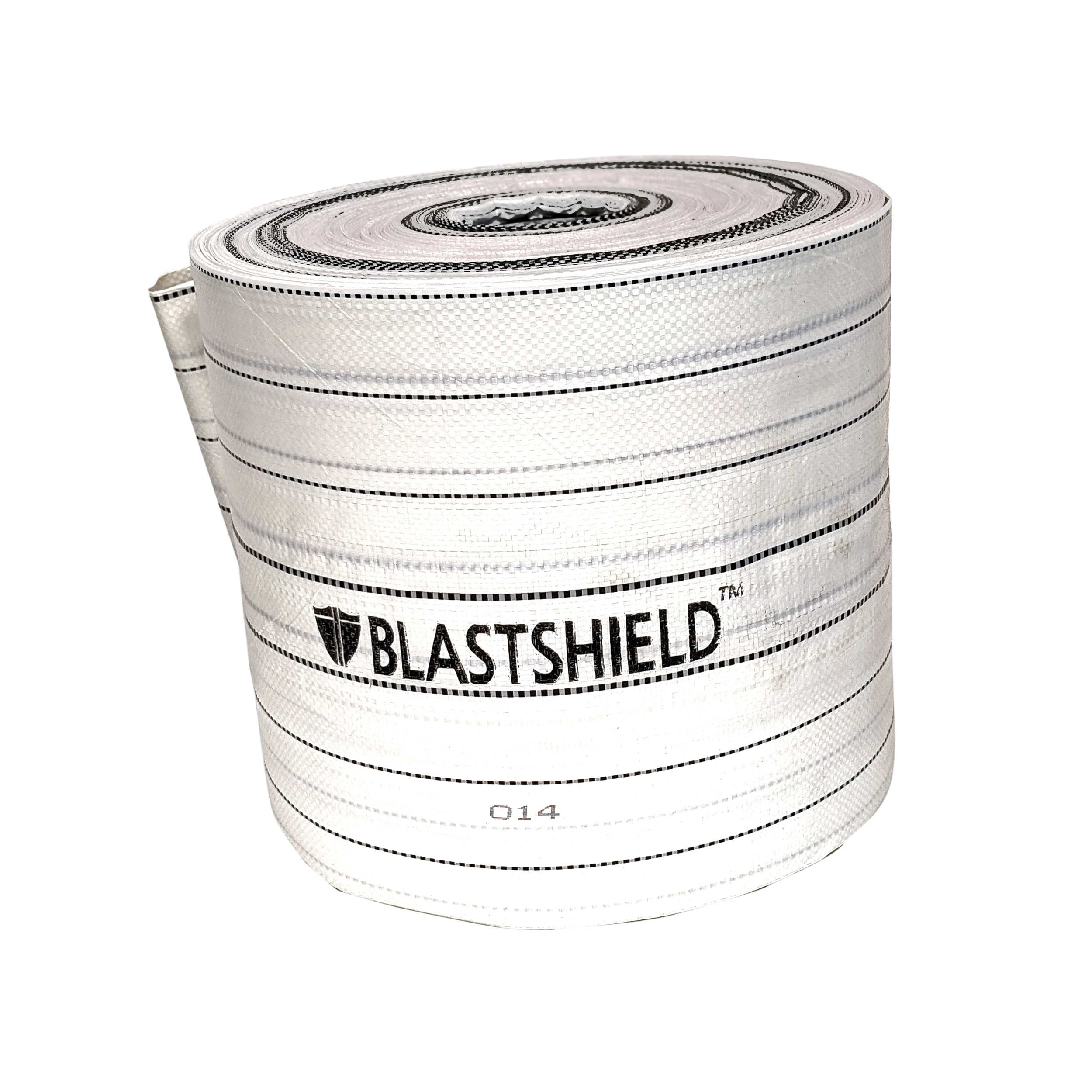
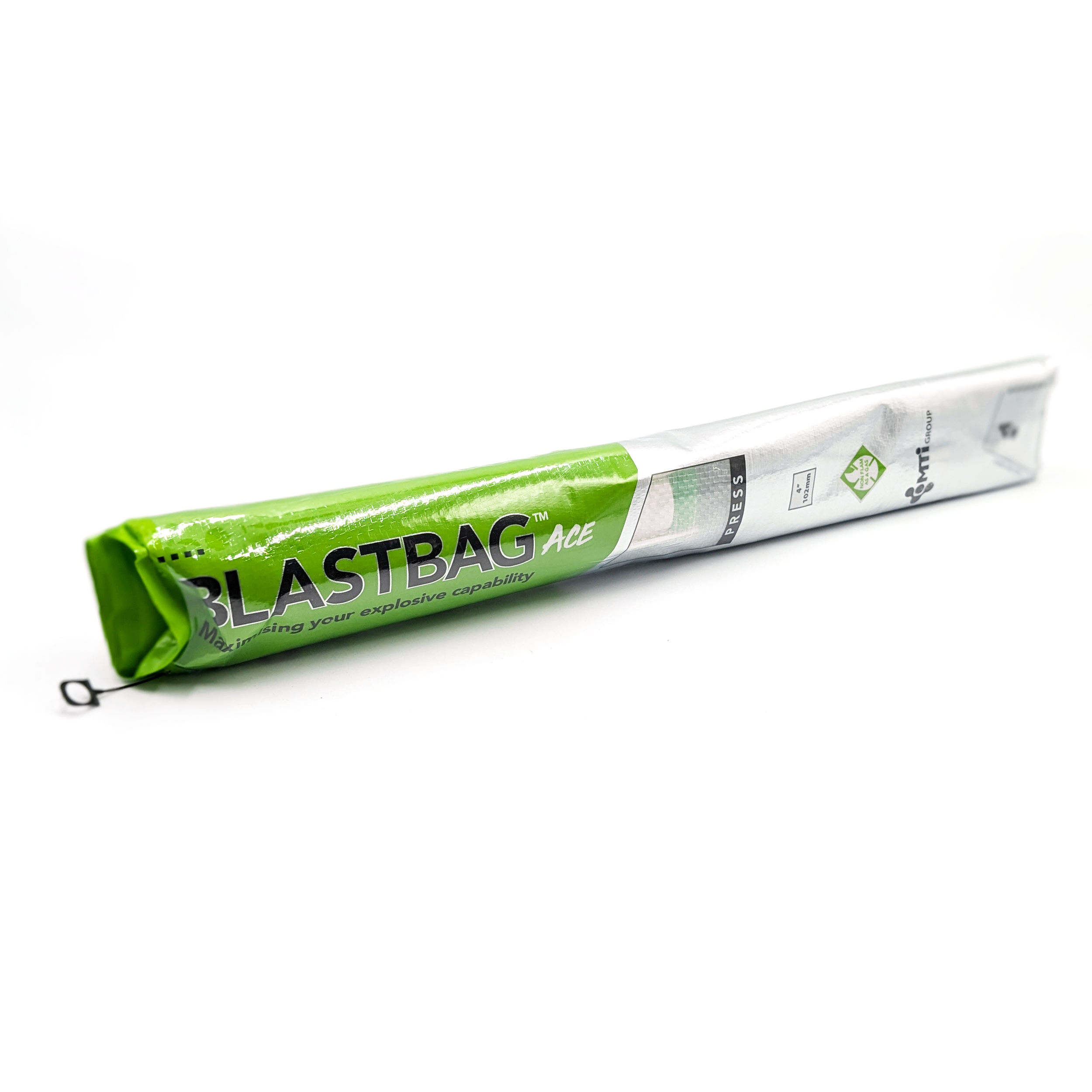
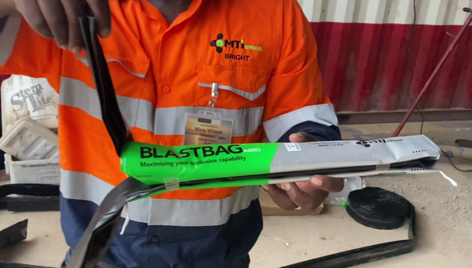
With extensive expertise in developing mechanical and stemming plugs, MTi Group offers a comprehensive rangeof solutions designed to enhance stemming efficiency. From low load-bearing options like Rockrivet to robust medium and high load-bearing Blastbags, MTi is your source for tailored blasting solutions.


Project Powered By:
Australia (WA)
Australia (NSW)
Australia (QLD)
United States
South Africa
Site links
- Home
- products
- Site Services
- Case Studies
- Contact Us
- Inflatable Plugs
- Technology
- Blasthole liners
- In-hole accessories
- Bench accessories
- Delineation
- Inflation Equipment
- Measuring
- products
- Site Services
- Case Studies
- Blastbags
- Blastscout
- Blastshield
- Spiders