








_trans_2500x2500.png)




















.jpg)

.jpg)







Reducing highwall damage
Background
The Challenge
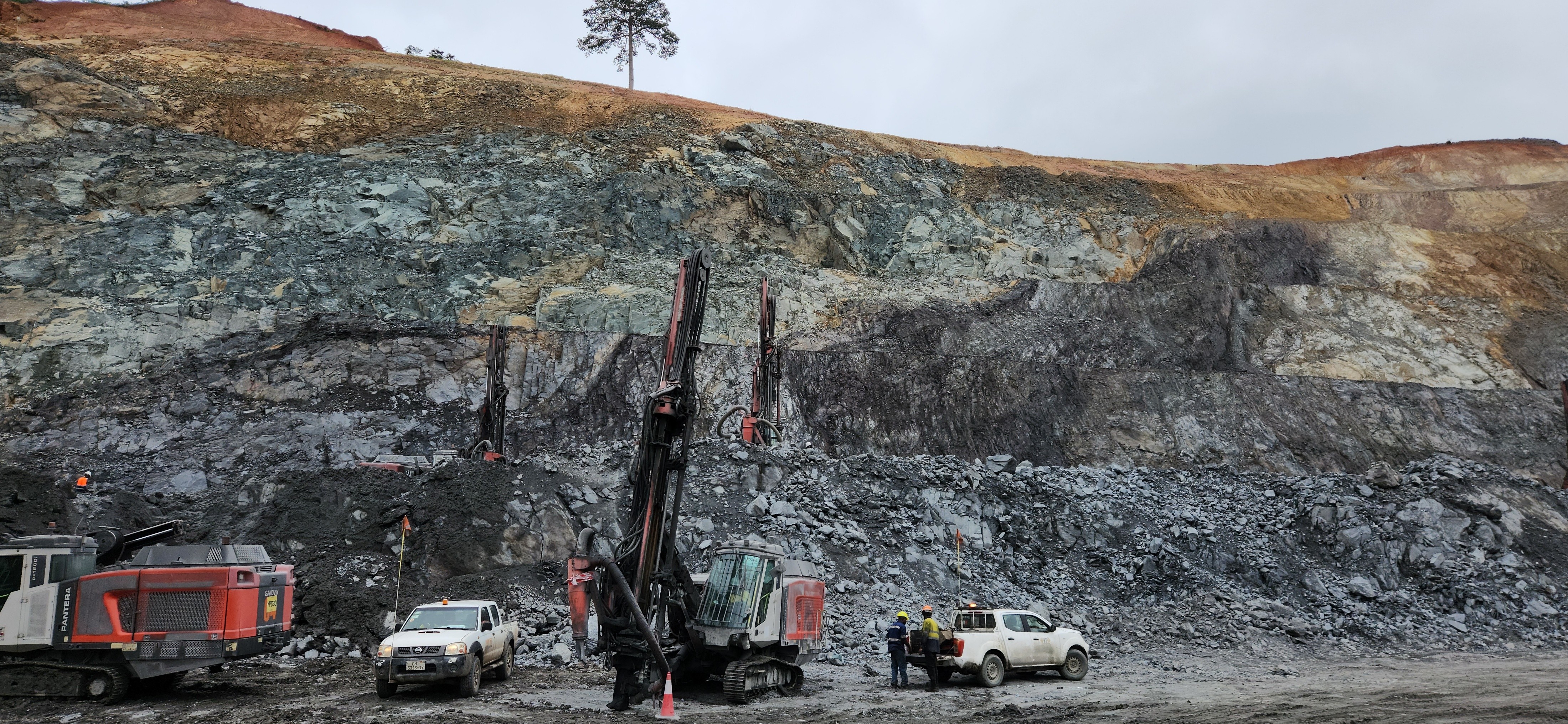
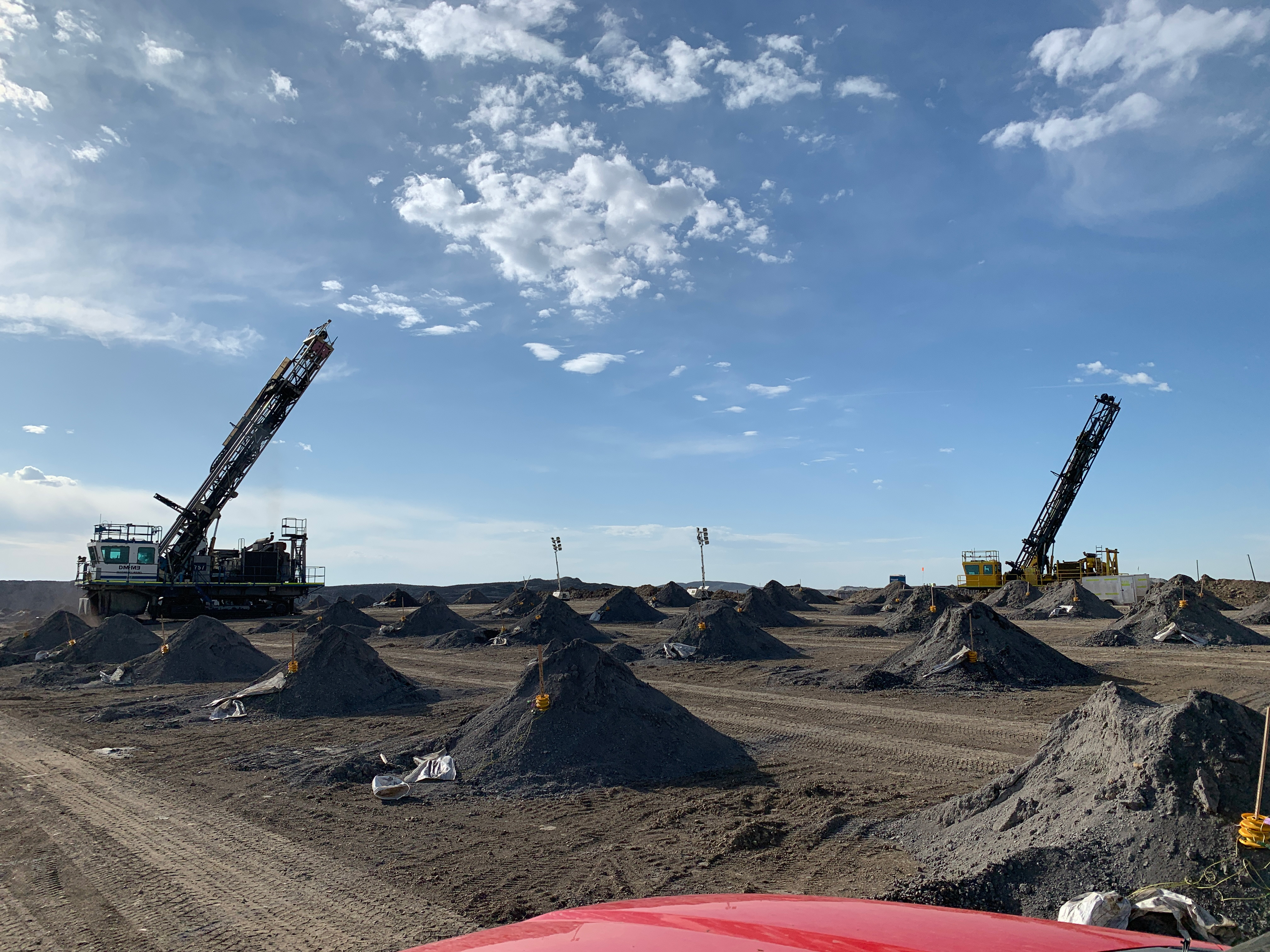
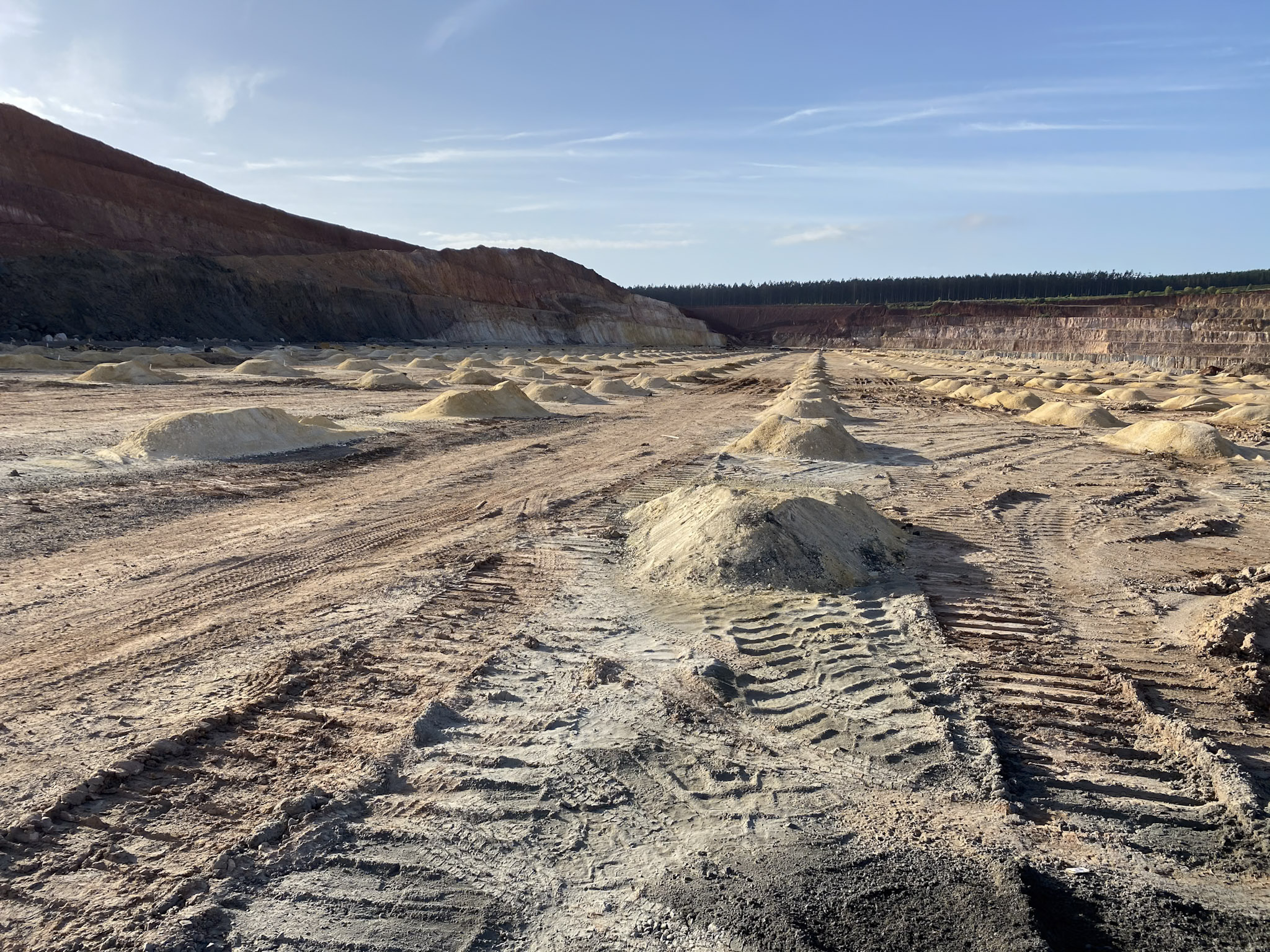
The condition and stability of final pit walls in deep open pits are critical to the safety of personnel and to the overall economies of the life of mine through the final waste to ore ratio. Instability or damage to final pit walls can result in expensive cutbacks or ore being left behind, as well as exposing mine workers to rockfall and slope failures when working on lower benches. With an ethos for continuous improvement, this open-cut gold mine sought to minimise near field damage when blasting against the final pit wall. Consulting with the explosives supplier and MTi Group the mine site reviewed its existing trim blasting techniques. In a conventional blast the mine would use reduced charge weights in the trim row; this would involve reducing the number of explosives and increase the amount of stemming in the rows directly adjacent to the final pit wall. In a 9m hole, the confined charge design, would consist of 1m of explosives(30kgs) and 8m of gravel stemming above it. Despite utilising this common technique, damage in the pit walls was regularly observed in the form of cracking, overhang and loose rocks which could be viewed from toe to crest along the entire bench indicating unsafe conditions.
The Solution
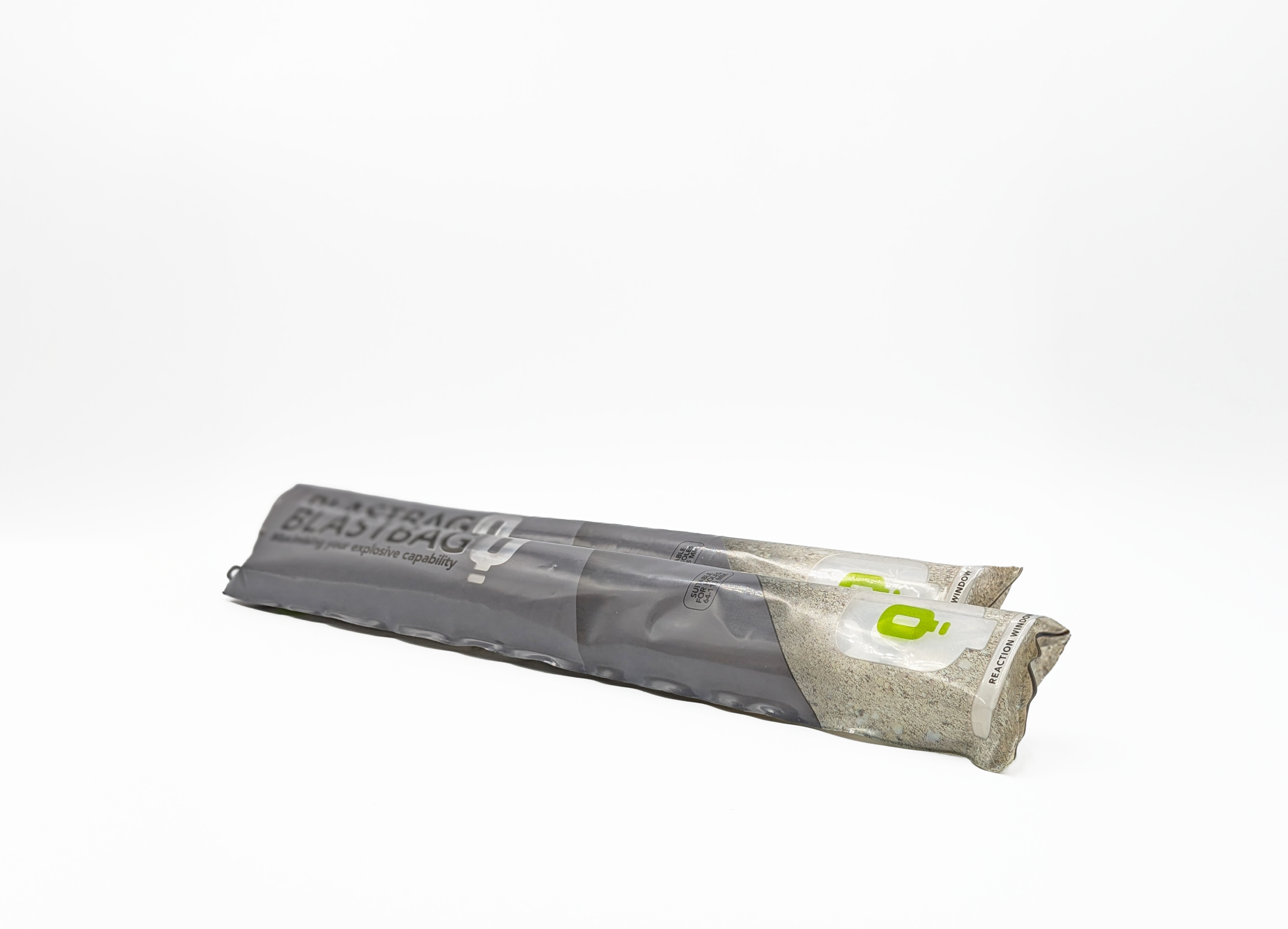
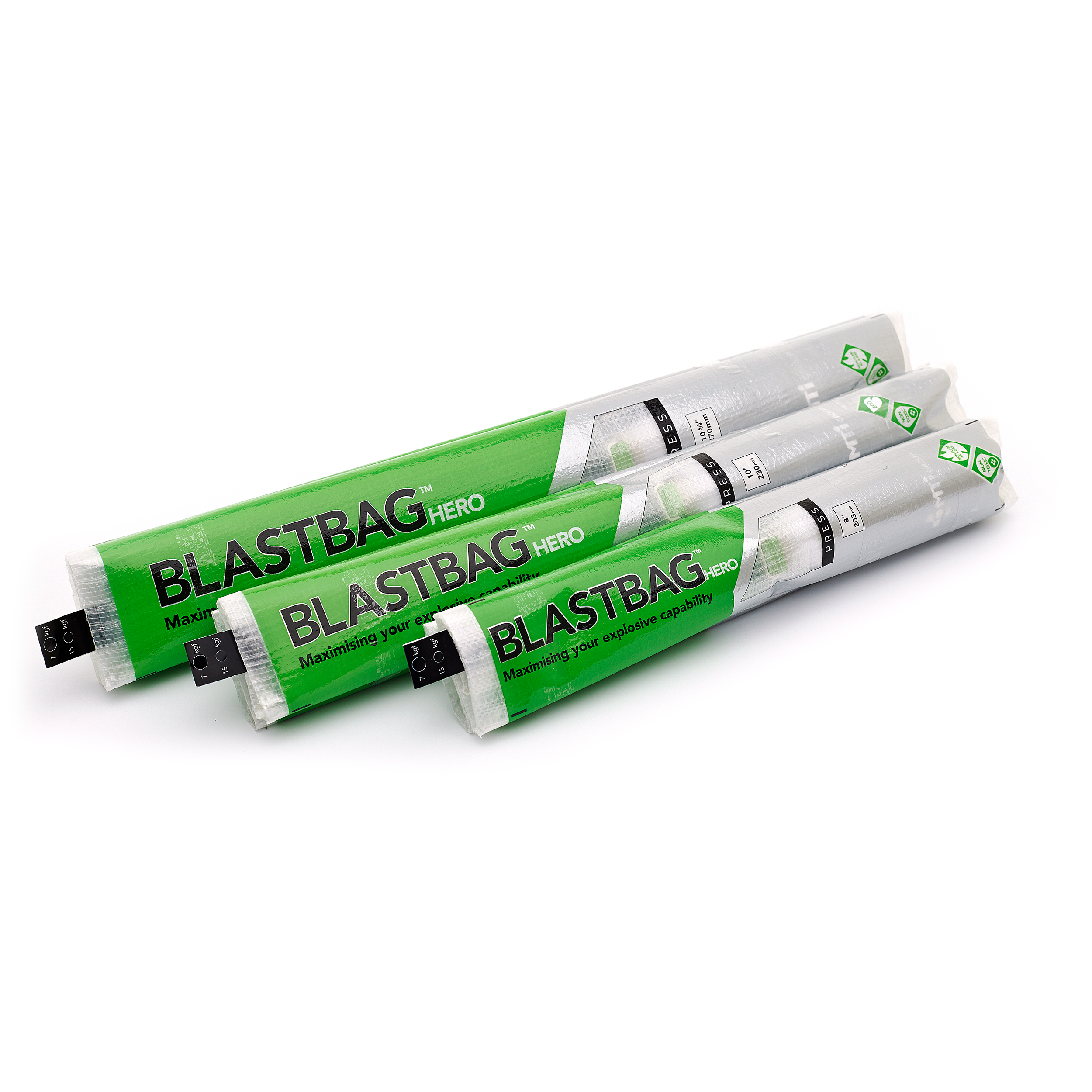
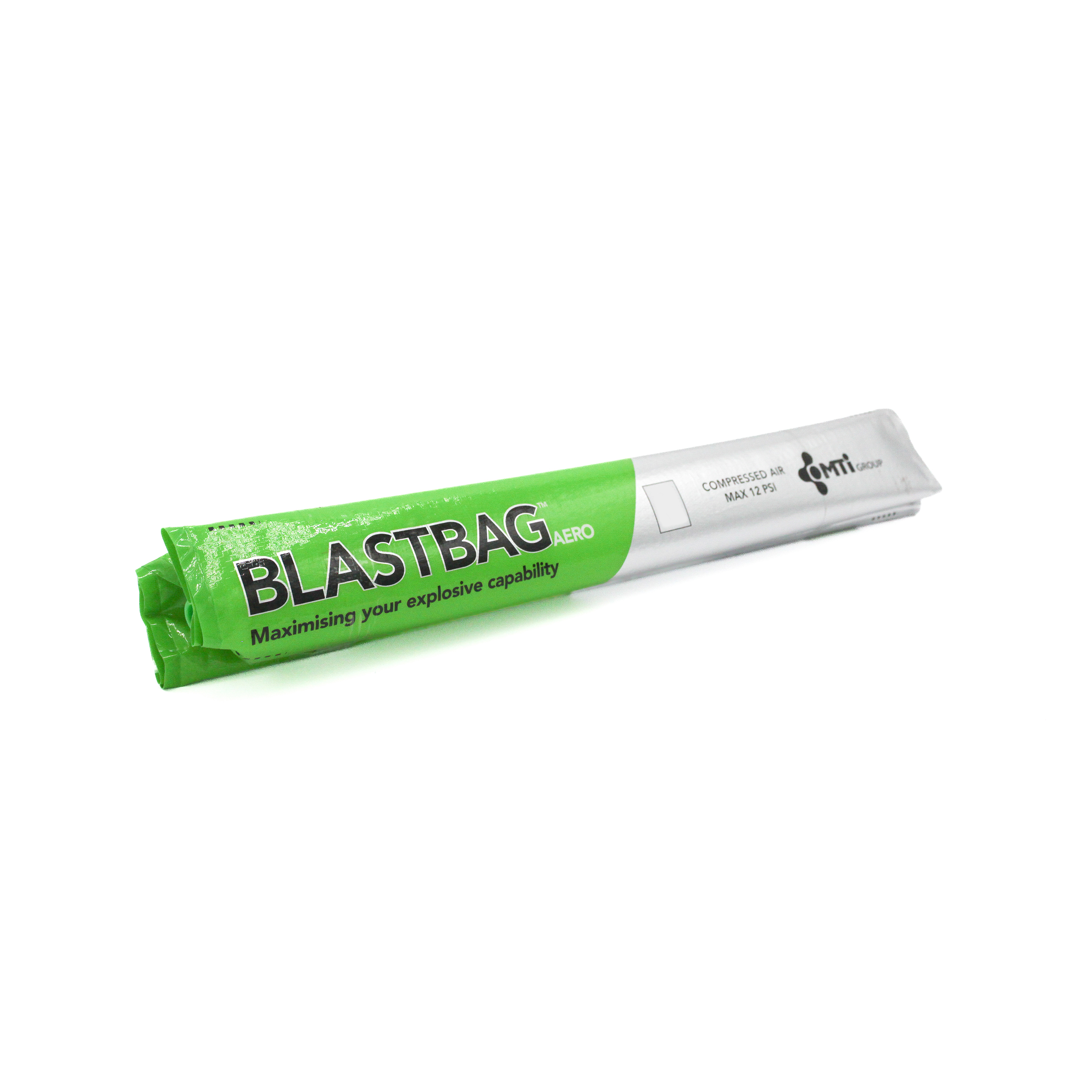
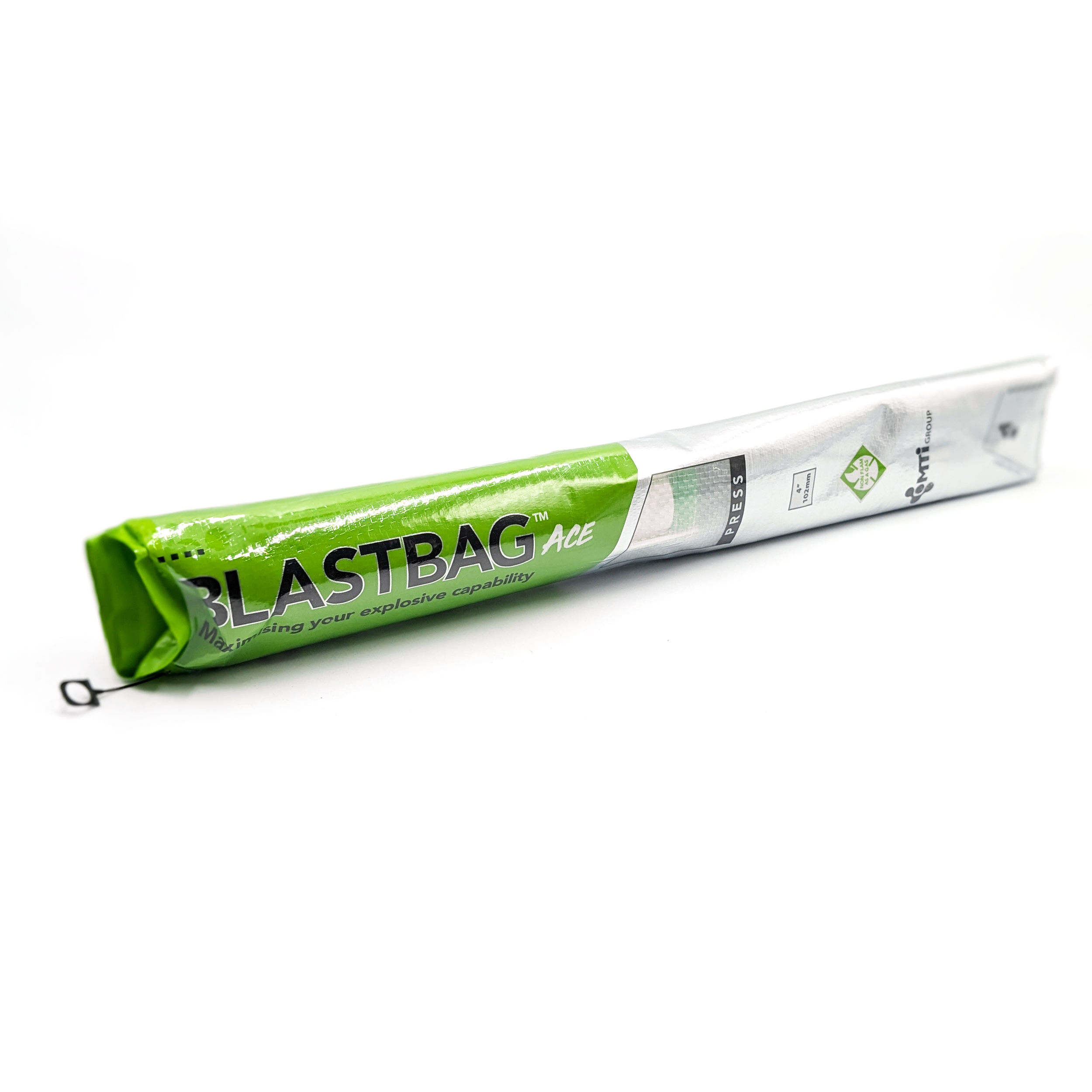
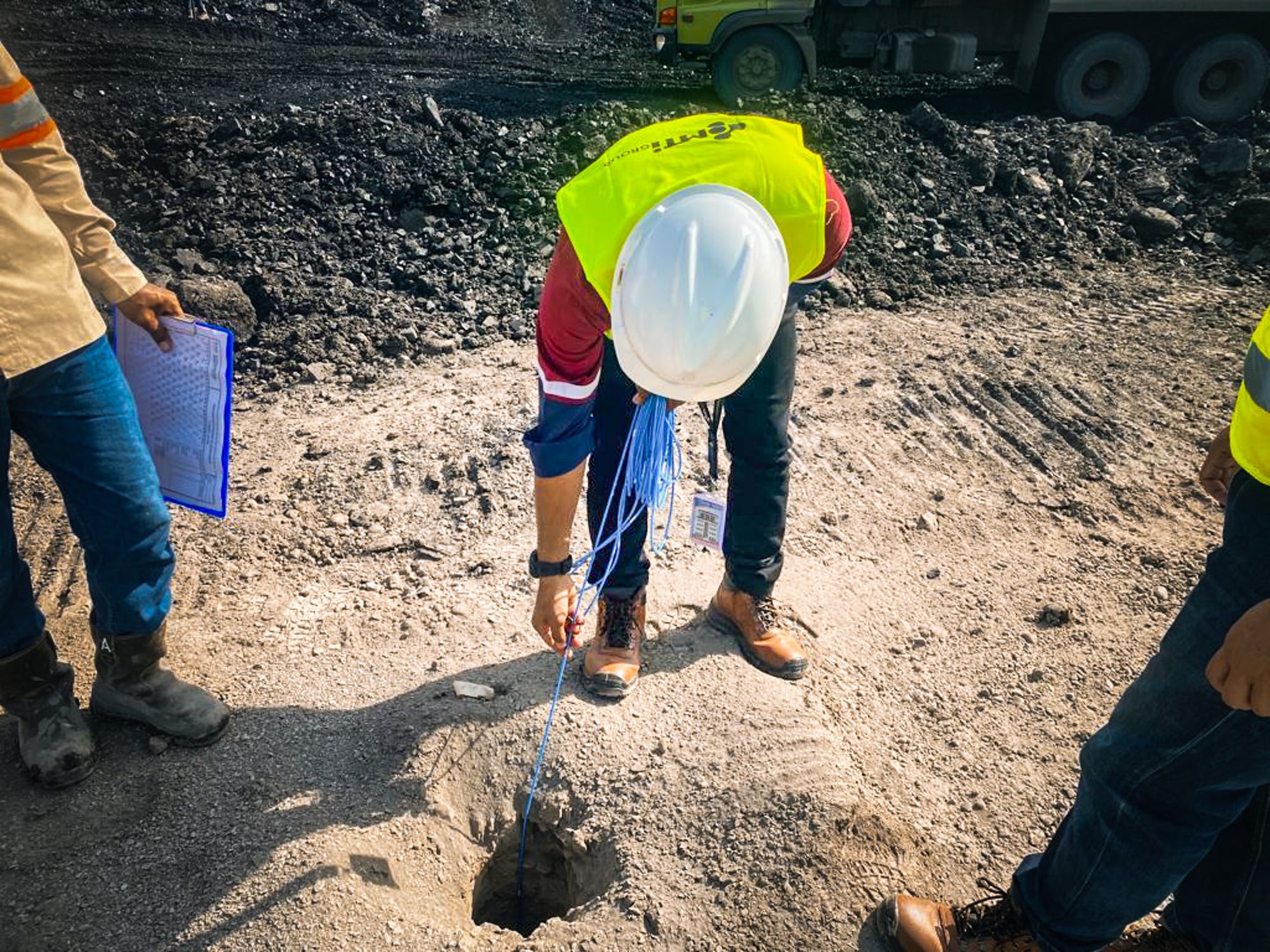
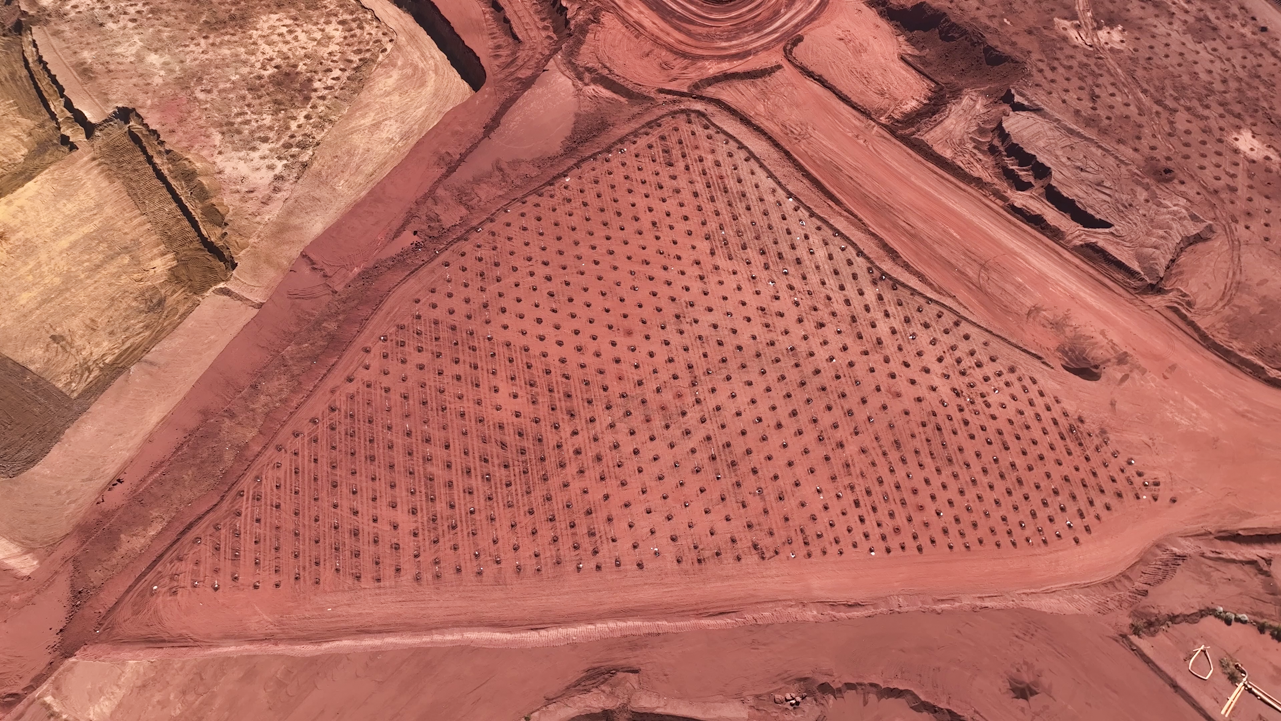
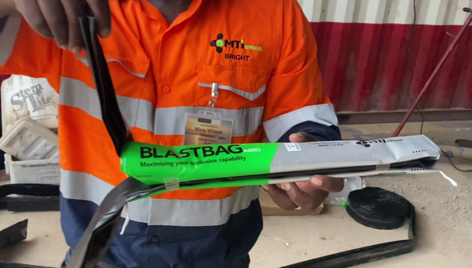
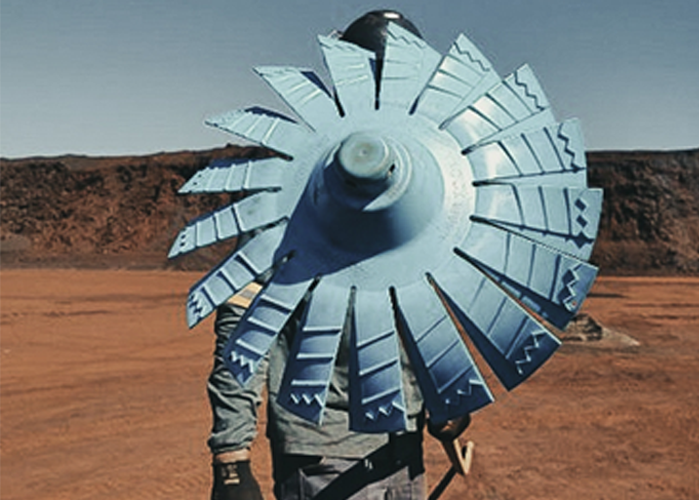
To reduce the damage created by the confined batter charges, air decks were introduced by way of self-inflating BLASTBAGTM gasbags which were lowered into the borehole creating a gap between the explosive and stemming column. By creating an air deck, this technique allowed the explosive gases to expand in the hole, resulting in a more even energy distribution and a reduction in the force exerted by the gas on the cracks in the rock mass. For this trial, the mine site maintained the same charge weight of 30kgs/1m in the 9m blasthole with the addition of a gasbag introduced at the 2m point (2m below the collar) creating a 6m air gap from the top of the explosives. Gravel stemming was then placed on top of the gasbag in the upper 2m of the blasthole.The trial blast was located on pit level C which was located directly below the control blast(pit level B).
The Result
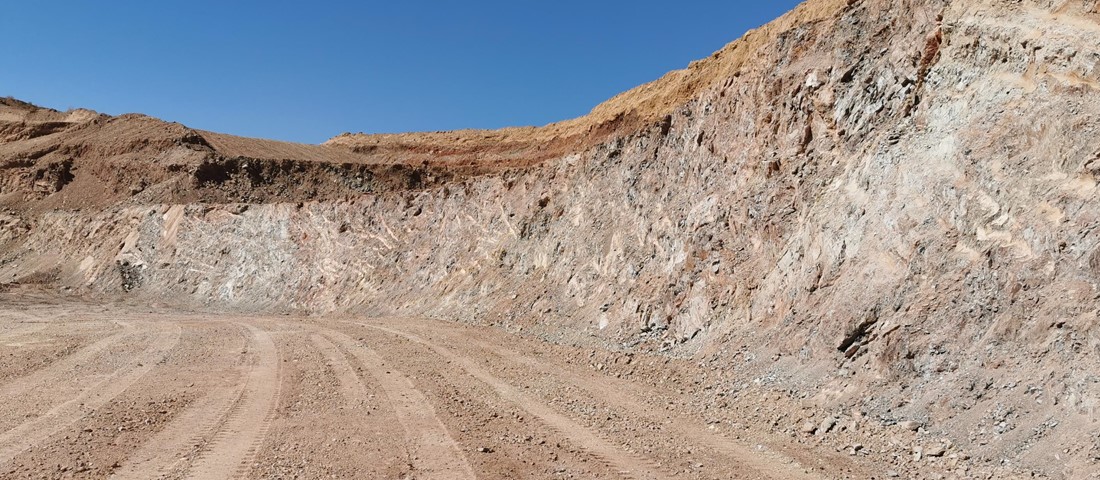
On completion of the trial blasts, the mine site team observed no cracking beyond the batter row which they directly attributed to the use of airdecks. This was further confirmed after digging and cleaning occurred, where it was noted that the pit walls had a much smoother appearance in comparison to previous results using the conventional blast design. Both observations pointing to a reduction in blast-induced damage.Upper and lower benches were also compared, showing the effects of existing damage. It was observed that wedge failures in the past in the upper benches(which used the confined blast technique) did not propagate onto the lower bench (using air decking). Suggesting an ability for subsequent benches to achieve stability in spite of previous practices in the past.
One particularly important benefit that resulted from the use of gasbags was the ability to have more control over the blast outcome. The improvement in the distribution of explosive gas energy allowed the mine to reduce damage to the pit walls. this in turn allowed them to minimise "damage to walls" as a contributing factor to variations in their blast plan. By increasing the accuracy in their shots and reducing the influence of any variables the miner was able to achieve a level of control that was not previously possible.optimising blast plans in order to achieve final bench and pit designs.

Project Powered By:
Australia (WA)
Australia (NSW)
Australia (QLD)
United States
South Africa
Site links
- Home
- products
- Site Services
- Case Studies
- Contact Us
- Inflatable Plugs
- Technology
- Blasthole liners
- In-hole accessories
- Bench accessories
- Delineation
- Inflation Equipment
- Measuring
- products
- Site Services
- Case Studies
- Blastbags
- Blastscout
- Blastshield
- Spiders