







_trans_2500x2500.png)


















.jpg)

.jpg)







Ore Loss & Dilution
Background
Ore loss and dilution in blasting occurs when the muckpile displacement is too intense or when waste material mixes with valuable ore or when ore is sent to the bottom of the pit, making it hard to recover it. As a result, mining and processing costs rise and the amount of recoverable ore decreases—significantly impacting overall profitability.
Dilution and ore loss can result from a range of factors, including inaccuracies in the block model, complex orebody geometry, boundary uncertainties, or inefficient blast design.
The Challenge
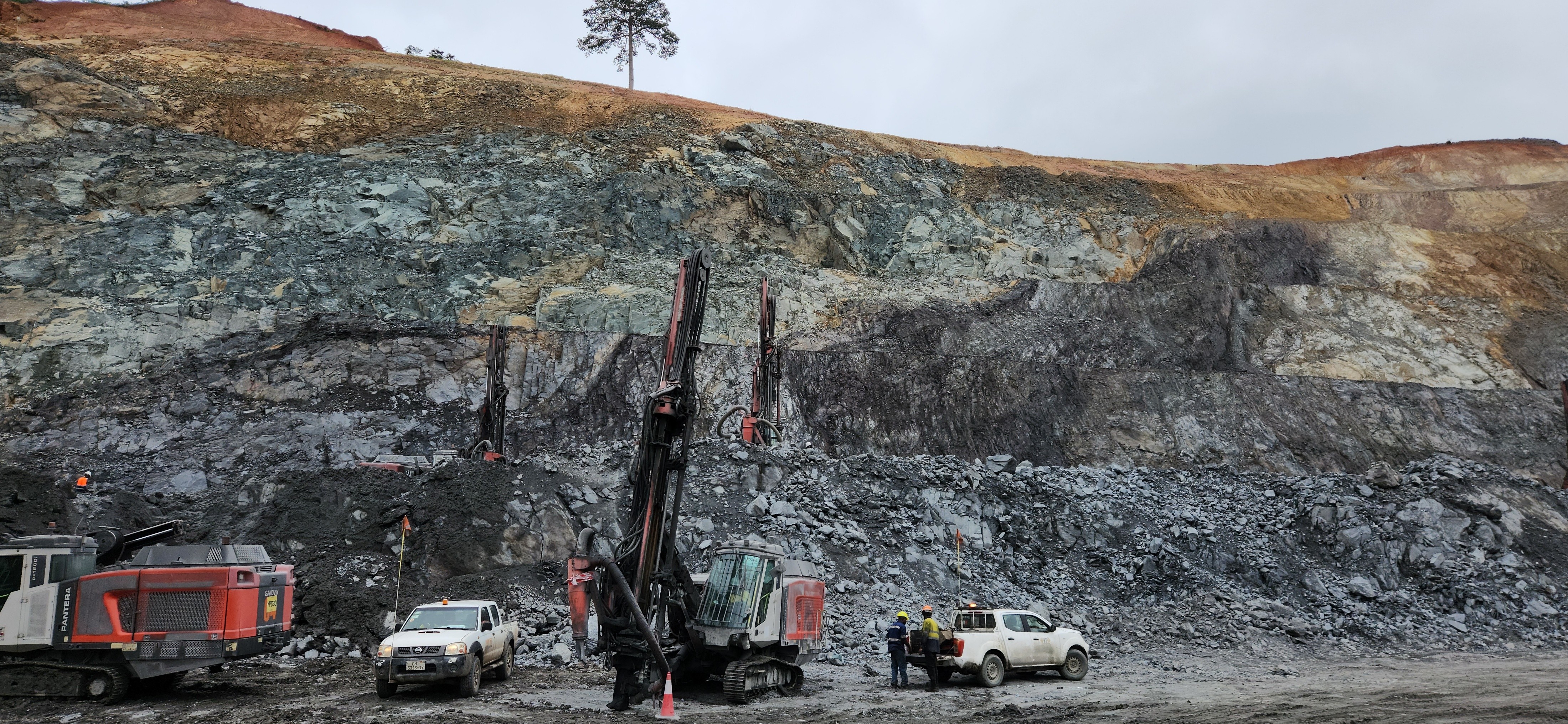
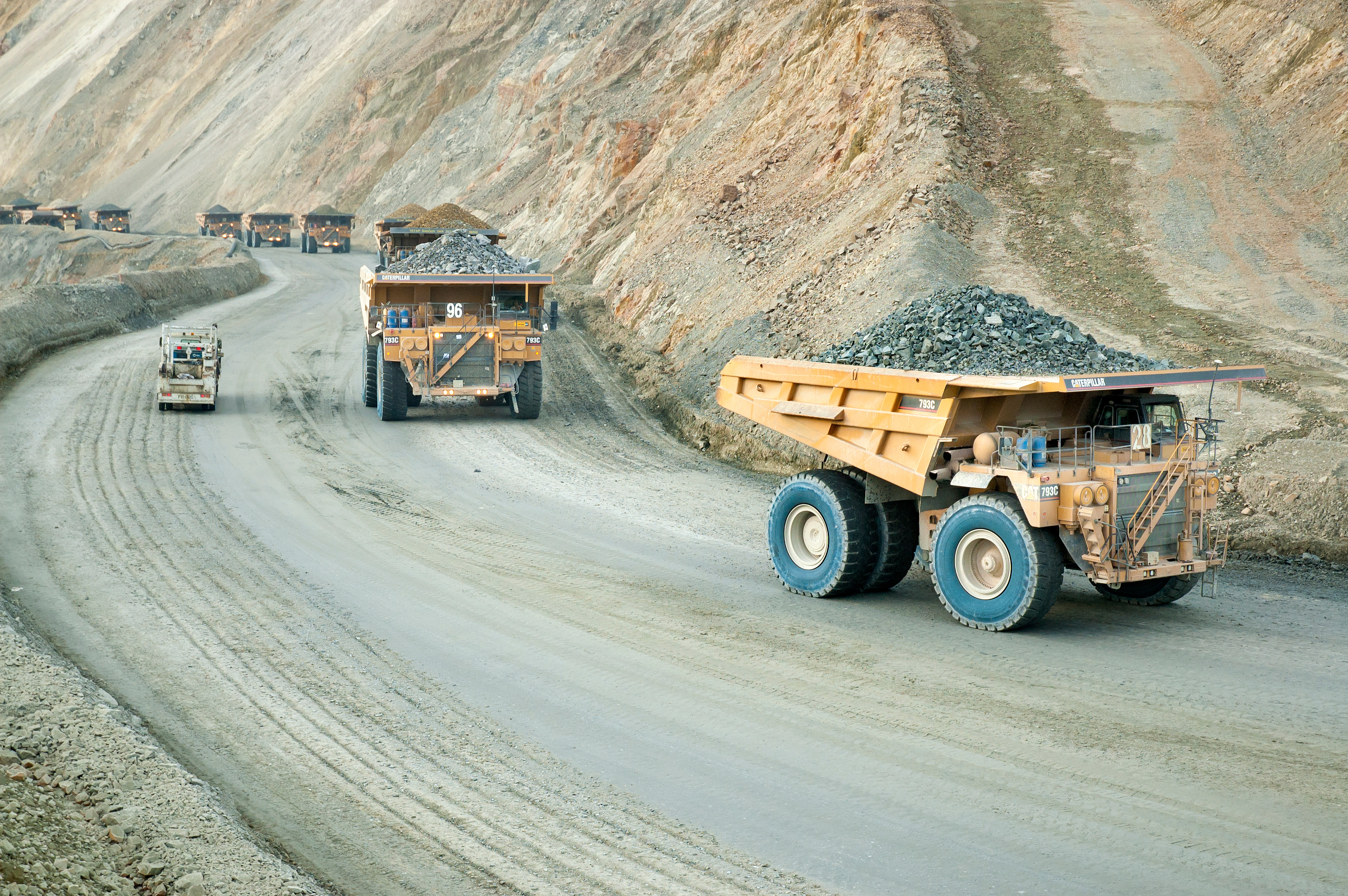
High in the Andes Mountains lies a copper operation, producing over 400,000 tonnes of copper annually, established over 100 years ago the mine is located in a very complex geographic environment with a very long and steep pit profile.
With increasingly steeper and narrow benches, controlling ore loss is key to its profitability. In this terrain it is not uncommon for blasted material to spill over the bench causing ore loss and blocking ramps and accessways. For this and other reasons this particular project set out to tackle several blasting-related issues, including:
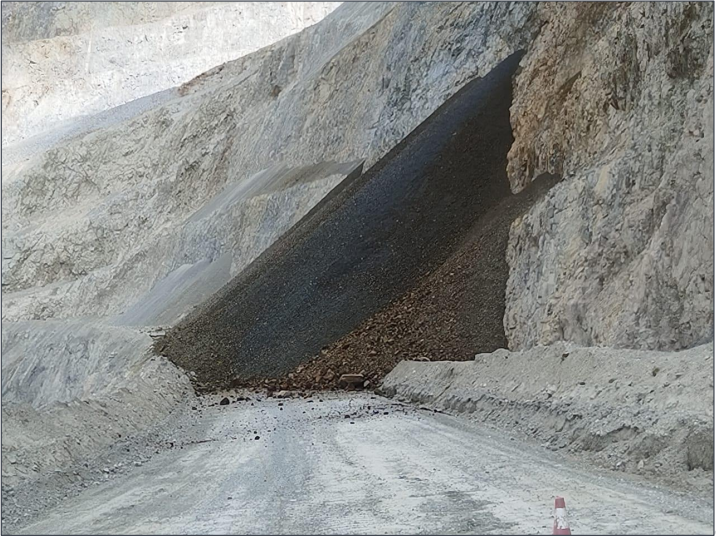
- Minimising muckpile movement during blasting. On numerous occasions, blasts caused ore to slide to the bottom of the pit, blocking ramps and access roads and making recovery costly and inefficient.
- Reducing ore loss during blasting. To facilitate the extraction of higher-grade ore while minimising the waste reaching the processing plant.
- Lowering drill and blast costs without compromising production—a constant goal in mining operations.
A review of current practices revealed two standout factors: There was limited control of muckpile displacement during blasting
- This increased the risk of ore being pushed to inaccessible areas, such as the pit bottom, which negatively impacts recovery rates.
- There was excessively long stemming in the blast holes which created over confinement of the explosive charge, restricting its ability to break rock effectively and wasting energy/resources.
These findings suggested that if better control of the blast could be achieved, signifcant improvements in ore recovery, dilution, and cost could follow. The proposed solution was to incorporate air decking into blast designs. By using air decks to efficiently distribute explosive energy, the design would reduce heave and limit unwanted movement.
The Solution
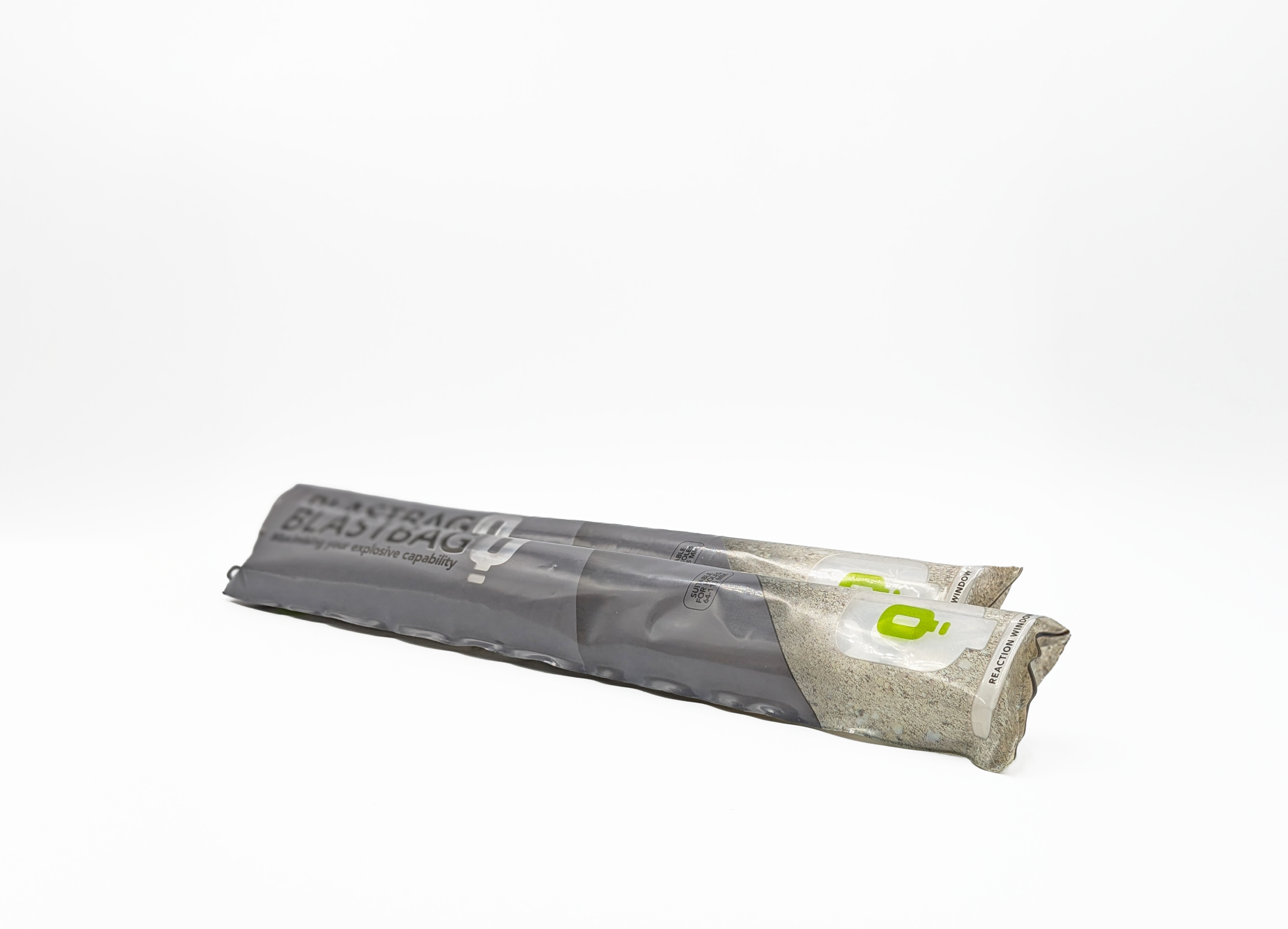
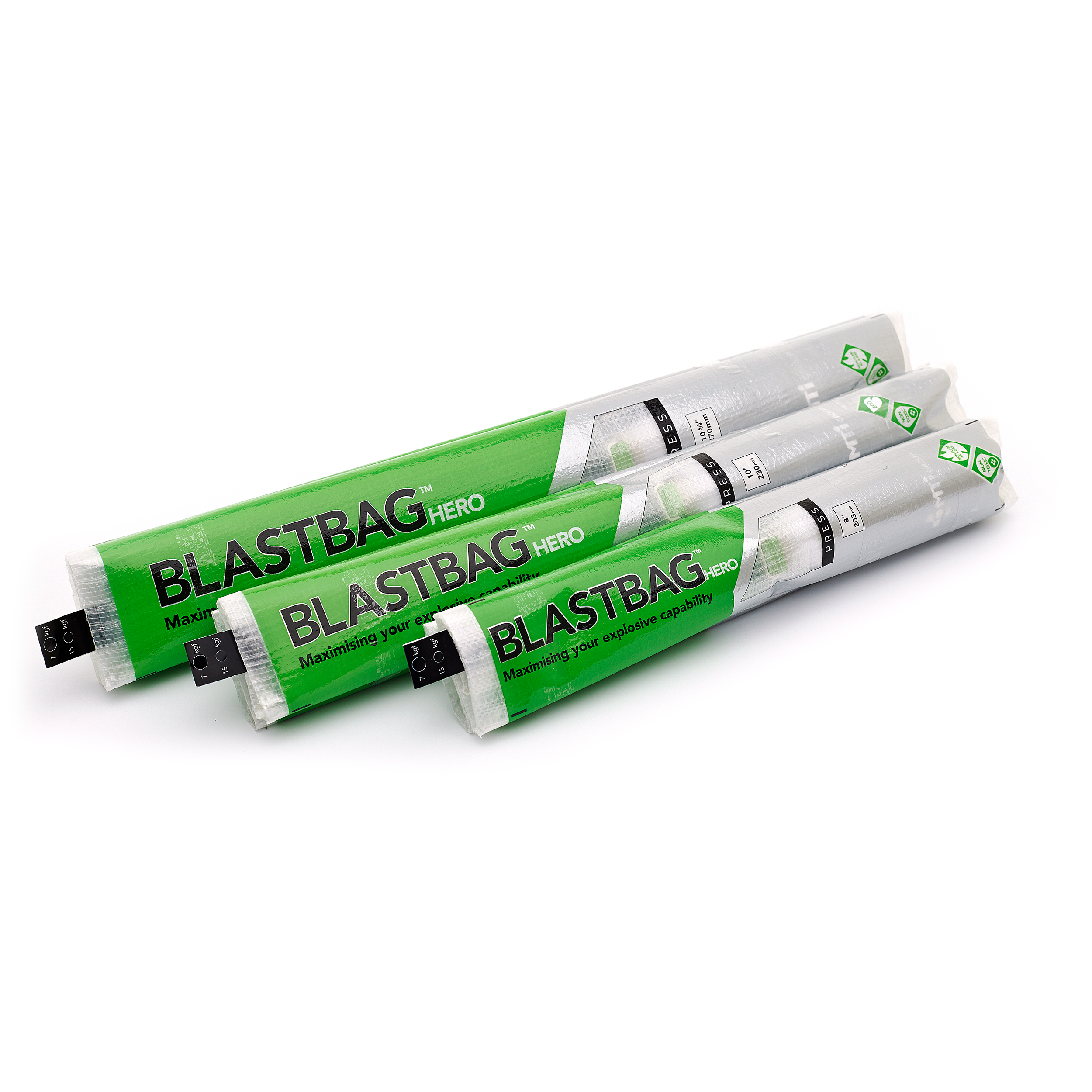
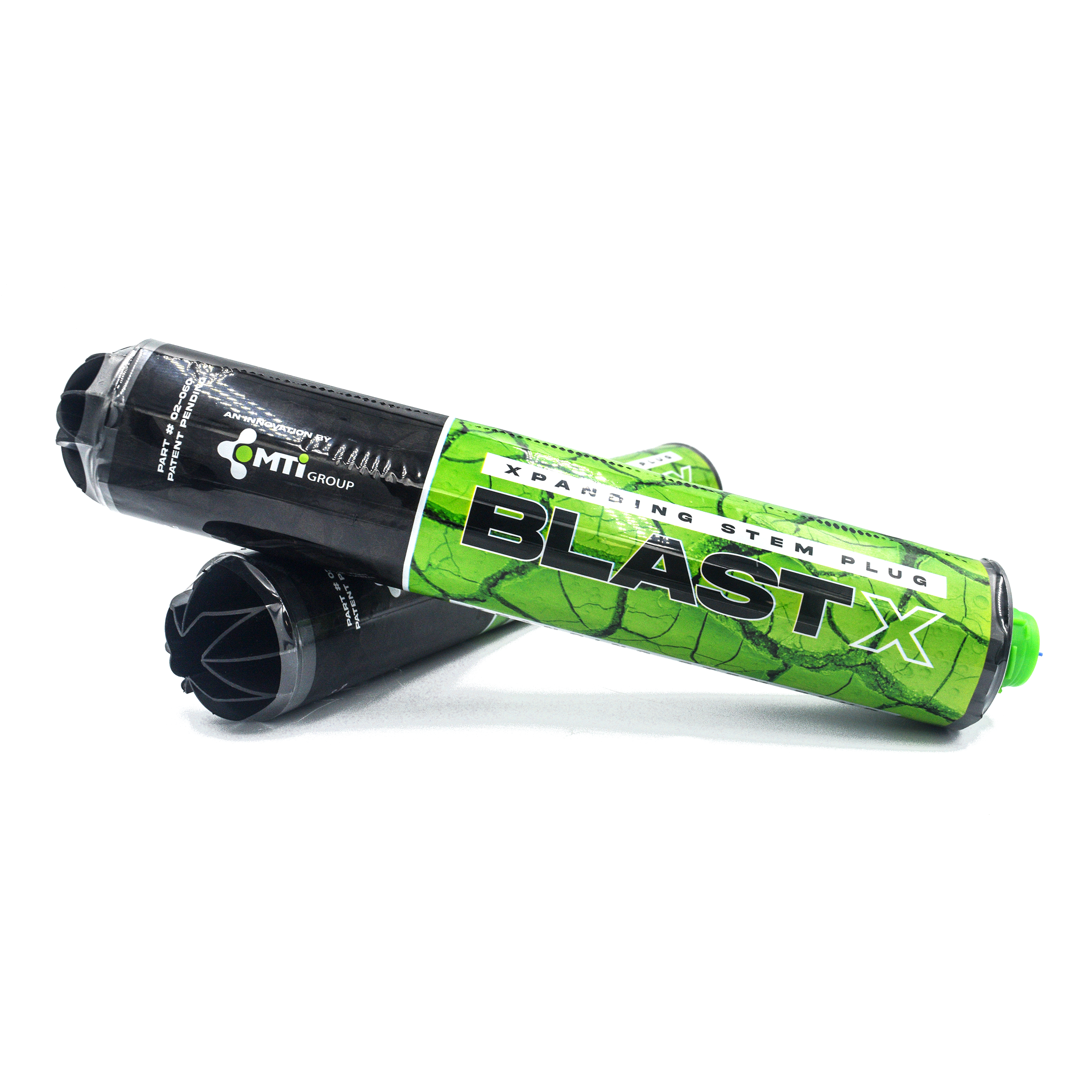
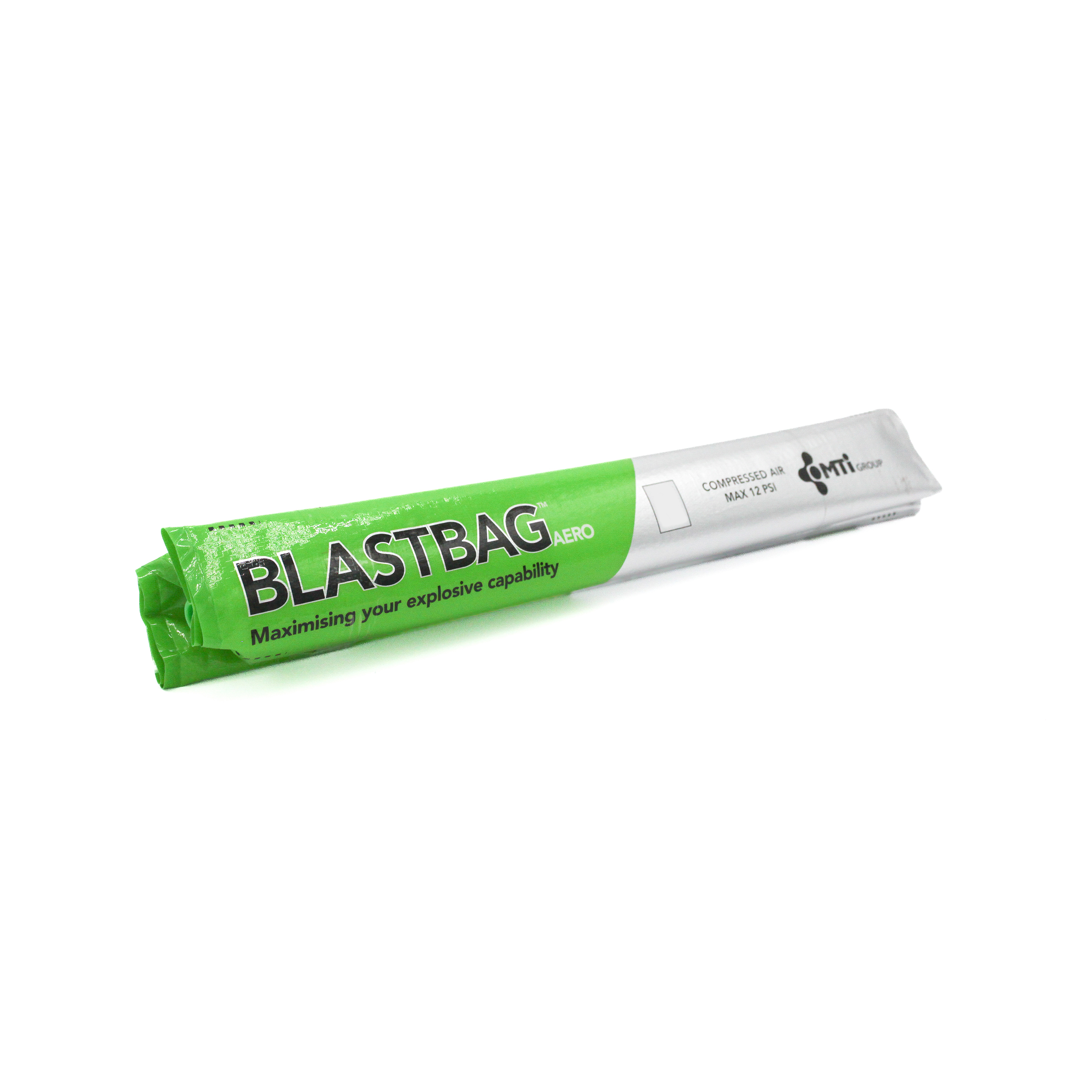
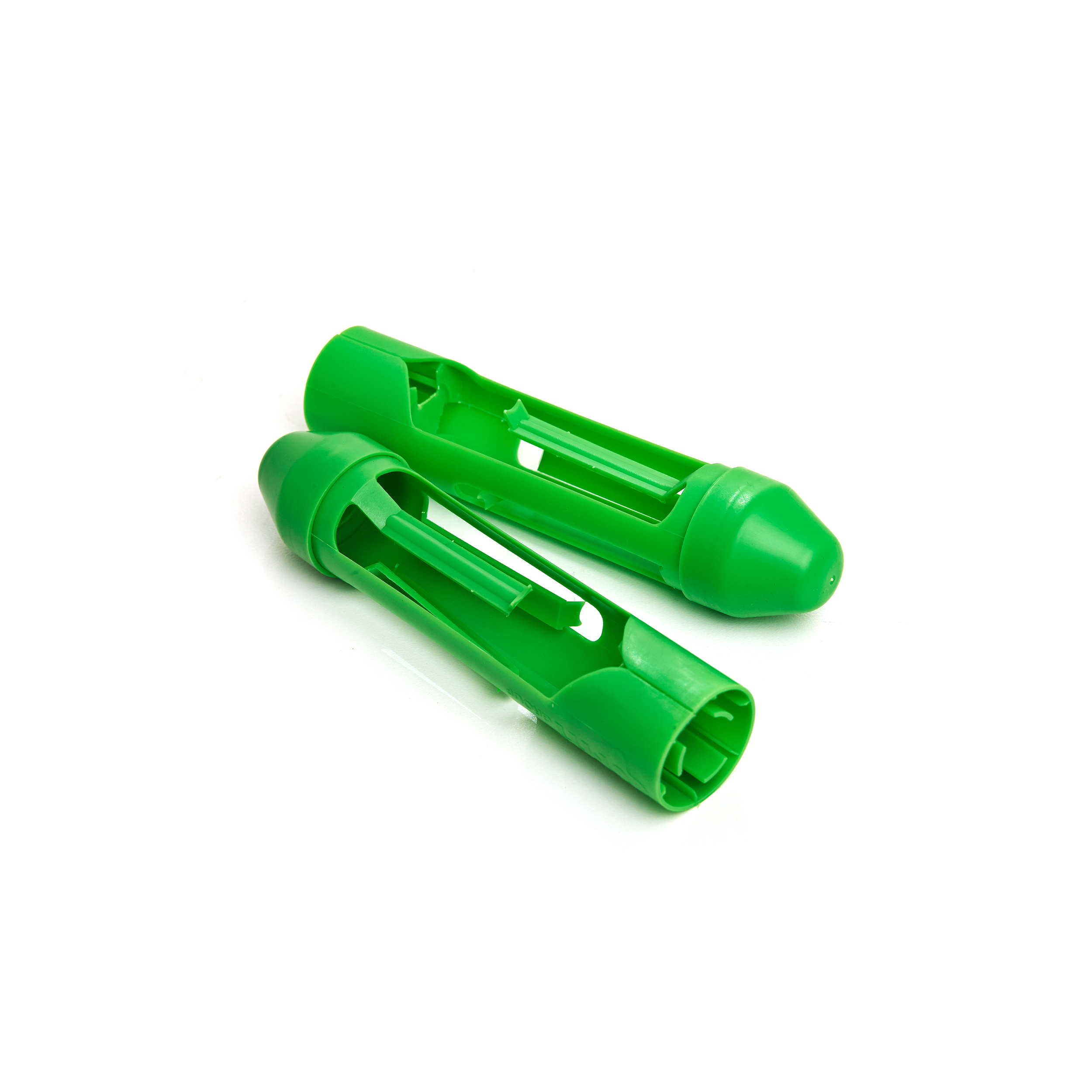
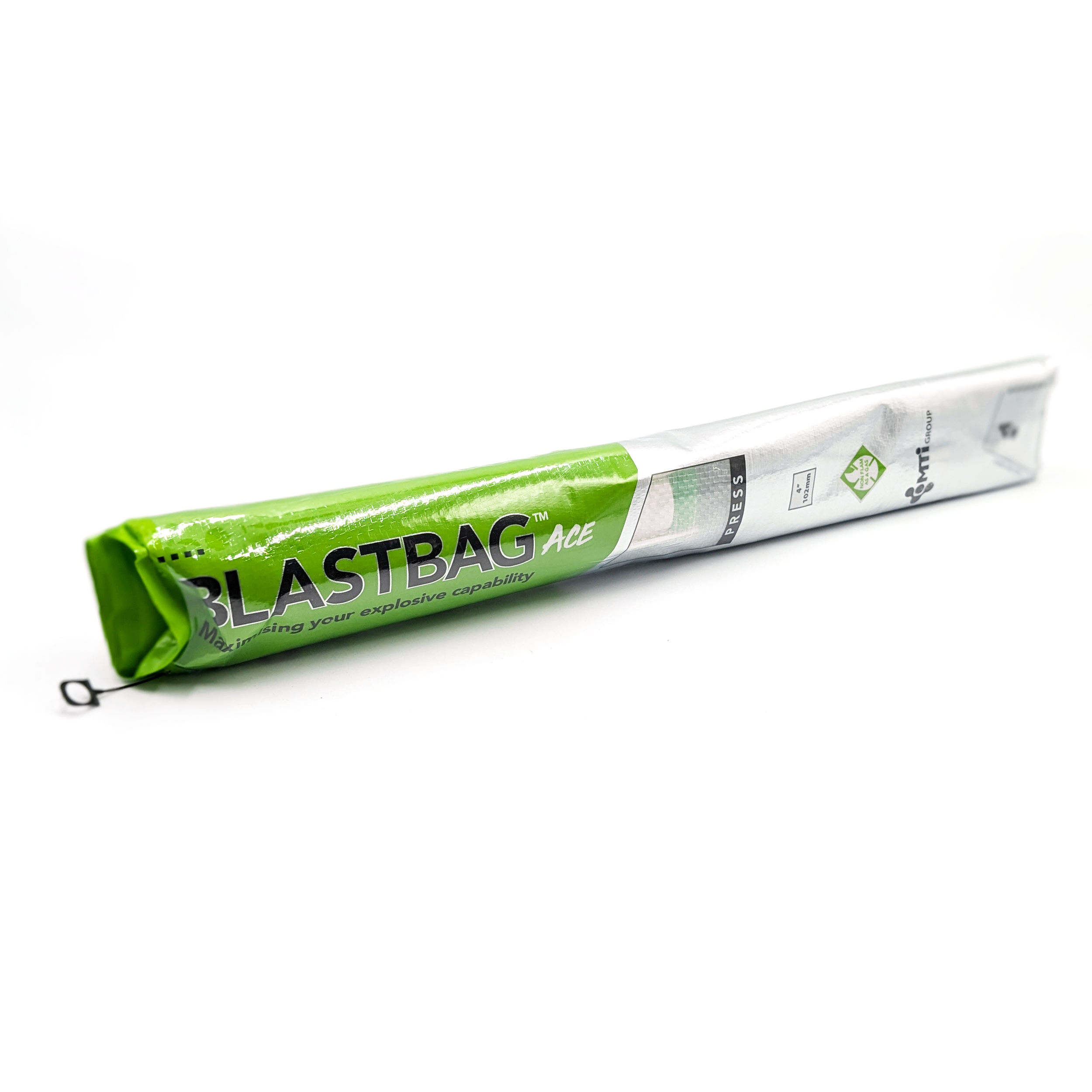
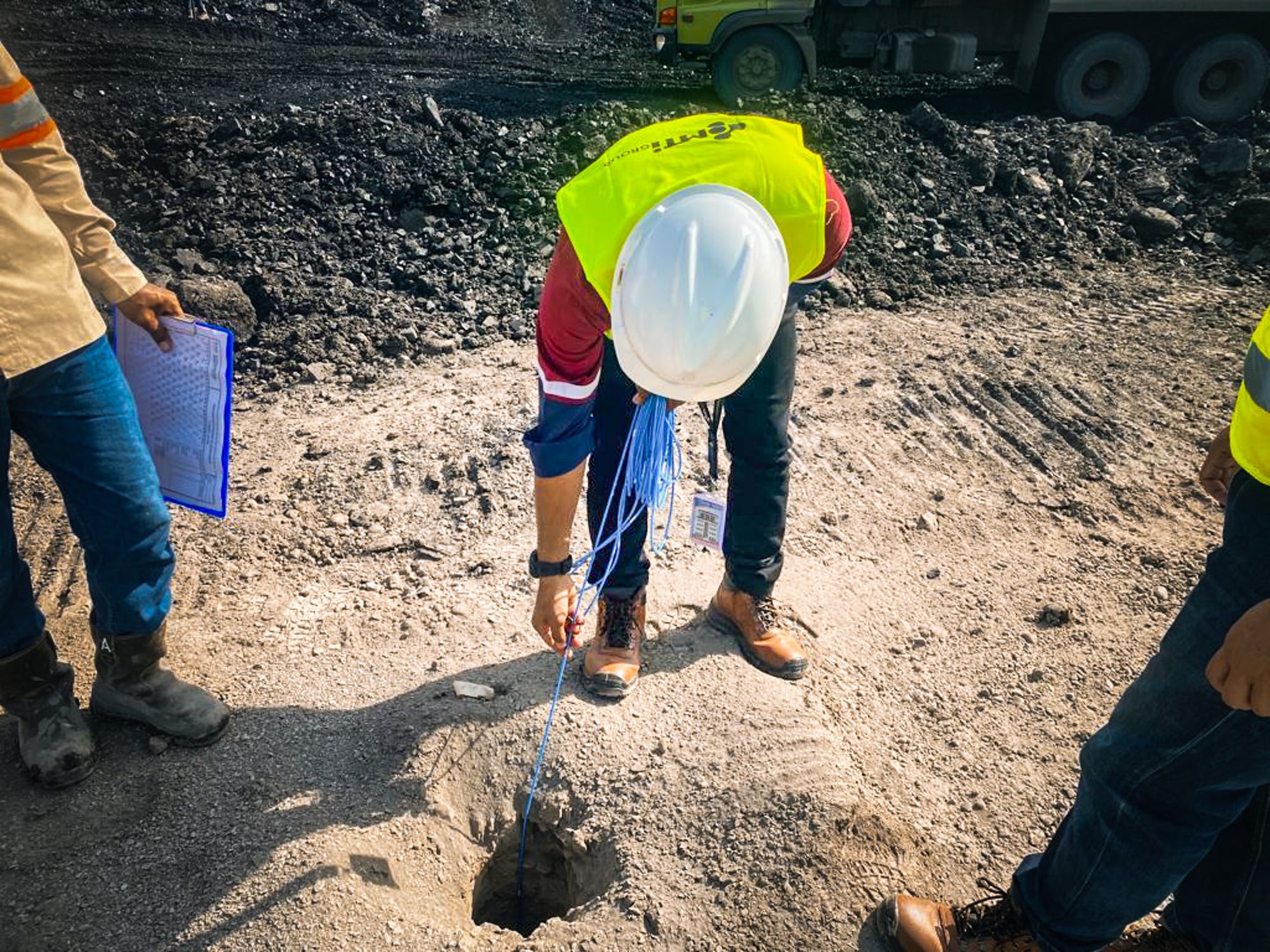
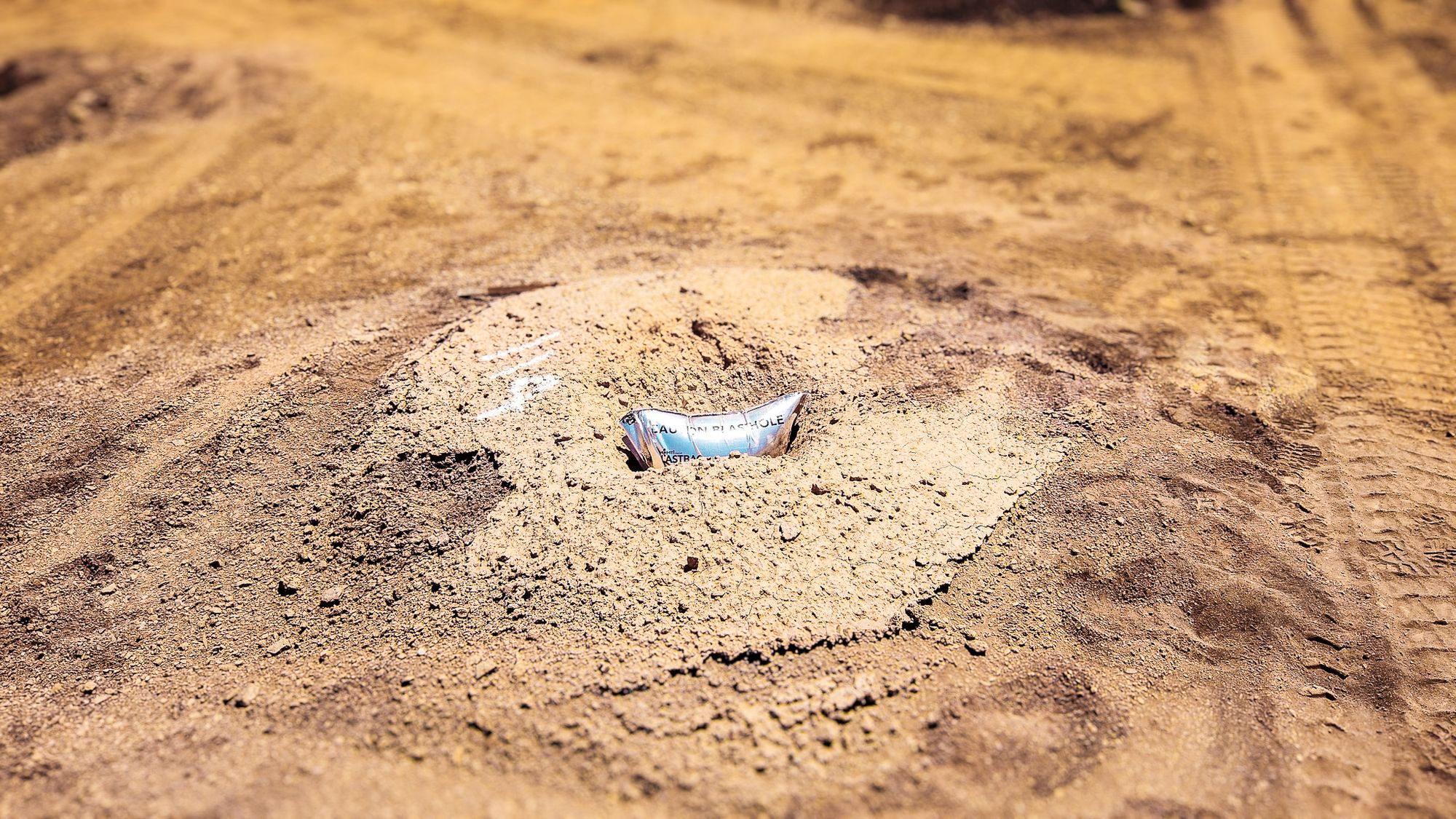
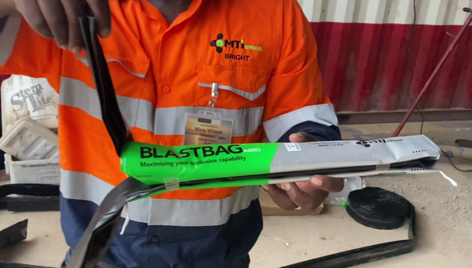
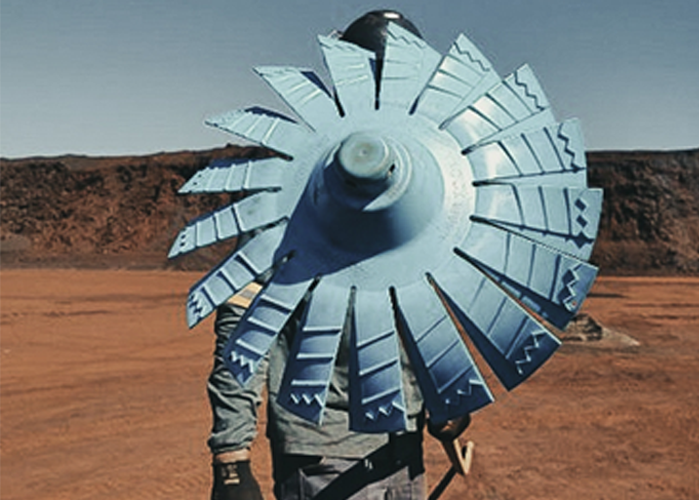
Working alongside Enaex’s EMTS team, an optimised blast design (Fig. 3) was developed. This included two buffer lines with a reduced powder factor—made possible through the use of MTi’s BLASTBAGsTM to create air decks. The goal: minimise muckpile displacement while maintaining effective fragmentation.
For the trial, two different configurations would be tested across two areas;
- Zone A: Stemming + explosives + air decks.
- Zone B: Stemming + explosives (no air decks).
Blasts would be reviewed along various parameters using a mix of techniques including:
- Visual assessment to compare material movement between zones.
- Topographic survey software to map muckpile displacement and estimate spillage/dilution.
- Fragmentation analysis to assess breakage quality in both zones.
The Result
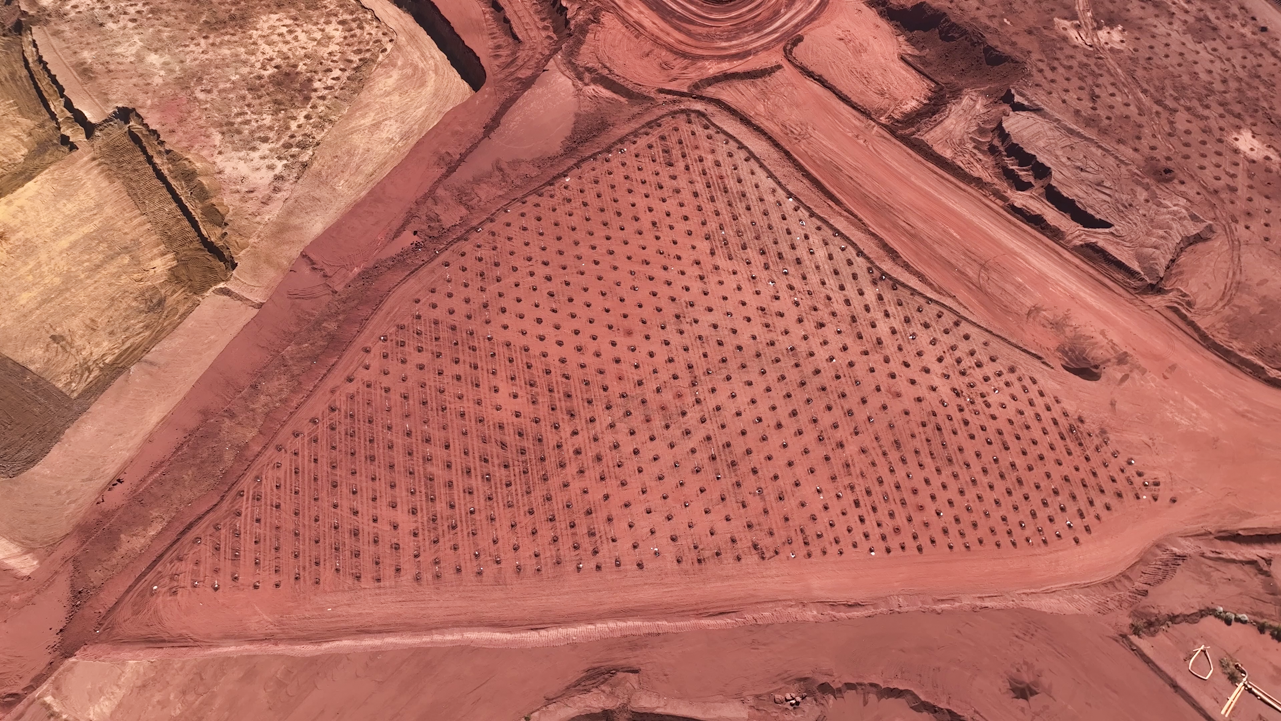
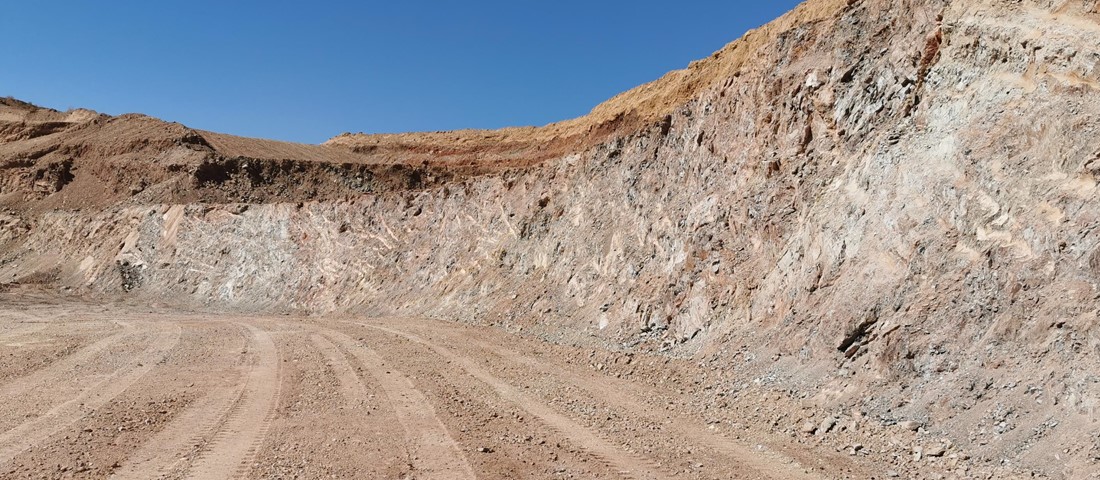
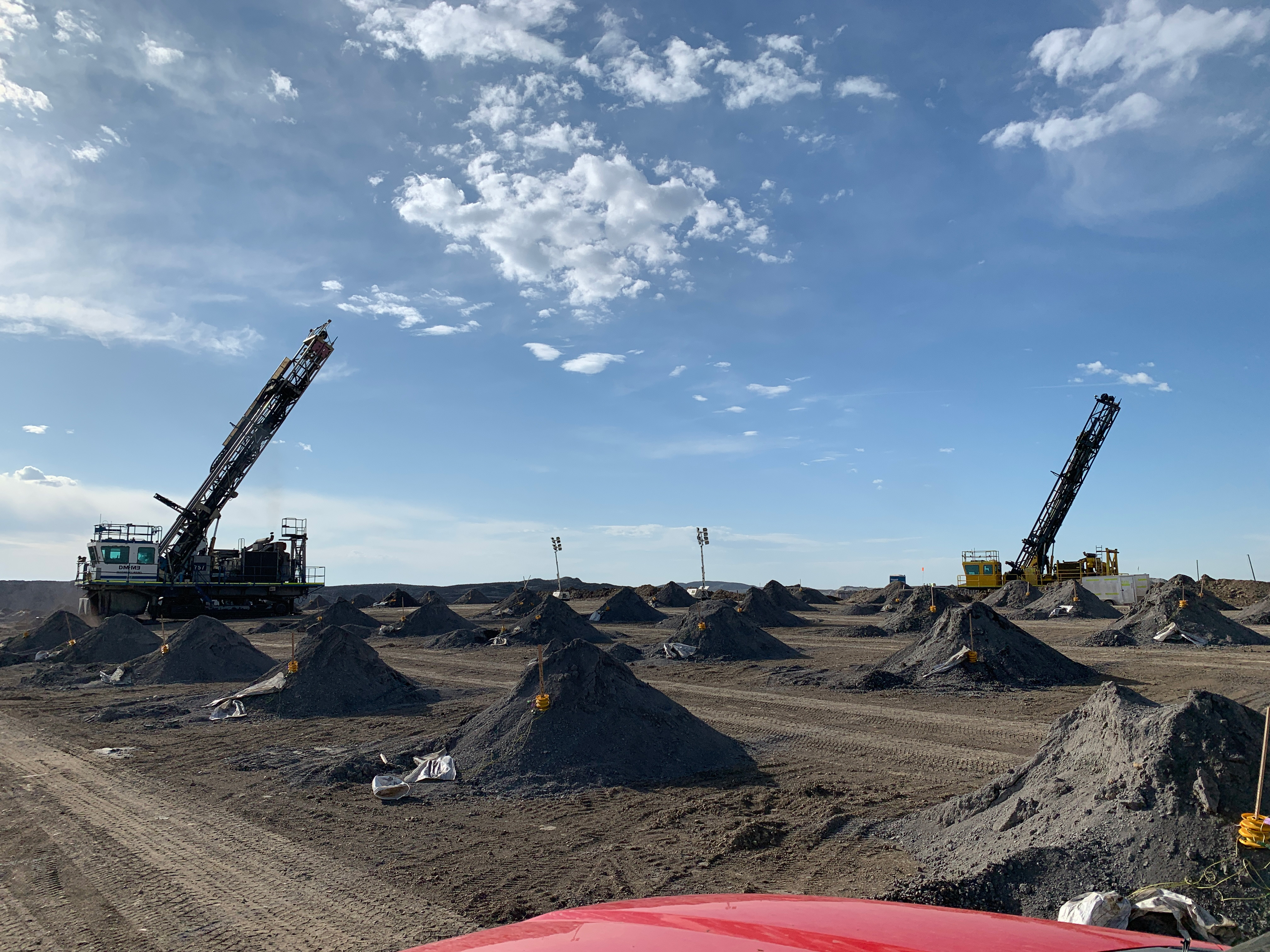
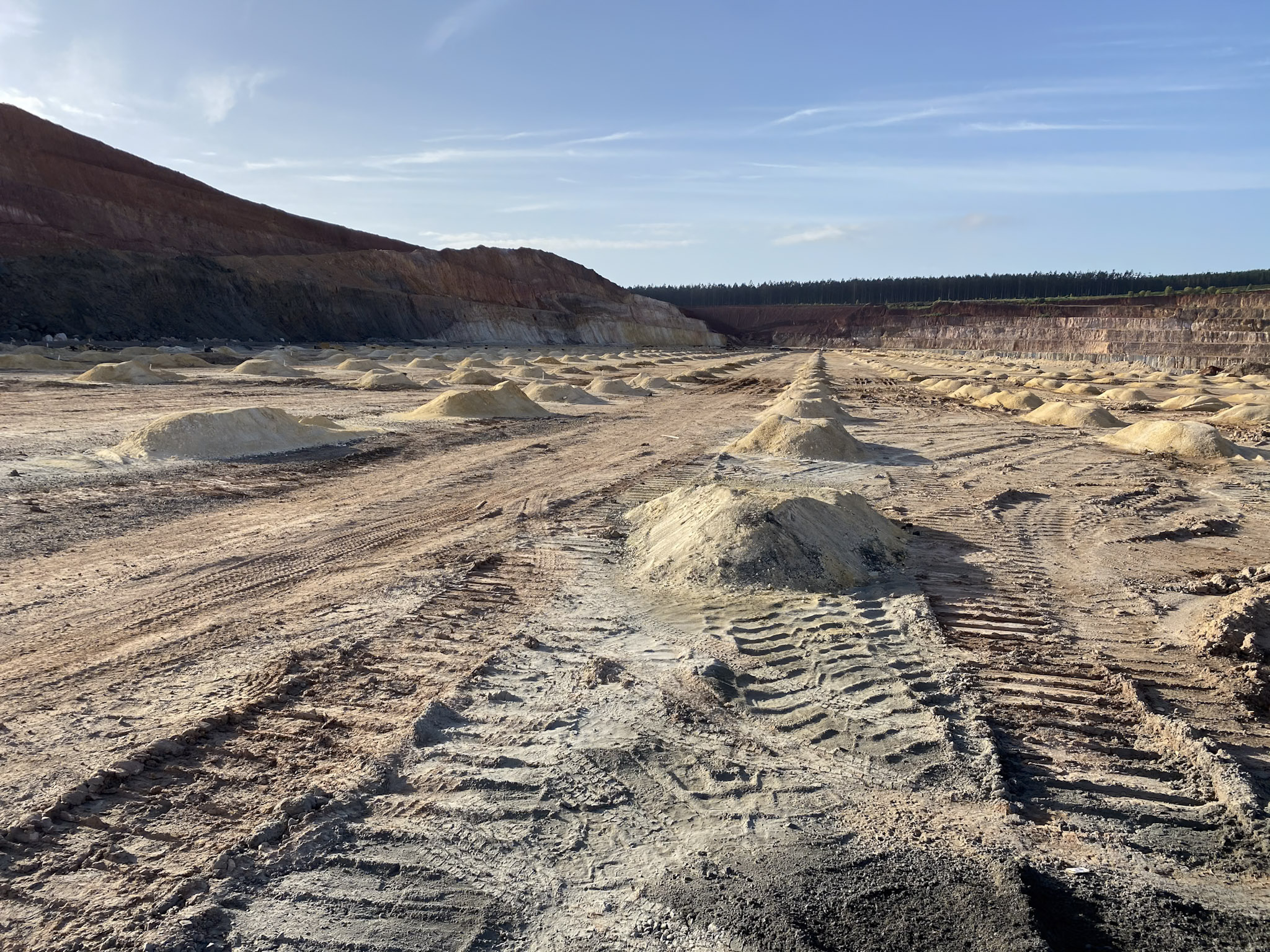
A post-blast visual inspection was conducted showing a clear decrease in movement and spillage of the muck pile outside of the blast zone (compared to historic blasts observed at the mine- See Fig 1. & 2), with very little spillage in Zone B and even less in the area directly adjacent Zone A. Neither optimised design resulted in blocked ramps - an undoubtedly better blast outcome.
Topographic surveys confirmed this visual improvement. In Zone A, only 1,297 m3 of material was lost to lower benches, compared to 2,046 m3 in Zone B—a 36.6% reduction in ore loss thanks to the inclusion of air decks. This equates to a saving of USD $42,406, achieved by avoiding costly recovery activities. What is the total tonnage in blast?
In terms of fragmentation, not only was it not negatively impacted it was observed to improve with the use of airdecks. By reducing over confinement and replacing part of the stemming with air a significant positive impact was observed. The most notable improvement was observed in the P50 value, which decreased by 13%, indicating a finer and more uniform rock size distribution. With the P80 value also decreasing by 8%.
With less explosives making a proportion of the blast column in the optimised design, there was a substantial decrease in powder factor. Decreasing from a site typical 260 PF to 235 PF- a 9.7% reduction in powder factor. Representing an opportunity to lower explosives consumption and lower overall mining costs.
This trial clearly demonstrated that air decking is a highly effective solution for managing material displacement, improving fragmentation, and reducing costs. By gaining better control of the blast, the operation achieved measurable improvements in ore recovery and dilution— offering an effective tool to controlling ore dilution in blasting.

Project Powered By:
Australia (WA)
Australia (NSW)
Australia (QLD)
United States
South Africa
Site links
- Home
- products
- Site Services
- Case Studies
- Contact Us
- Inflatable Plugs
- Technology
- Blasthole liners
- In-hole accessories
- Bench accessories
- Delineation
- Inflation Equipment
- Measuring
- products
- Site Services
- Case Studies
- Blastbags
- Blastscout
- Blastshield
- Spiders