






_trans_2500x2500.png)














.jpg)

.jpg)







Reducing Dilution
Background
With a mining history spanning nearly 500 years, Mexico boasts a rich and diverse geology that includes zinc, copper, and fluorite deposits, though it remains predominantly focused on the extraction of gold and silver. Its strong production of the latter has earned Mexico the title of the world’s top silver producer.
Backed by this long-standing heritage, many of the country’s mining houses are highly experienced, with operators well-versed in overcoming complex operational challenges.
The Challenge
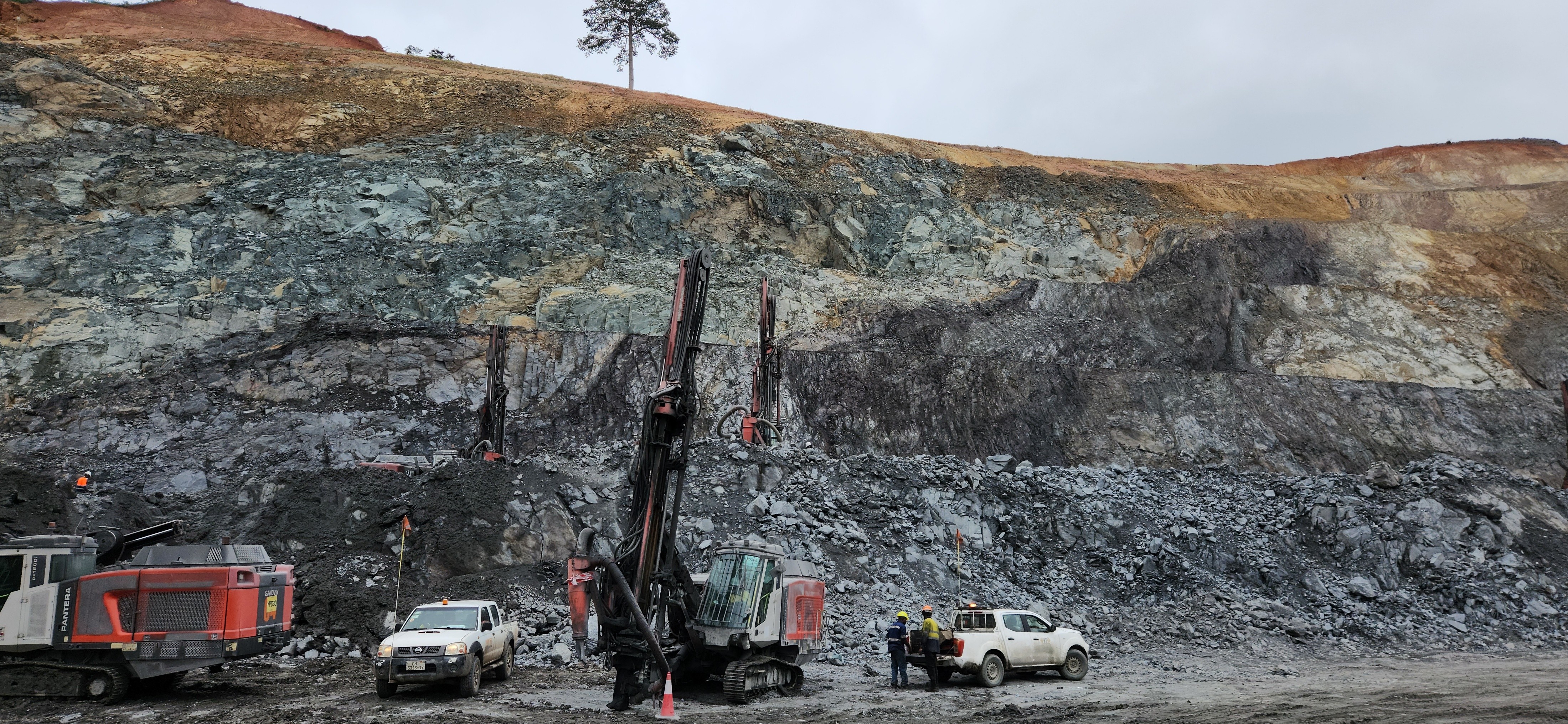
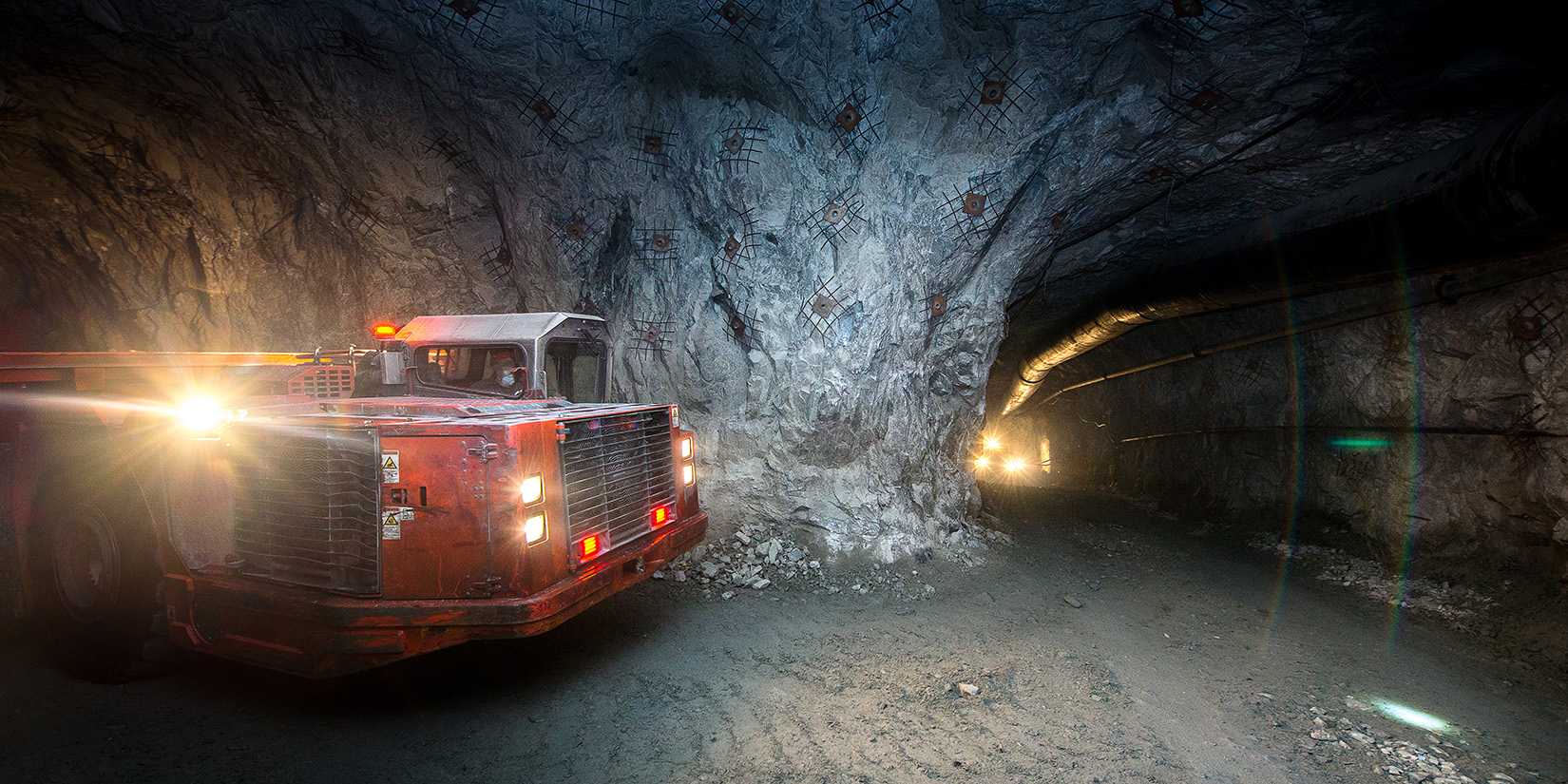
At one underground mine, persistent stoping damage in several areas caused by blasting had become a growing concern. The operator observed increased overbreak and increased dilution, despite multiple attempts to manage the issue by adjusting timing, burden, and spacing. These conventional methods, trailed over time, provided little improvement. Elevating the level of concern were the impacts this was having to operational performance, cost and ore recovery.
Seeking a practical, low-capex solution that could control blast energy without compromising advancement, the site turned to Enaex’s EMTS team for support.
The Solution
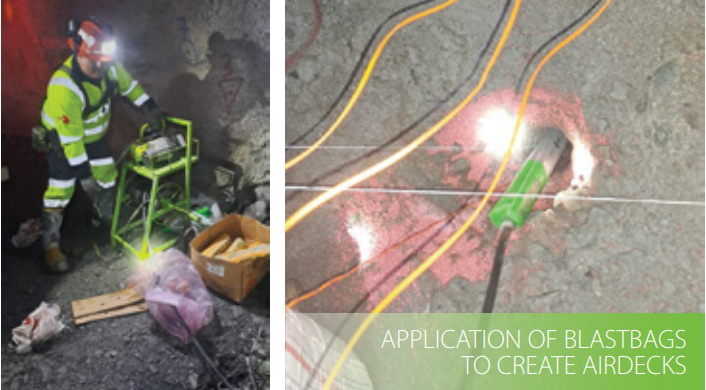
Working alongside the EMTS team, it was determined that the stope damage could be substantially mitigated through the introduction of airdecking in the blast design to low the powder factor without compromising other blasting outputs.
By incorporating airdecks, explosive energy could be reduced and more evenly distributed throughout the column, taking advantage of reduced energy wastage when airdecks are deployed. This in turn could potentially minimised near-field damage and addressed several ongoing issues —elevated dilution rates (19%) and the associated increase in downstream processing costs.
To test this hypothesis, a structured trial was initiated with the following performance targets:
PPV reduction: ≥ 30% (compared to baseline)
Dilution reduction: ≤ 5%
Lower explosive cost per round, while maintaining advance rate and diggability
Two column configurations were used in the trial:
Baseline: Full column of stemming and explosives
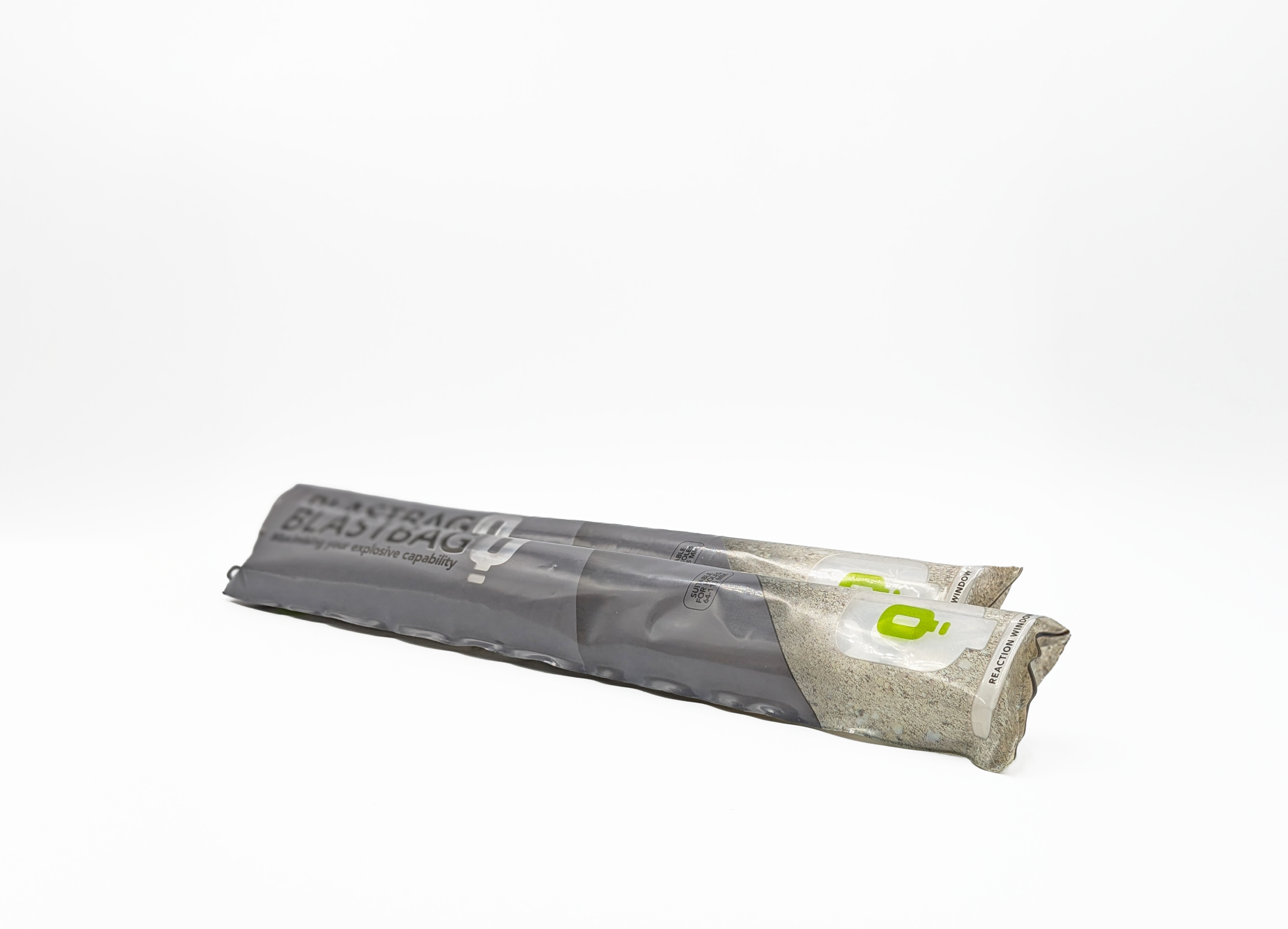
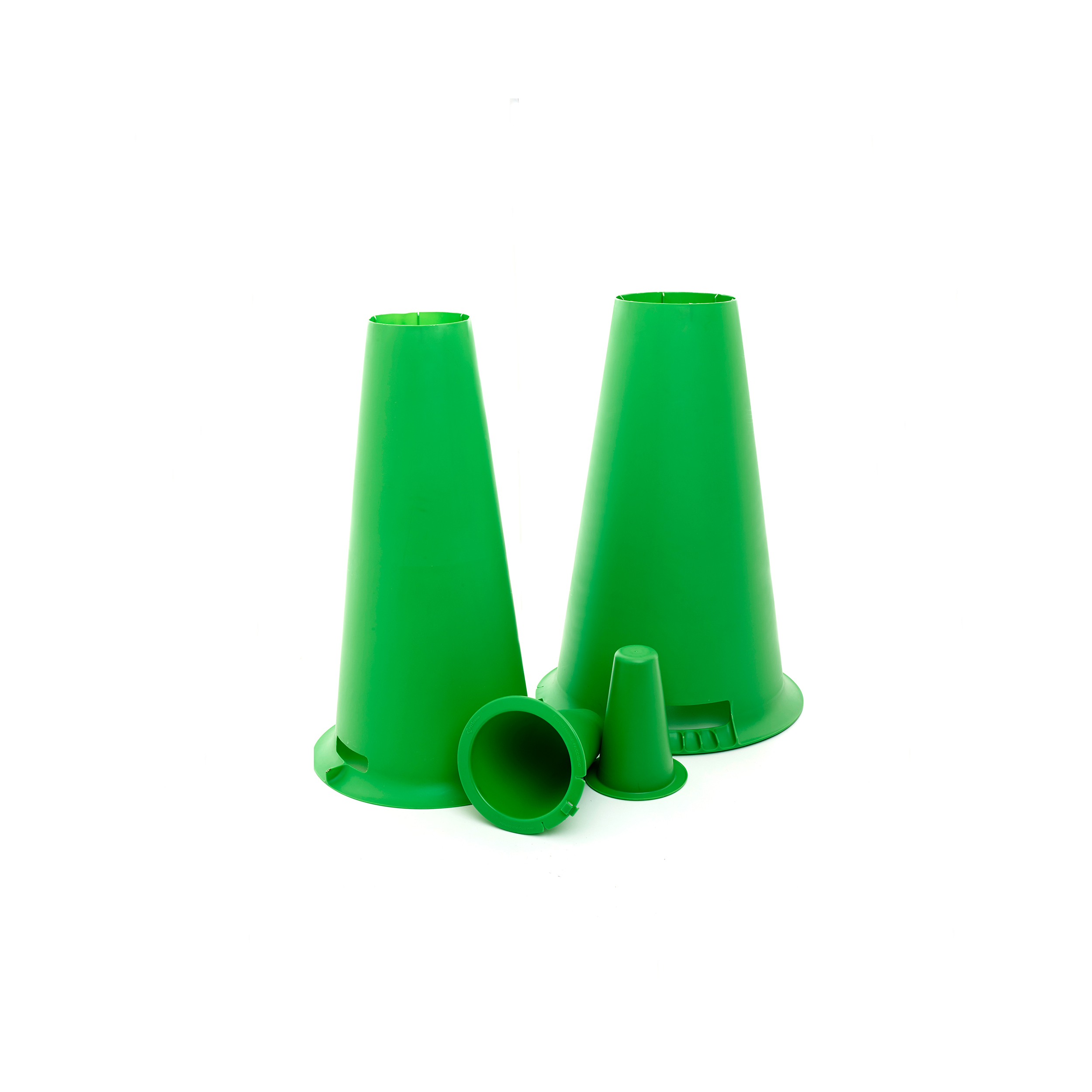
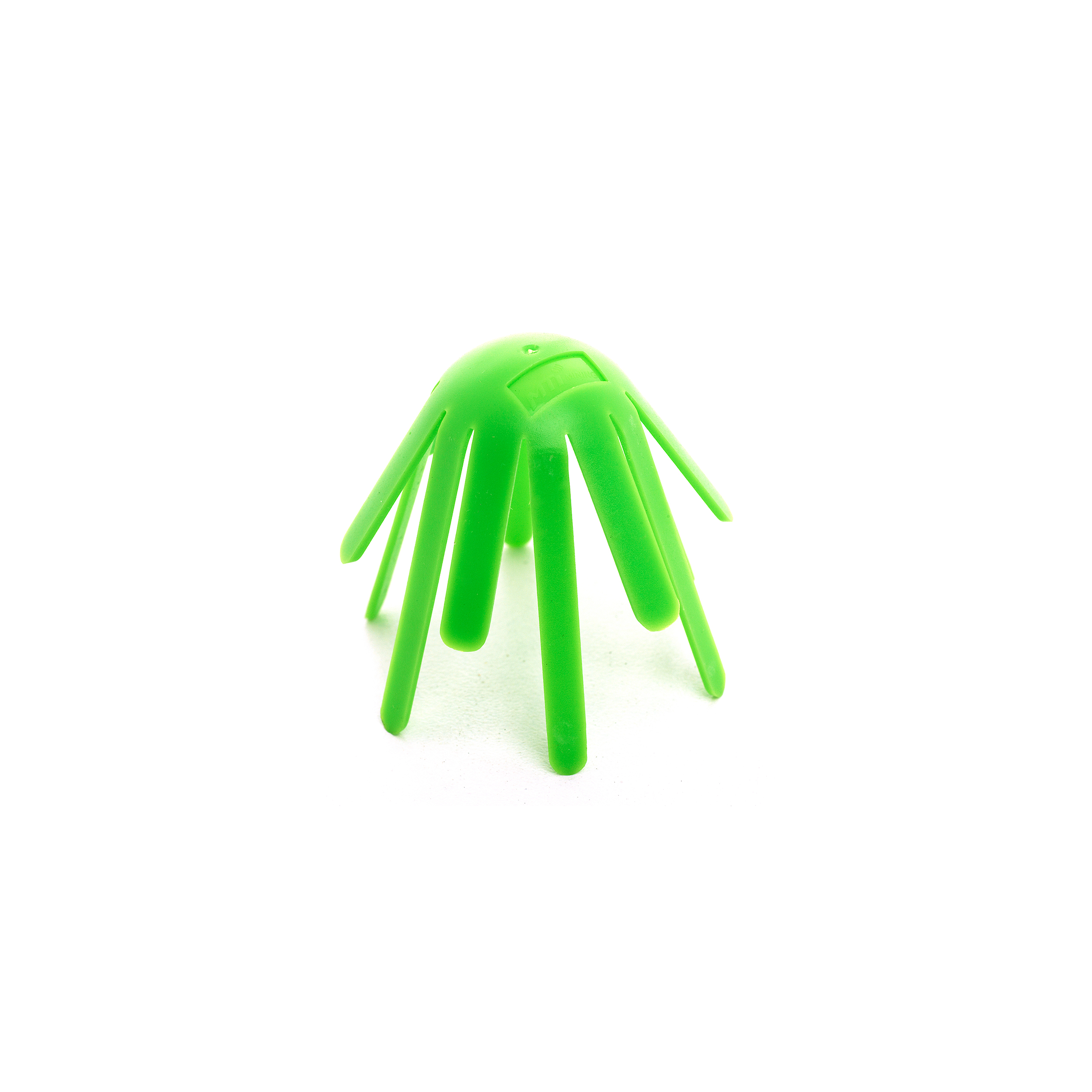
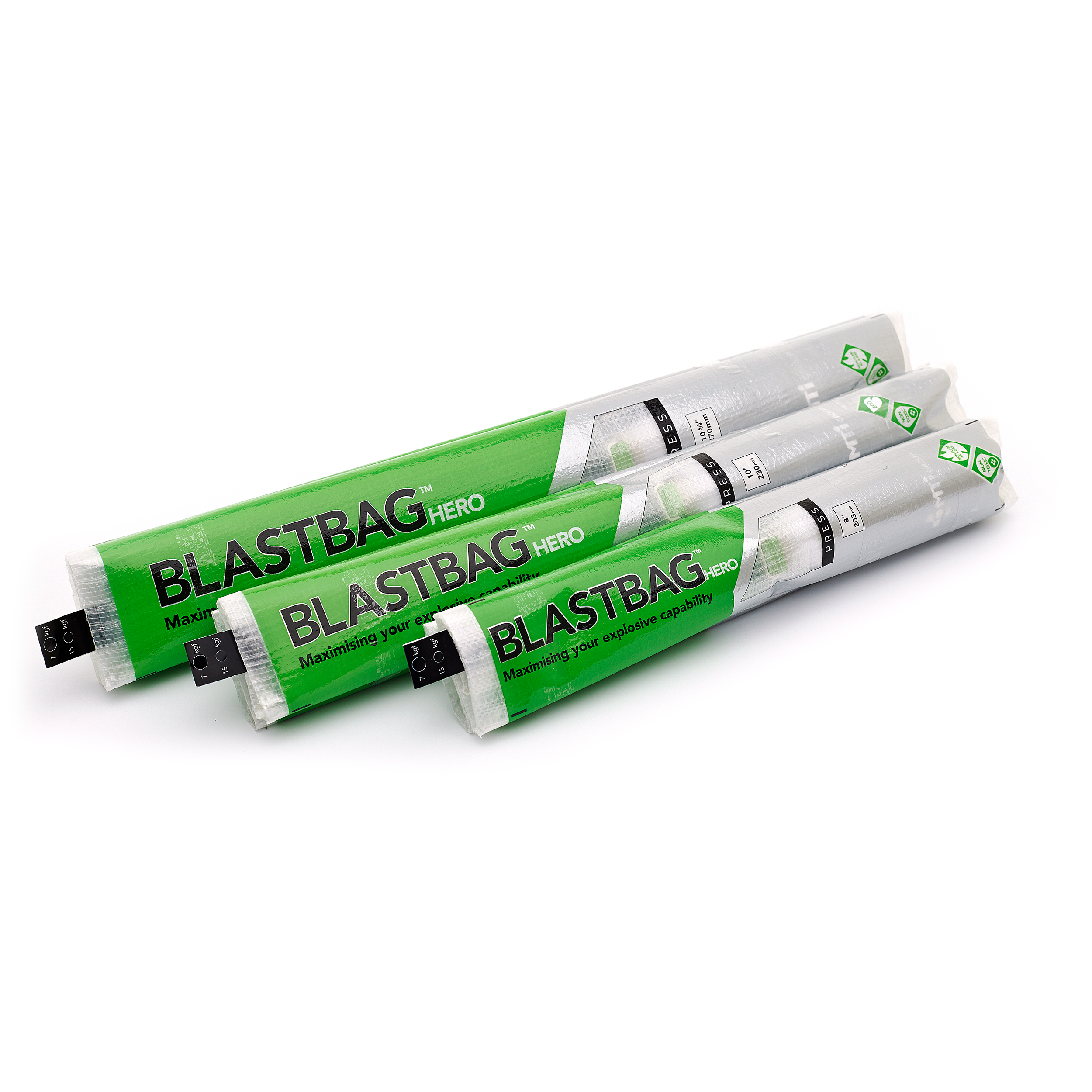
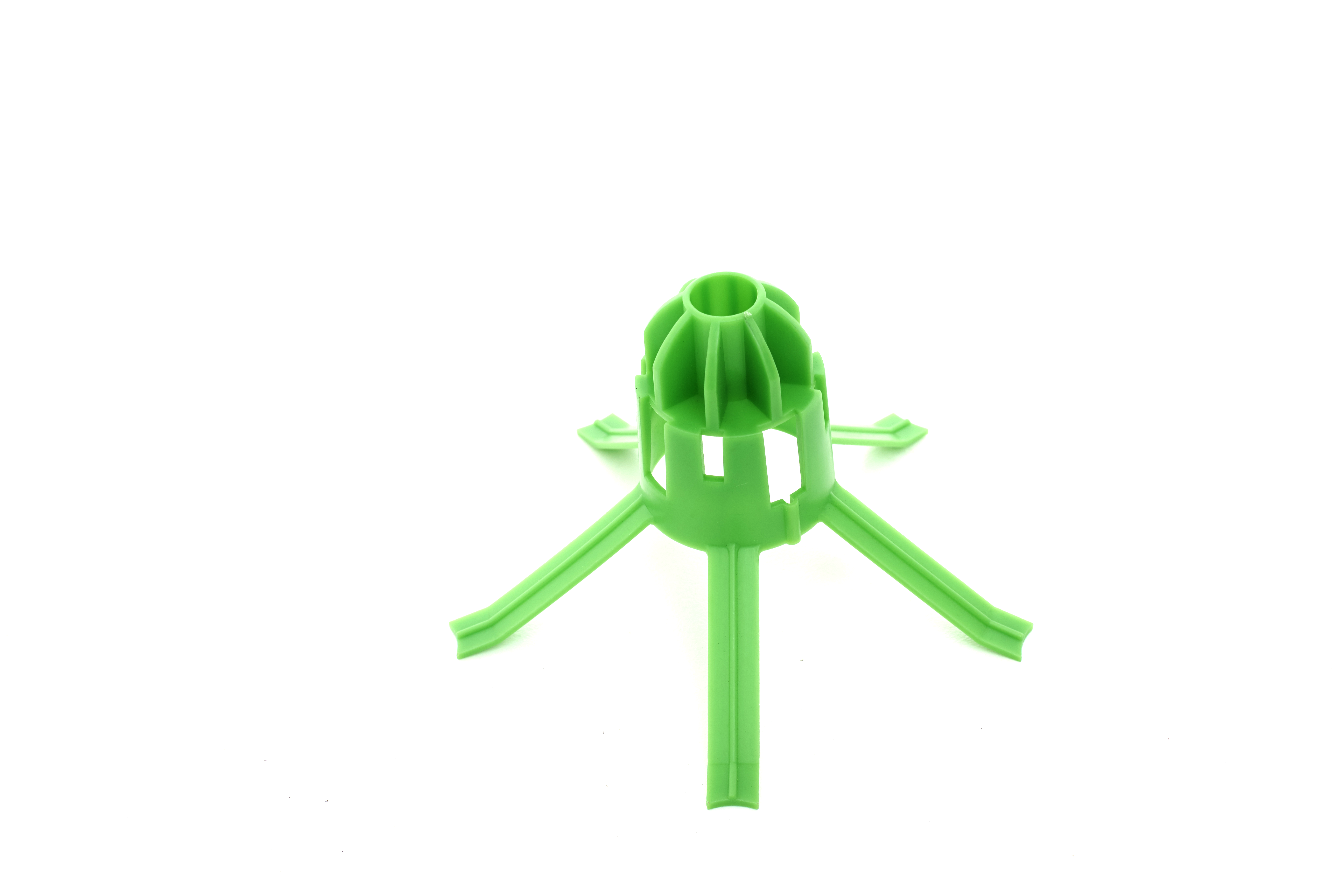
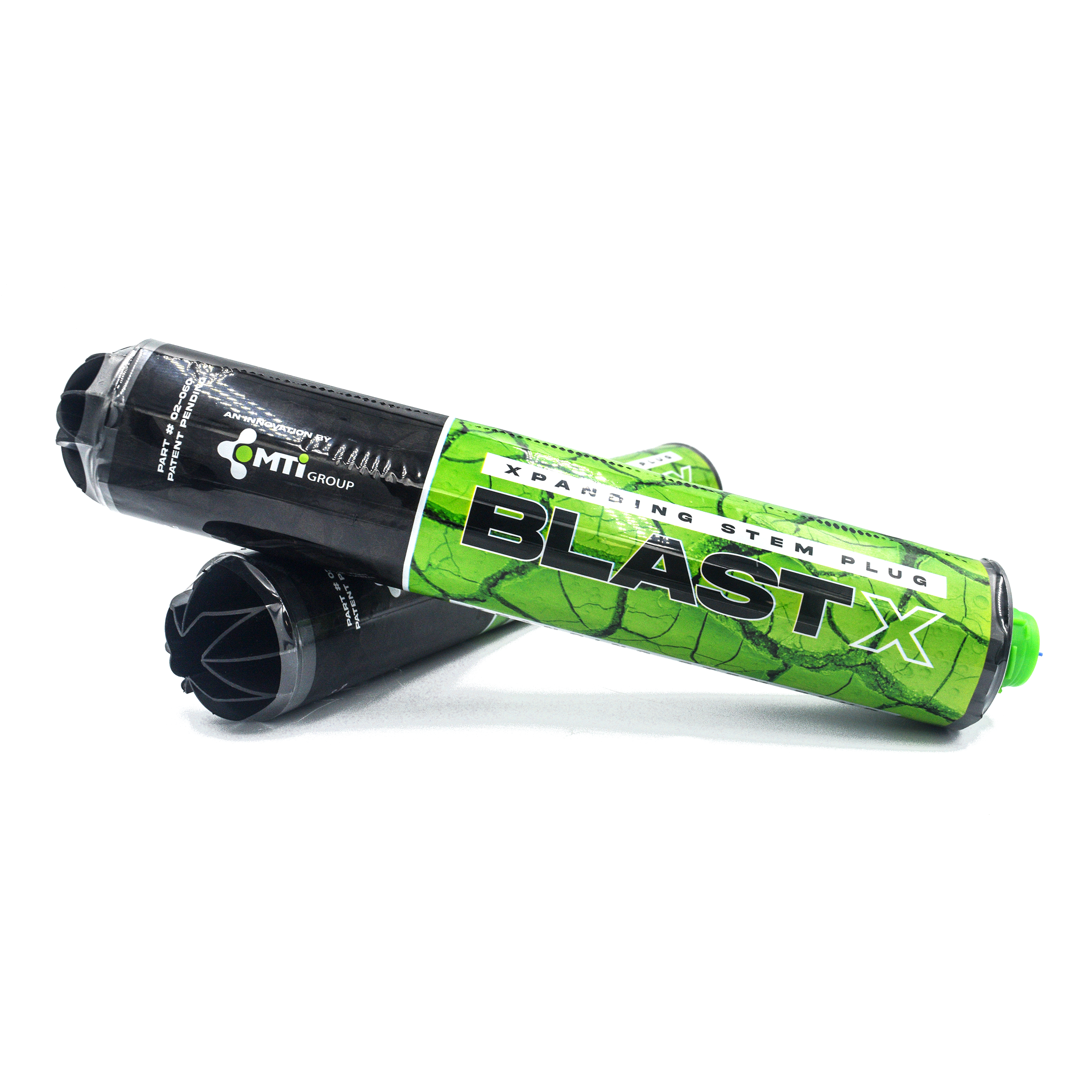
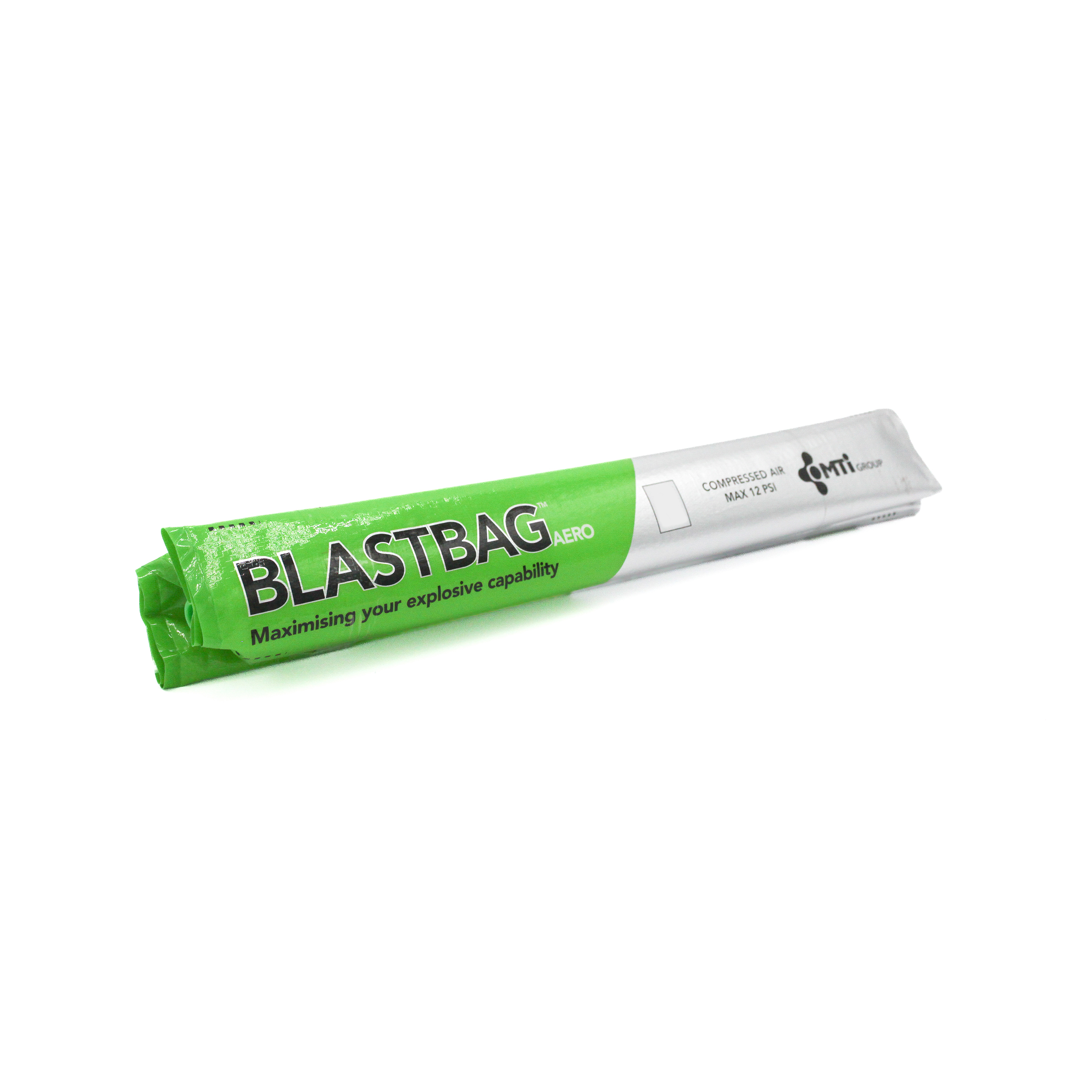
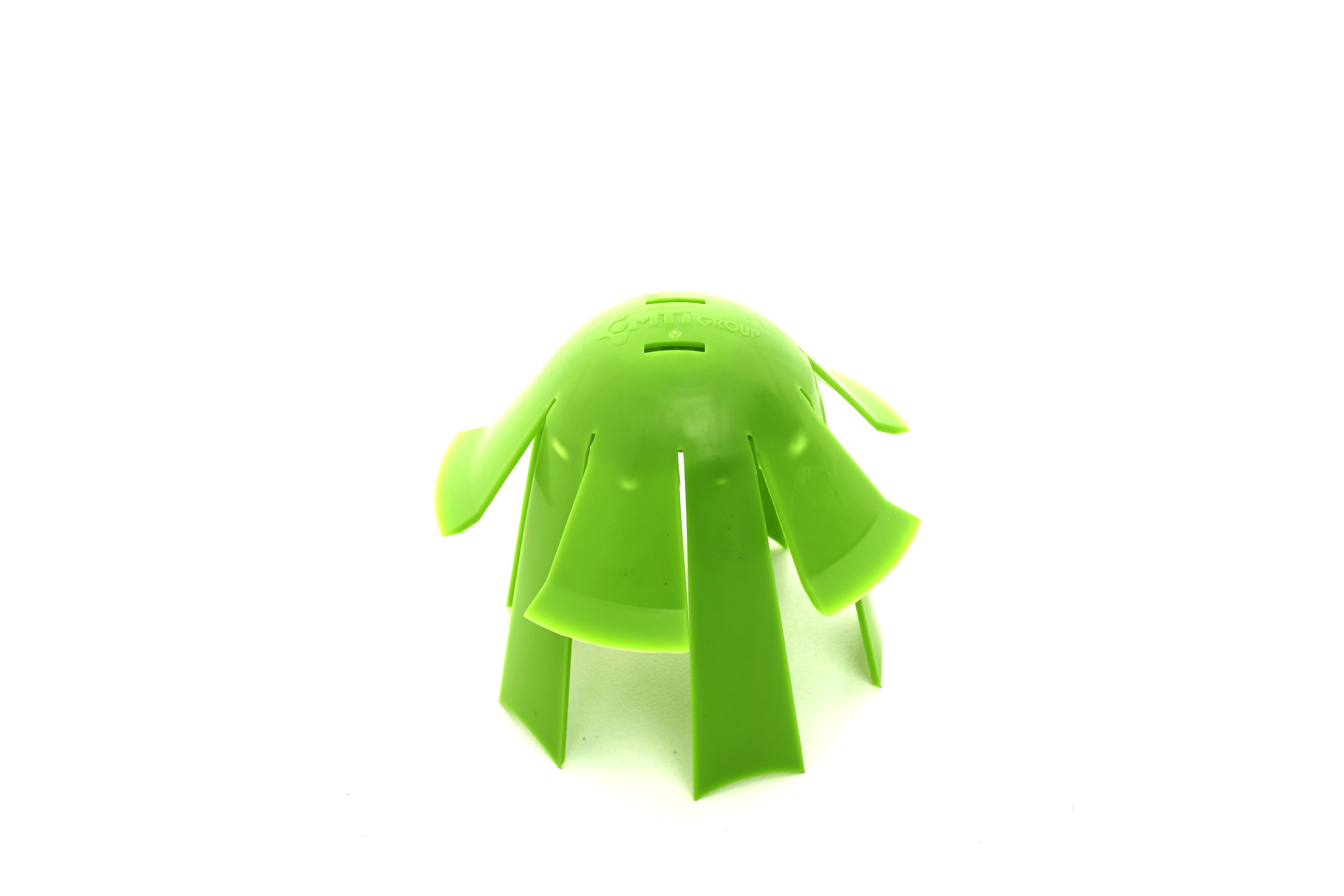
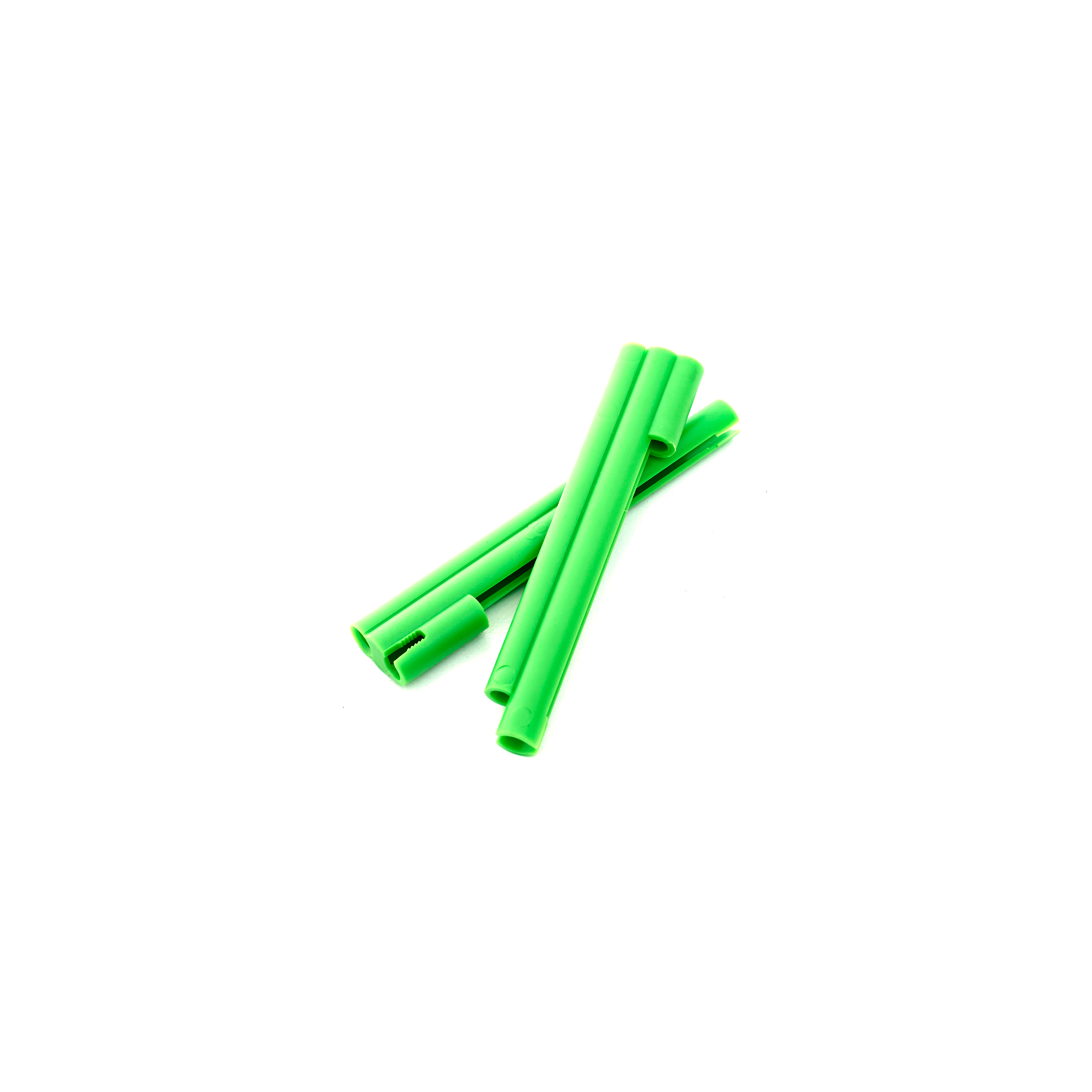
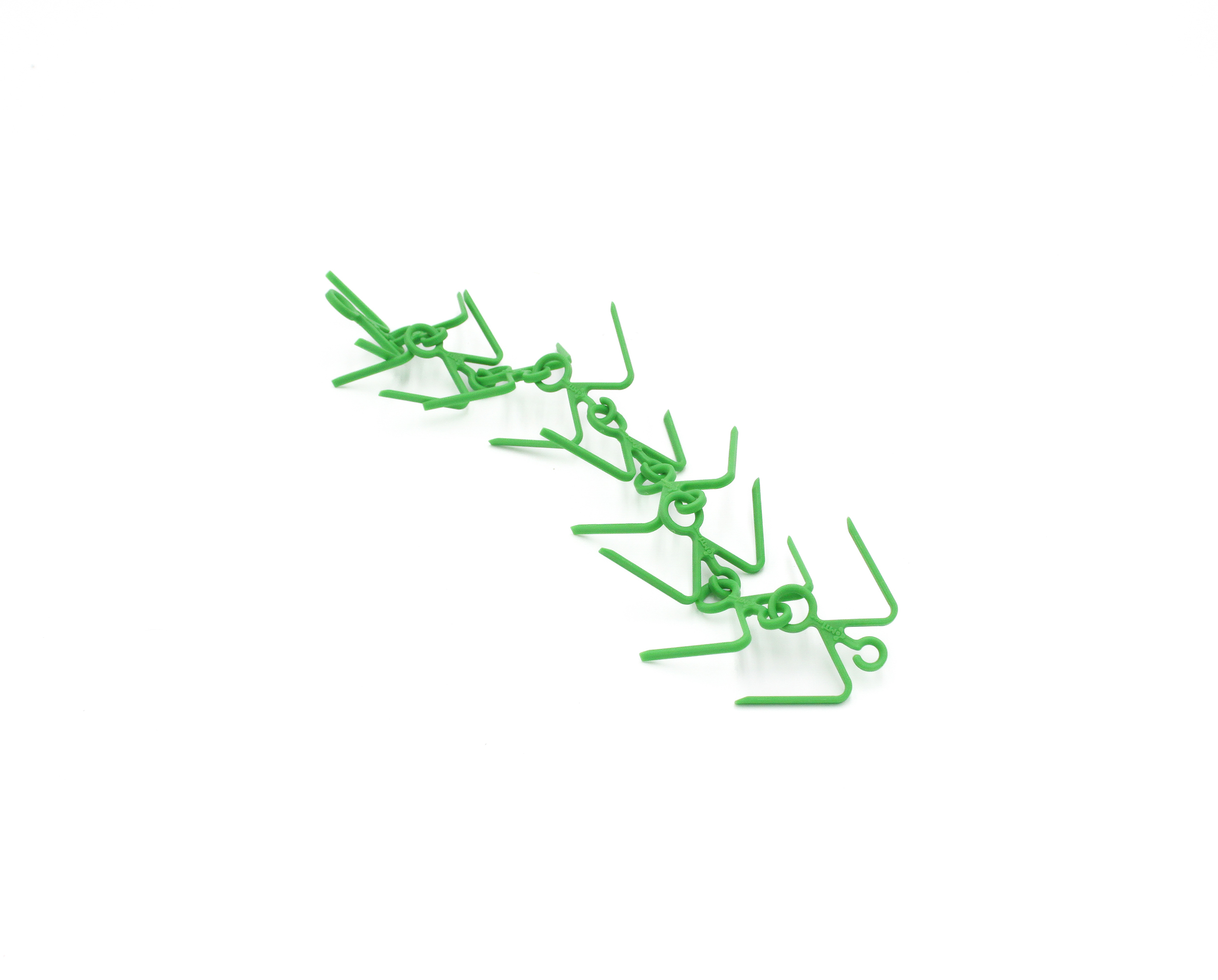
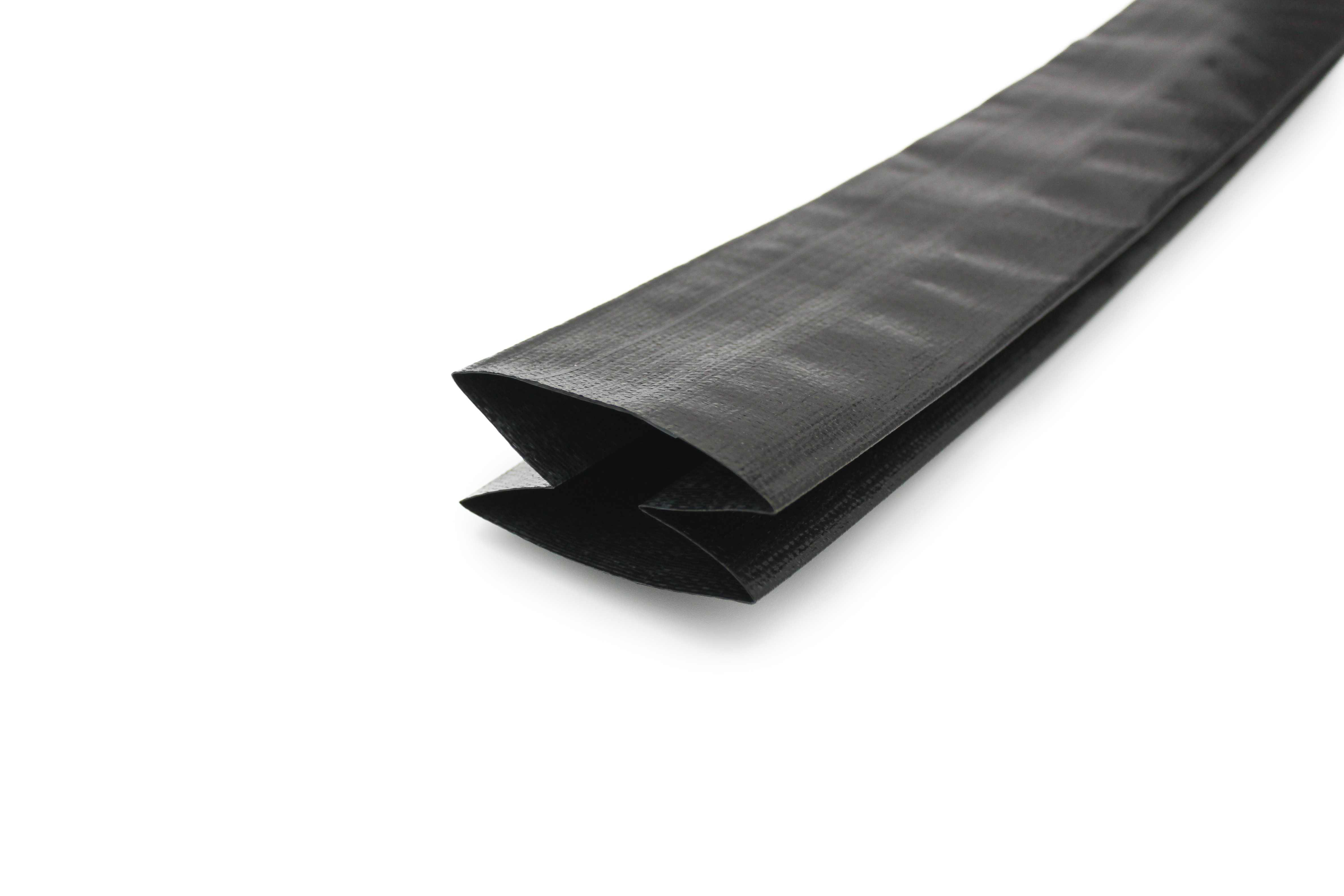
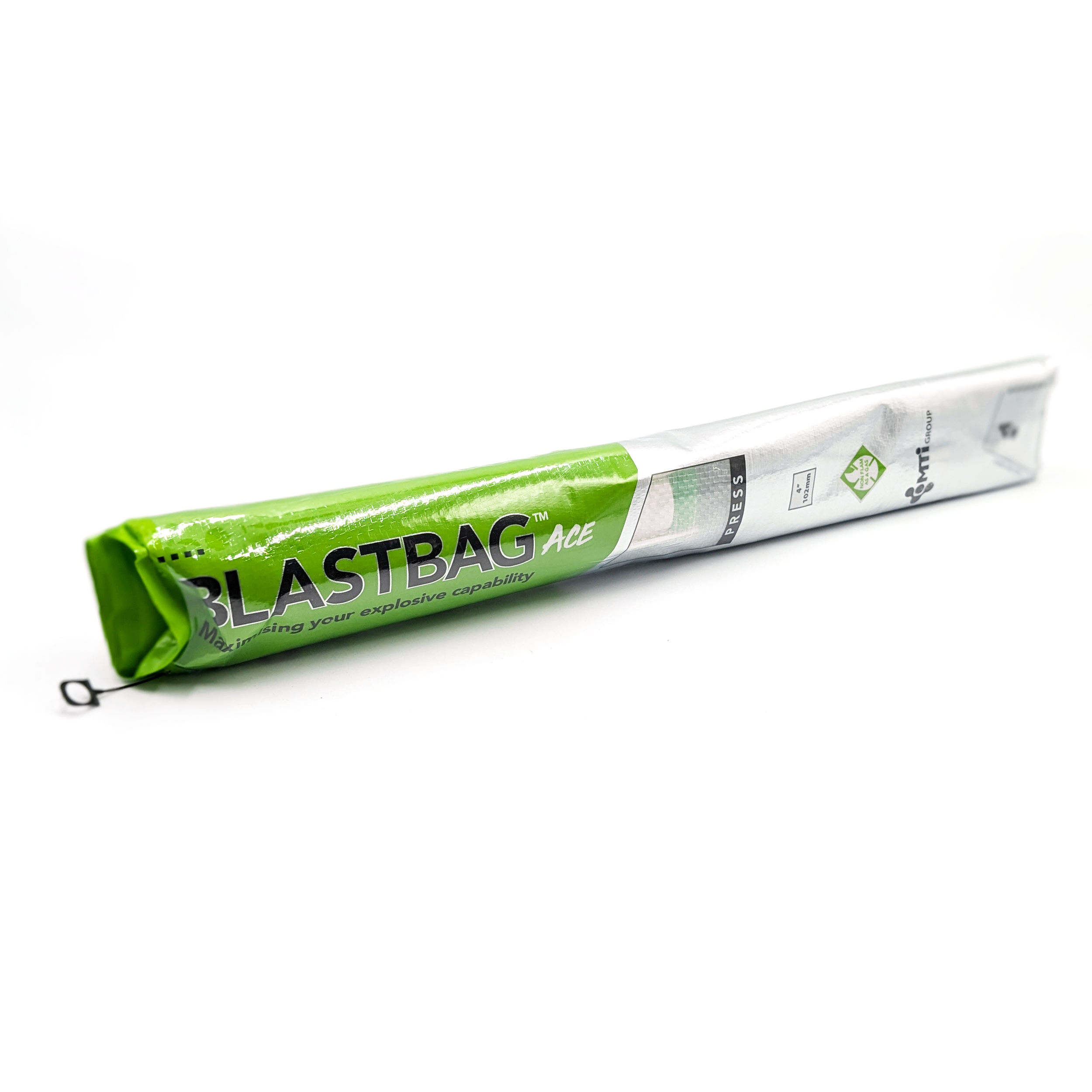
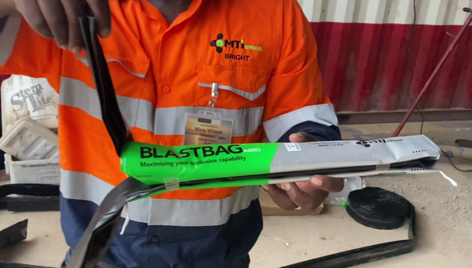
Trial: Airdecked configuration supported by BLASTBAGSTM
To validate the trial, PPV (mm/s) readings were recorded at fixed monitoring stations. Blast geometry, loading sheets, and overbreak mapping were reviewed, and production performance was tracked throughout.
The Result
The three-month trial covered 47 blasts, delivering significant improvements across all key metrics:
Vibration (PPV): Reduced by 70% compared to baseline — far exceeding the success criterion. The introduction of airdecks reduced coupled energy and peak pressure rise rate, improving confinement and minimising collar blowout, which effectively lowered PPV transmission.
Dilution: Decreased from 19% to 5%, also surpassing expectations. Improved damage control and reduced overbreak led to less waste ingress and cleaner ore recovery.
Cost per hole: Declined by 15.3% (US$72 per hole) due to reduced explosive use per round. Additionally, less wall damage meant lower rework costs and improved operational efficiency.
Importantly, these gains were achieved without any negative impact on advance rates or overall productivity.
This trial demonstrates how well-designed airdecked charges can effectively address blast-induced damage in underground mines while reducing costs. Simple to implement and operationally sustainable, airdecking now stands out as a viable standard for headings and stopes where PPV and dilution exceed target thresholds.
The operator has since extended its use of airdecking in its stopes and continues to benefit from its impressive gains.


Project Powered By:
Australia (WA)
Australia (NSW)
Australia (QLD)
United States
South Africa
Site links
- Home
- products
- Site Services
- Case Studies
- Contact Us
- Inflatable Plugs
- Technology
- Blasthole liners
- In-hole accessories
- Bench accessories
- Delineation
- Inflation Equipment
- Measuring
- products
- Site Services
- Case Studies
- Blastbags
- Blastscout
- Blastshield
- Spiders